12 Times It’s Okay to Use Your Emergency Fund (and When You Shouldn’t)
12 Times It's Okay to Use Your Emergency Fund (and When You Shouldn't)
You worked hard to build emergency savings. Now comes the difficult question: when is it actually okay to spend that money? These rules help you use the fund confidently without turning it into another spending account.
It is generally okay to use your emergency fund for an unplanned, necessary and time-sensitive financial shock—such as unexpected income loss, an urgent medical bill, an essential car breakdown or a major home repair. The CFPB says emergency funds are specifically for unplanned expenses and financial emergencies, including car repairs, home repairs, medical bills and loss of income. However, routine bills, holidays, planned purchases, vacations and predictable maintenance should normally come from your budget or a sinking fund.
Before You Withdraw: Use the MoneyOnliners 3-Part Test
An emergency fund should not be so restricted that you are afraid to use it. At the same time, it should not become a convenient account for ordinary spending. Therefore, ask three questions before making a withdrawal.
| Question | What It Tells You |
|---|---|
| Was this expense or income loss unplanned? | Emergency savings are primarily designed for financial shocks you did not reasonably expect. |
| Is the expense necessary? | Essential health, safety, housing, income and transportation needs deserve priority over wants. |
| Is it urgent or costly to delay? | A problem that cannot reasonably wait is more likely to justify emergency-fund use. |
If all three answers are yes, the expense is much more likely to fit the purpose of the fund. CFPB guidance also recommends setting your own guidelines for what constitutes an emergency and staying consistent. Importantly, it says you should not be afraid to use the money when you genuinely need it.
12 Times It's Okay to Use Your Emergency Fund
You Unexpectedly Lose Your Job
Loss of income is one of the clearest emergency-fund situations. Your paycheck may stop immediately, while rent or mortgage payments, food, utilities, insurance and other essentials continue.
Use the fund as a temporary bridge rather than maintaining your previous lifestyle. Reduce discretionary spending quickly, determine which bills are essential and pursue replacement income or benefits for which you qualify.
Why it qualifies: the income loss was unplanned, essential bills remain necessary and those obligations cannot simply be ignored.
Your Hours or Income Suddenly Drop
You do not need to lose 100% of your income before an emergency fund becomes useful. A sudden reduction in working hours, freelance contracts, commissions or business income can create a serious cash-flow gap.
First, adjust spending to the new income level. Then use emergency savings for the essential shortfall while you work to restore income. This is particularly relevant for households with variable earnings.
You Face an Unexpected Necessary Medical Bill
An accident, illness, urgent prescription, test or treatment can create costs that were impossible to predict precisely. The CFPB specifically lists medical bills as a common emergency-fund use.
Where appropriate, check insurance coverage and verify the bill. Still, necessary healthcare should not be delayed merely because you dislike seeing your savings balance decrease.
Your Essential Vehicle Suddenly Breaks Down
If you rely on your vehicle to earn income, reach medical care or handle essential family responsibilities, an unexpected mechanical failure may qualify. A failed starter, alternator or other sudden major problem can disrupt both transportation and income.
However, routine oil changes, registration and visibly worn tires are more predictable. Those expenses are better handled through a car-maintenance sinking fund.
Your Home Needs an Urgent, Unexpected Repair
A burst pipe, dangerous electrical fault, serious roof leak or failed essential system can require immediate attention. FDIC guidance identifies major unexpected home repairs as a reason for emergency savings.
Before paying the full amount yourself, check homeowners or renters insurance, warranties and landlord responsibilities where applicable. Then use savings for legitimate uncovered emergency costs.
An Essential Appliance Fails Without Warning
A refrigerator that suddenly stops cooling can threaten food safety. In some households, failure of another appliance may also create an immediate essential need.
Emergency status does not justify buying the most expensive replacement. Compare repair with replacement and choose a practical solution that restores the essential function.

You Need Urgent Dental Treatment
A broken tooth, infection, severe pain or dental injury can create an immediate cost that was not in the monthly budget. If insurance or other coverage leaves an unexpected balance, emergency savings may be appropriate.
Routine cleanings and known procedures are different. When you know treatment is coming months ahead, build the expected cost into your budget or healthcare sinking fund.
You Must Travel Because of a Serious Family Emergency
Urgent travel after a death, serious illness or comparable family crisis can arise with little warning. Necessary transportation and basic accommodation may reasonably qualify under your personal emergency-fund rules.
Nevertheless, compare fares and practical options. A genuine emergency does not require luxury travel or unnecessary upgrades.
A Disaster Creates Immediate Essential Expenses
A fire, flood, storm or another disaster may suddenly require temporary lodging, food, transportation or essential supplies. FDIC guidance explains that emergency savings can cover immediate disaster expenses and fill gaps even when insurance is expected to cover much of the loss.
Document expenses carefully when insurance or disaster assistance may reimburse eligible costs later.
Essential Work Equipment Suddenly Fails
For someone who earns income through a computer or phone, unexpected equipment failure can directly threaten the ability to work. When no employer replacement, backup device or reasonable temporary alternative exists, repair or basic replacement may qualify.
Keep the solution proportional to the emergency. A $700 functional laptop may solve the problem even if the $2,500 model is more attractive.
You Face an Unexpected Insurance Deductible After a Real Emergency
Insurance may cover most of a serious accident, home loss or medical event while leaving you responsible for a deductible. When the underlying event is genuinely unexpected and necessary, using emergency savings for that gap can make sense.
As your financial position improves, consider building a separate deductible reserve because the amount itself is often known from your policy.
You Need Essential Living Expenses During a Genuine Financial Crisis
Normally, rent, groceries and utilities belong in your monthly budget. However, the context changes after an unexpected job loss, serious illness or comparable income disruption.
During that period, emergency savings can appropriately cover basic housing, food, utilities, insurance, essential transportation and other necessities. That is one reason larger emergency funds are often measured against months of living expenses.
When You Shouldn't Use Your Emergency Fund
Protecting the fund requires saying no to expenses that may feel urgent but are predictable, optional or safely delayable.
For a Vacation
A leisure trip is a savings goal, not a financial emergency. Save gradually in a vacation fund and travel when the cost fits your finances.
For Christmas, Birthdays or Regular Gifts
These events occur predictably. Set an annual spending target, divide it by the months remaining and create a sinking fund.
For Routine Car Maintenance
Oil changes, servicing, registration and other normal ownership costs are expected. Save for them separately so the emergency fund remains available for genuine breakdowns.
For a Sale or “Deal You Can't Miss”
A limited-time promotion creates commercial urgency, not a financial emergency. If the item is worth owning, save for it outside your emergency reserve.
For a Lifestyle Upgrade
Replacing a working phone, computer, car or television with a better version is generally a want. Create a replacement or upgrade fund instead.
For Predictable Annual Bills
Insurance premiums, school costs, property-related bills and other known periodic expenses should be included in your broader spending plan. CFPB budgeting guidance specifically recommends looking back over several months so less-frequent expenses are not forgotten.
To Cover Chronic Overspending Every Month
If you repeatedly withdraw emergency money while your income remains normal, the problem is likely structural. Review the budget, reduce expenses, increase income where possible or adjust obligations rather than treating a recurring deficit as a new emergency each month.
For Investing or Speculation
Emergency savings has a short-term protective job. Money you may need suddenly should not be risked simply because an investment appears attractive.
The same expense can change categories depending on circumstances. Groceries during a normal month are ordinary spending. Groceries after an unexpected job loss may legitimately become part of emergency-fund spending.
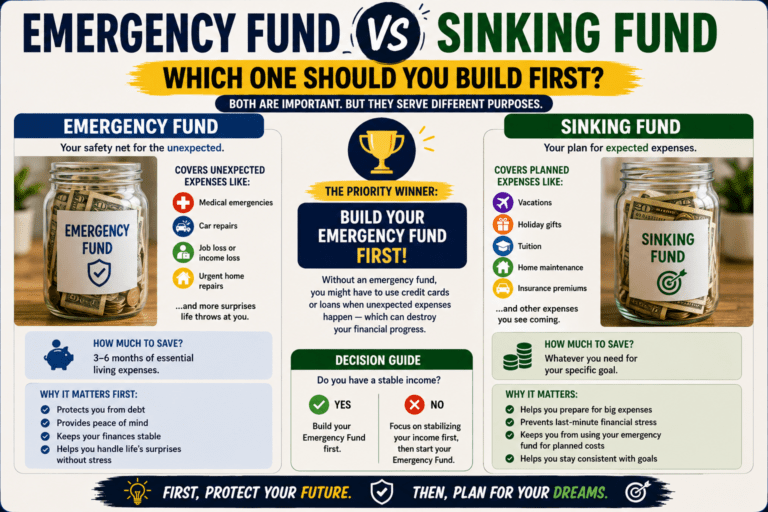
Emergency Fund or Sinking Fund? Use This Quick Guide
| Expense | Emergency Fund? | Better Plan When Predictable |
|---|---|---|
| Unexpected job loss | Yes | Emergency fund |
| Sudden essential car breakdown | Often yes | Car fund for routine maintenance |
| Annual car registration | Usually no | Car sinking fund |
| Urgent unexpected medical bill | Often yes | Health fund for known costs |
| Routine medical checkup | Usually no | Budget/health sinking fund |
| Sudden serious home repair | Often yes | Home fund for foreseeable upkeep |
| Annual insurance premium | No | Insurance sinking fund |
| Emergency family travel | May be | Use judgment based on circumstances |
| Vacation | No | Vacation sinking fund |
| Holiday gifts | No | Holiday sinking fund |
FDIC guidance separates savings for anticipated future expenses from emergency savings for difficult periods such as job loss, major car repairs or unexpected medical expenses. A strong financial plan eventually prepares for both.
Four Real-Life Style Emergency-Fund Decisions
These hypothetical case studies show why context matters more than the name of the expense.
A Car Repair Threatens a Parent's Income
A parent wakes up to a vehicle that will not start. A mechanic identifies an unexpected failure, and public transportation cannot reliably get her to an early work shift.
The repair is unplanned, necessary for earning income and urgent. She uses part of her emergency fund, chooses a reasonable repair and begins replenishing the account on her next payday.
Decision: appropriate emergency-fund use.
A “Great Deal” on a New Television
A retailer cuts the price of a television for one weekend. The buyer's existing television works perfectly, but the sale feels too good to miss.
The purchase is optional and safely delayable. The deadline comes from the retailer rather than a genuine financial need.
Decision: keep the emergency fund intact.
A Freelancer Loses a Major Contract
A freelancer unexpectedly loses a client responsible for a large share of monthly income. She immediately cuts nonessential spending but still faces a temporary gap in rent, groceries and utilities.
She uses emergency savings for necessities while seeking replacement work. Once income recovers, rebuilding the fund becomes a priority.
Decision: appropriate emergency-fund use.
An Annual Insurance Premium Arrives
A household receives its annual insurance bill on the same schedule as last year. They forgot to save for it and consider taking the money from their emergency account.
The bill is important, but it was predictable. They pay it using available cash flow this time and immediately create a monthly insurance sinking fund for next year.
Decision: normally not an emergency; improve planning.

What to Do Immediately After Using Your Emergency Fund
Using emergency savings for the right reason means the fund worked. The next job is restoring your protection.
1. Do Not Treat a Legitimate Withdrawal as Failure
The CFPB explicitly advises consumers not to be afraid to use emergency savings when they need it. The purpose of the money is to help you absorb financial shocks without automatically turning to debt.
2. Calculate the New Balance
Write down exactly how much remains. Knowing the number prevents vague plans and gives you a concrete rebuilding target.
3. Restart Automatic Contributions
If you paused transfers during the crisis, restart them when cash flow stabilizes. Both CFPB and FDIC guidance highlight automatic transfers as a useful way to build savings consistently.
4. Temporarily Slow Lower-Priority Goals
You may choose to reduce discretionary saving for travel, upgrades or other flexible goals while restoring basic emergency protection. Do not automatically abandon every long-term priority; instead, make a deliberate temporary adjustment.
5. Ask Whether the Expense Will Happen Again
If the “emergency” revealed a predictable future cost, create a sinking fund. A vehicle repair may show that an aging car needs a larger maintenance reserve. Likewise, a failed appliance may prompt a household-replacement fund.
What If Your Emergency Fund Isn't Enough?
A genuine emergency can cost more than the amount you have saved. In that situation, focus on limiting financial damage rather than feeling that your savings plan failed.
Verify the Bill or Repair Cost
Get written estimates when possible. For repairs, compare qualified providers if the situation allows enough time. For medical bills, review insurance explanations and billing details where appropriate.
Check Insurance and Other Coverage
Home, renters, auto, health or other insurance may cover part of the loss. Warranties, employer benefits or other programs can also reduce your out-of-pocket cost depending on the situation.
Use the Savings You Built
If the expense qualifies, use the available emergency money. Even a partial fund can reduce how much you need to borrow.
Protect Housing, Food and Other Essentials
Do not empty every dollar for one repair without considering the bills due next week. Prioritize essential needs across the entire crisis.
Rebuild in Stages
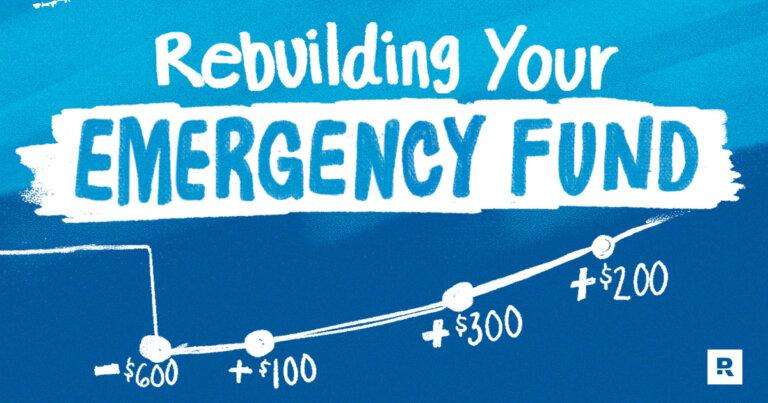
Afterward, work back toward your previous milestone. If your balance fell from $1,000 to $350, the next target might be $500, then $750 and finally $1,000 before moving toward a larger reserve.
How Much Should Be in Your Emergency Fund Before You Use It?
There is no minimum balance you must reach before the money becomes “usable.” If you have $300 and face a genuine $250 emergency, the fund can still perform its purpose.
Start With Whatever You Can Build
The CFPB says the amount needed depends on your situation and emphasizes that even a small amount can provide some financial security. Therefore, do not postpone starting because a multi-month target feels unreachable.
Move From Dollar Milestones to Essential Expenses
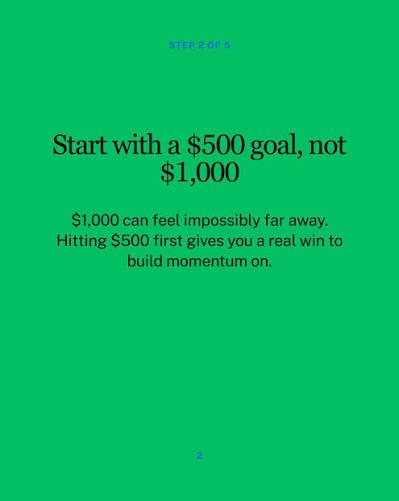
Starter targets such as $500 or $1,000 can provide motivation. Later, calculate essential monthly expenses so the fund can eventually protect you through a longer income disruption.
Use Multi-Month Targets as Longer-Term Benchmarks
Recent FDIC consumer guidance says a general recommendation is three to six months of expenses, while another FDIC resource notes that financial experts generally recommend at least six months of living expenses. Your appropriate target depends on income stability, household size, expenses, insurance and other risks.
A Simple Emergency-Fund Withdrawal Checklist
Before using the money, check:
- I did not reasonably plan for this expense or income loss.
- The cost is necessary rather than merely desirable.
- Delaying it could harm health, safety, housing, essential transportation or income.
- I have checked relevant insurance, warranties or other coverage.
- I am choosing a reasonable solution rather than using the crisis to justify an upgrade.
- This expense does not belong in an existing sinking fund.
- I understand how much emergency savings will remain afterward.
- I have a plan to rebuild the fund when the crisis passes.
You do not need every situation to fit perfectly into a checklist. However, using consistent rules makes it harder for ordinary wants to quietly consume money intended for genuine financial shocks.
Incoming Link Opportunities
Recommended External Resources
Consumer Financial Protection Bureau — Emergency Fund Guide
The CFPB explains what emergency savings are, common situations in which the money can be used and why consumers should establish consistent rules for withdrawals.
An Essential Guide to Building an Emergency Fund — CFPB
FDIC — Saving for the Unexpected and Your Future
The FDIC discusses emergency savings for income loss and major unexpected repairs, along with automatic saving strategies.
Saving for the Unexpected and Your Future — FDIC
FDIC — Starting Small Can Lead to Big Savings
This FDIC resource separates anticipated future expenses from emergency savings intended for difficult periods such as job loss, major repairs and unexpected medical costs.
Starting Small Can Lead to Big Savings — FDIC
FDIC — Preparing Your Finances for an Unanticipated Disaster
The FDIC explains how emergency savings can provide money for immediate expenses and help fill gaps during a disaster.
Preparing Your Finances for an Unanticipated Disaster — FDIC
CFPB and FDIC resources are U.S.-based. The basic emergency-savings principles can be useful more broadly, but banking protections, insurance systems, taxes and consumer rules differ by country.
Frequently Asked Questions
When is it okay to use your emergency fund?
Use it for genuine financial shocks.
The expense should generally be unplanned and necessary.
Urgency also matters.
Examples include sudden income loss and certain urgent repairs or medical costs.
Create personal rules so your decisions stay consistent.
Is it bad to use your emergency fund?
No, not when the situation genuinely qualifies.
The fund exists to absorb financial shocks.
Using it can prevent greater reliance on loans or credit cards.
After the crisis, calculate what remains.
Then begin rebuilding the reserve.
Can I use my emergency fund if I lose my job?
Yes.
Unexpected loss of income is a core emergency-fund use.
Prioritize essential living expenses.
Reduce discretionary spending while income is disrupted.
Replenish the fund once your finances stabilize.
Can I use emergency savings for rent?
Normal rent belongs in your regular budget.
However, rent can become an appropriate emergency-fund expense during unexpected income loss.
The same distinction applies to groceries and utilities.
Context determines whether an ordinary bill becomes part of a financial emergency.
Focus on necessities during the disruption.
Should I use my emergency fund for car repairs?
A sudden essential breakdown may qualify.
Routine maintenance normally does not.
Ask whether the problem was reasonably predictable.
Create a vehicle sinking fund for recurring costs.
That keeps emergency savings available for genuine surprises.
Can I use an emergency fund for medical bills?
An unexpected necessary medical bill can qualify.
The CFPB specifically identifies medical bills as a common emergency-fund use.
Check insurance and billing details where appropriate.
Known routine healthcare costs should be planned when possible.
Do not delay necessary care solely to preserve a savings balance.
Should I use emergency savings for a vacation?
Generally, no.
A vacation is normally optional and predictable.
Create a travel sinking fund instead.
Save before booking whenever possible.
That protects your emergency reserve for genuine financial shocks.
What should I do after using my emergency fund?
First, make sure the immediate crisis is stable.
Then calculate the remaining balance.
Restart regular savings when cash flow allows.
You may temporarily slow lower-priority goals.
Continue until your emergency reserve reaches its target again.
What if my emergency fund cannot cover the whole emergency?
Use the amount available if the expense qualifies.
Check insurance and other forms of coverage.
Verify costs and compare reasonable options where time permits.
Protect essential bills while addressing the crisis.
Even a partial emergency fund can reduce the amount you may need to borrow.
Should I replace emergency savings immediately after using them?
Rebuilding should become an important priority once the crisis ends.
However, continue meeting essential bills and required obligations.
Restart automatic contributions when possible.
Use smaller milestones if the full amount feels difficult.
Consistency matters more than rebuilding everything in one paycheck.
Research Methodology
This MoneyOnliners article uses current CFPB and FDIC consumer guidance to define the role of emergency savings and identify common examples such as unexpected car repairs, home repairs, medical bills, disasters and loss of income. The 12-situation framework, three-part withdrawal test, case studies and “when you shouldn't” classifications are MoneyOnliners editorial tools designed to translate those principles into practical decisions. Individual circumstances, insurance coverage, urgency and local financial rules can change the appropriate response.
Final Verdict: Use the Fund When the Emergency Is Real
Saving an emergency fund takes discipline, so it is understandable to hesitate before withdrawing money. Nevertheless, refusing to use the fund during a genuine financial shock defeats its purpose.
Use a simple standard: unplanned, necessary and urgent. Unexpected job loss, essential repairs, urgent medical costs and similar financial shocks can justify a withdrawal. Meanwhile, vacations, sales, routine maintenance and predictable annual bills usually belong somewhere else.
If you do need the money, choose a reasonable solution, protect your remaining essential expenses and use the fund confidently. CFPB guidance specifically encourages people not to be afraid to use emergency savings when needed and to rebuild the balance afterward.
Finally, learn from each withdrawal. A true emergency confirms why the fund matters. A predictable expense that drained the account reveals a sinking fund you may need to create. Either way, the experience can make your financial system stronger.