7 Simple Steps to Create a Budget That Actually Works
7 Simple Steps to Create a Budget That Actually Works
Build a realistic budget around your actual income, essential expenses, savings, debt and everyday life—without creating a plan that looks good on paper but fails by the middle of the month.
To learn how to create a budget, start with the money you actually receive, not your headline salary. Next, list essential and flexible expenses, include irregular costs that do not happen every month, decide how much can realistically go toward savings and debt, and make sure bill dates match your cash flow. Then track what happens during the month and adjust the next budget using real numbers. A useful budget is not the strictest budget. It is the plan you can understand, follow and improve.
Table of Contents
What Is a Budget?
A budget is a plan for how you will use your income. It gives money specific jobs before spending decisions begin to compete with each other. Those jobs can include housing, food, transport, bills, debt payments, emergency savings, financial goals and flexible spending.
Importantly, a budget is not a punishment. It is not a document designed to remove every enjoyable purchase from your life. Instead, it helps you decide what you can spend comfortably after higher-priority obligations are considered.
Consumer.gov describes a budget as something that helps show how much money you make and how you spend it. Its basic process is simple: list expenses, record income, compare the two and use the result to make a plan for the month.
Income − planned expenses − savings − debt goals = money available for remaining priorities.
Why Budgets Often Fail
Most failed budgets are not caused by a lack of intelligence. They fail because the numbers are unrealistic, important costs are missing, the plan is too complicated or the budget does not change when life changes.
For example, a family may write down $400 for groceries because that number feels responsible, even though recent receipts show that basic food spending is closer to $550. The budget then “fails” every month even though the original target was never realistic.
Another common problem is forgetting irregular expenses. Car maintenance, school costs, annual subscriptions, gifts, medical expenses and seasonal utilities may not appear every month, but they still belong in the financial plan.

What to Do Before You Create Your Budget
Gather Real Income Information
Start with recent pay information, deposits or business records. If you have a regular salary, use the money actually available after required deductions. If your income changes, review several months instead of planning from your strongest month.
Review Several Months of Spending
One month can hide important costs. Look back at bank statements, card statements, receipts or spending records. The CFPB similarly recommends reviewing several months so less-frequent expenses are not forgotten.
Separate Fixed, Variable and Irregular Costs
| Type | Examples | Why It Matters |
|---|---|---|
| Fixed | Rent, loan payment, subscriptions | Usually easier to predict |
| Variable | Food, transport, electricity, personal spending | Needs realistic ranges |
| Irregular | Repairs, school costs, annual insurance, gifts | Easy to forget unless planned separately |
Know Your Current Priorities
Your budget should reflect what matters now. One household may need to build emergency savings. Another may need to stabilize debt payments. A third may be saving for education or preparing for a move.
Without priorities, every category competes equally for limited income.

7 Simple Steps to Create a Budget That Actually Works
Calculate Your Real Monthly Income
Add the money you can reasonably use for household spending and financial goals. For employees, this usually means take-home pay. For freelancers or business owners, separate business costs and taxes where applicable before treating money as personal income.
If your income is irregular, identify a conservative baseline. You may also calculate an average to understand the pattern, but do not assume the average will arrive every month.
If your recent take-home income was $2,100, $2,450, $1,950 and $2,700, your budget might protect essential expenses around a lower sustainable figure instead of automatically planning around $2,700.
List Essential Expenses First
Write down the expenses required to keep daily life functioning. These may include housing, basic food, utilities, transport needed for work, essential medicine, childcare and required minimum payments.
Do not confuse “essential” with “unchangeable.” Some essential categories can still be optimized. For example, food is essential, but wasted groceries or frequent convenience delivery may be adjustable.
At the same time, avoid cutting essential quality merely to force the budget to balance. A plan that underfunds food, healthcare or transport needed for work is unlikely to remain sustainable.
Add Flexible Spending Honestly
Flexible spending includes entertainment, eating out, hobbies, clothing beyond immediate needs, gifts, gaming, sports, personal care and optional shopping.
Instead of setting these categories to zero, choose reasonable limits. A budget that leaves no room for ordinary enjoyment can become difficult to follow.
Consider creating one broader “personal spending” amount if tracking many tiny categories makes the budget too complicated.

Plan for Irregular Expenses Before They Arrive
Look ahead over the next three to twelve months. Do you expect school expenses, vehicle servicing, insurance renewals, clothing, family events, travel or appliance replacement?
Divide predictable costs into smaller contributions. If annual insurance costs $600, setting aside an average of $50 per month can make the eventual bill less disruptive.
Sinking funds work particularly well for these costs because they keep predictable expenses separate from emergency savings.
Give Savings and Debt a Place in the Budget
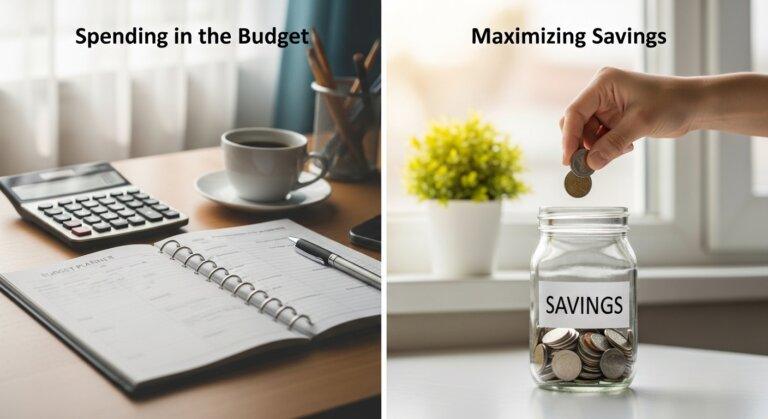
Savings and debt repayment should not be invisible leftovers. Decide what can realistically be contributed after essential expenses are protected.
If you have no emergency savings, even a small starter cushion may deserve priority because it can reduce the need to borrow for every surprise. Meanwhile, high-interest debt can become increasingly expensive, so balance savings and debt according to your risks and obligations.
The correct amount will vary. Someone with limited income may start with a very small savings contribution. Another person may be able to contribute much more.
Match the Budget to Your Cash Flow
A monthly total can look balanced while one week is impossible. Mark paydays and major bill dates on a calendar. Then check whether enough money is available before each obligation.
If bills cluster before payday, ask whether a provider offers a different due date. Another option is to reserve part of an earlier paycheck for later bills rather than treating the remaining balance as free spending money.
Cash-flow planning is especially important for freelancers, commission earners and people paid weekly or irregularly.

Track, Review and Adjust Every Month
A budget is not finished when you write it. Track enough spending to know whether the plan reflects reality. Then review what happened at month-end.
Ask three questions: Which categories matched the plan? Which categories did not? Why?
If the reason was avoidable spending, change the behavior. If the reason was an unrealistic target, change the budget. If the reason was a genuine income shortage, the solution may need to include increasing income rather than endlessly cutting expenses.
Consumer.gov recommends this same monthly feedback cycle: plan, spend, review and use what you learn for the next month.
Choose a Budgeting Method That Fits Your Life
There is no single budgeting method that automatically works for everyone. A method is useful only if it helps you make better decisions.
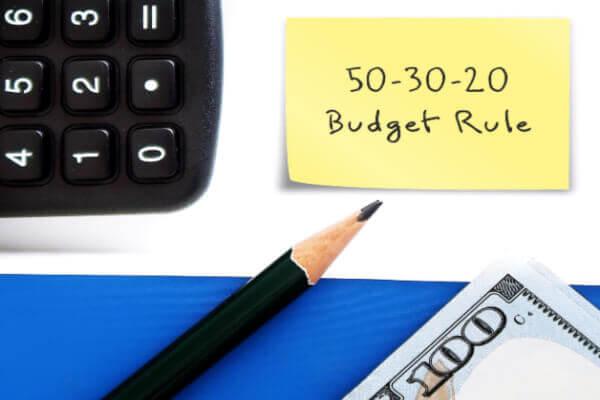
50/30/20 Budget Rule
The 50/30/20 framework divides money broadly among needs, wants and savings or debt goals. It can be a simple starting point, but housing, healthcare and childcare costs may make the percentages unrealistic in expensive areas.
Zero-Based Budgeting
Zero-based budgeting assigns every available dollar a job. This can create clarity, especially for people who want detailed control. However, the method can feel too rigid if every tiny category must be adjusted constantly.
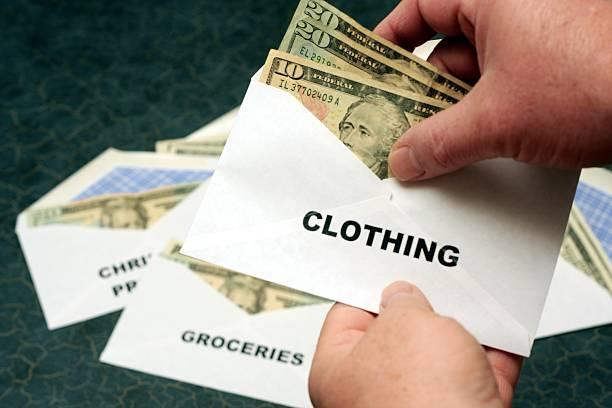
Cash Envelope Budgeting
The envelope method sets spending limits by placing cash—or digital equivalents—into separate categories. It can be useful for areas where overspending is common, such as entertainment or dining out.
Simple Spending Plan
If traditional budgeting feels restrictive, a spending plan may work better. You can protect essentials, savings and debt first, then use the remaining amount for flexible spending with fewer categories.
| Method | Good For | Watch Out For |
|---|---|---|
| 50/30/20 | Simple percentage framework | Percentages may not fit local costs |
| Zero-based | Detailed planning | Can become time-consuming |
| Cash envelope | Controlling selected spending | Less convenient for some digital payments |
| Spending plan | Flexible, simpler budgeting | Still needs clear priority rules |
How to Create a Budget on a Low or Irregular Income
When Income Is Low
If essential costs already consume most of your income, budgeting becomes a prioritization exercise. Protect core needs first. Then review recurring costs, fees and flexible spending for changes that are genuinely possible.
However, there is a limit to cost cutting. If basic expenses regularly exceed income, the plan should also consider legitimate assistance, better-paying work, more hours, skills development or another realistic income source.
When Income Changes Every Month
Irregular income requires a flexible budget. Build essential expenses around a conservative baseline, use strong months to prepare for weak ones and keep fixed lifestyle costs from rising too quickly.
You can also use minimum and stretch targets for savings and debt. During weaker months, contribute the minimum you can safely manage. During stronger months, contribute more.

How Couples and Families Can Create a Budget Together
Shared finances require both numbers and communication. Couples may combine all income, keep separate accounts, or use a hybrid system. No single structure is automatically best.
Agree on Shared Responsibilities
List housing, utilities, food, transport, childcare, school, insurance and other shared costs. Decide who is responsible for making each payment and how both people will see the overall plan.
Protect Some Personal Flexibility
A household budget does not have to control every individual purchase. Many couples find it useful to agree on shared obligations while giving each person a reasonable personal spending amount.
Discuss Major Purchases Before They Become Bills
Create a threshold for larger purchases that should be discussed first. The exact amount depends on household income and priorities.
Review the Budget Without Blame
If one category goes over budget, ask why. The objective is to improve the system rather than win an argument. A higher food bill may reflect visitors, price changes or poor meal planning. Each cause needs a different solution.
Today-to-Today Budgeting Examples and Mini Case Studies
These examples are hypothetical. They show how budgets can be adapted across different countries, jobs and lifestyles.
Transport Was Consistently Underbudgeted
An office worker writes a low transport figure each month because it feels financially responsible. However, real commuting costs are higher because of route changes and occasional expensive last-minute trips.
After tracking four weeks of transport, she updates the budget to the actual average and works on reducing only the avoidable portion.
Key lesson: A realistic budget is better than an impressive fictional one.
Strong Months Were Creating Weak Months
A freelancer earns well during several project-heavy months and increases discretionary spending. When projects slow, the same lifestyle becomes difficult to maintain.
He rebuilds the budget around a conservative baseline and directs part of strong-month income toward an income buffer.
Key lesson: Variable income should not automatically create variable lifestyle inflation.

A Strict Budget Was Creating Constant Arguments
A couple uses dozens of tiny spending categories. Every small purchase feels like breaking the plan.
They simplify the budget into essentials, savings, debt, shared flexible spending and personal spending. The total financial priorities remain protected, but the system becomes easier to live with.
Key lesson: Simpler can be stronger if it improves consistency.
Business Revenue Was Not Household Income
A shop owner initially budgets using total sales. However, inventory, rent and operating expenses must be paid before the remaining amount is available for personal use.
She separates business records from the household budget and pays herself from money left after business obligations.
Key lesson: Revenue and usable personal income are different.
Sports and School Activities Kept Breaking the Budget
A parent discovers that activity fees, equipment, clothing and school events are not truly unexpected. They repeat throughout the year.
The family creates a monthly sinking-fund contribution for school and activities.
Key lesson: Predictable irregular expenses belong in the budget.

Electronics Upgrades Were Eating the Savings Goal
A worker frequently buys phones, accessories and gaming equipment. None of the purchases creates immediate hardship, but the annual total slows an emergency-fund goal.
He adds a technology sinking fund and waits until that balance can support an upgrade.
Key lesson: Budgeting can make room for hobbies while protecting higher priorities.
How to Fix a Budget That Keeps Failing
Problem 1: Your Categories Are Too Low
Compare budgeted amounts with actual spending. If essential categories repeatedly exceed the plan for legitimate reasons, raise the target and reduce another category or address the income gap.
Problem 2: You Forgot Irregular Costs
Review the last 12 months and list expenses that appeared only once or a few times. Convert predictable costs into monthly sinking-fund contributions.
Problem 3: Your Budget Is Too Complicated
Combine categories. Instead of tracking ten kinds of entertainment, use one flexible-spending category. Complexity should provide useful information, not busywork.
Problem 4: You Never Track Spending
You do not need to record every purchase forever, but you need enough information to know whether your assumptions are accurate. Use bank statements, card transactions, receipts or an app.
Problem 5: You Treat Every Overspend as Failure
A budget is a forecast. Forecasts need revision. If fuel prices rise or a household need changes, the budget should change too.
Problem 6: Your Income Is the Real Problem
If essentials exceed reliable income after realistic cost reductions, more budgeting discipline cannot solve the entire gap. Include income growth, assistance, creditor communication and longer-term career or skills decisions in the plan.
Problem 7: You Ignore the Budget After Creating It
Review the plan weekly or monthly. A budget is valuable because it helps you make decisions while the month is happening, not only after the money is gone.
Why Learning How to Create a Budget Matters
A Budget Makes Money Visible
Learning how to create a budget helps you see the relationship between income and expenses.
First, it shows how much money is actually available.
Meanwhile, expense categories reveal where that money normally goes.
In addition, irregular costs become easier to anticipate.
Therefore, fewer financial decisions depend on guesswork.
A Budget Protects Priorities
Knowing how to create a budget gives important expenses a place before optional spending expands.
For example, housing, food and required payments can be protected first.
Likewise, emergency savings can become a planned category.
As a result, higher priorities are less likely to depend on whatever happens to remain.
Most importantly, the budget connects money with the things that matter to your household.
A Budget Helps You Adapt
A useful reason to learn how to create a budget is that financial life changes.
Income may rise or fall.
Costs can change because of inflation, relocation or family responsibilities.
Consequently, a budget should be adjusted rather than treated as a permanent contract.
Regular reviews make those changes visible earlier.
A Budget Supports Longer-Term Progress
Finally, learning how to create a budget connects everyday spending with longer-term goals.
Savings, debt repayment and planned purchases can all receive specific amounts.
Over time, repeated contributions can create measurable progress.
However, the plan still needs room for normal life and reasonable enjoyment.
Ultimately, the best budget is one that helps you use money intentionally and can survive real-world changes.
Recommended External Resources
Consumer.gov — Making a Budget
Making a Budget provides a simple beginner process for listing income and expenses and using the results to plan each month.
Consumer.gov — Budget Worksheet
Budget Worksheet gives readers a simple format for recording income and monthly expenses.
Consumer Financial Protection Bureau — Your Money, Your Goals
Your Money, Your Goals Toolkit includes tools for tracking income, spending, bills, cash flow, debt, savings and financial goals.
CFPB — Assess Your Spending
Assess Your Spending recommends reviewing several months so less-frequent expenses are not missed and the budget reflects actual spending.
CFPB — Bill Calendar
Bill Calendar explains how listing bill amounts and due dates can help households understand cash-flow timing.
FDIC — Money Smart for Adults
Money Smart for Adults provides broader education on income, spending plans, savings, banking, credit and debt.
These external resources are primarily U.S.-based. The core budgeting principles can be adapted internationally, but taxes, public benefits, banking rules, debt regulations and normal living costs differ by country. Use local official sources for country-specific decisions.
Frequently Asked Questions
What is the easiest way to create a budget?
Start with your real take-home income.
List essential expenses and required payments.
Then add realistic flexible spending and irregular costs.
Choose savings and debt contributions that fit the remaining cash flow.
Finally, track enough spending to compare the plan with reality and update the next month.
How many budget categories should I have?
There is no perfect number.
Use enough categories to make useful decisions without creating unnecessary work.
A beginner may start with housing, food, transport, utilities, debt, savings and flexible spending.
You can add categories when a particular area needs closer control.
If tracking becomes exhausting, combine categories again.
What if my expenses are higher than my income?
First, confirm the numbers using actual spending.
Protect essential needs and required obligations.
Then reduce costs that can realistically change.
If essentials still exceed reliable income, the problem is not only budgeting.
Income growth, legitimate assistance, creditor communication or qualified local help may also be needed.
Should savings be included in a budget?
Yes, when your financial situation allows it.
Including savings as a planned category can make contributions more consistent.
The amount should fit your real cash flow.
People with low or irregular income may need flexible targets.
Emergency savings and sinking funds can also be separated by purpose.
How often should I review my budget?
A deeper review once a month works well for many households.
A short weekly check can help you stay aware of transactions and bills.
Irregular-income earners may need additional reviews when significant income arrives.
Major life changes should also trigger an update.
The goal is to keep the budget current enough to support decisions.
Is the 50/30/20 rule better than zero-based budgeting?
Neither method is automatically better.
The 50/30/20 rule is simpler and uses broad percentages.
Zero-based budgeting provides more detailed control.
Your income, expenses and personality may make one easier to maintain.
You can also create a hybrid approach.
Can I budget without tracking every purchase?
Yes, especially after you understand your normal spending patterns.
However, beginners may benefit from tracking closely for several weeks.
Bank and card statements can also provide useful history.
Once the main patterns are clear, you may track only categories that need attention.
The purpose is useful information, not endless data entry.
What if I keep breaking my budget?
First, identify which categories are repeatedly over budget.
Then ask whether the targets are unrealistic or the spending behavior needs to change.
Check for irregular expenses and cash-flow timing problems.
Simplify the budget if it is too difficult to maintain.
A budget should be adjusted until it reflects real life.
Research Methodology
This guide uses a practical budgeting framework covering income, essential expenses, flexible spending, irregular expenses, savings, debt, cash flow and monthly review. Core concepts were cross-checked against Consumer.gov and Consumer Financial Protection Bureau resources on budgeting, spending assessment, bill calendars and cash-flow planning.
All examples and mini case studies are hypothetical educational illustrations. They do not describe identifiable individuals and do not promise specific financial outcomes.
Final Thoughts
Learning how to create a budget does not require a complicated spreadsheet or perfect self-control. Start with accurate income and spending information. Protect essentials, prepare for irregular costs, give savings and debt a place, and leave enough flexibility for ordinary life.
Then use the budget as a living plan. Review what actually happened and change the next month accordingly. Over time, that feedback loop can turn budgeting from a restrictive exercise into a practical system for making better financial decisions.
Continue Your Budgeting Plan
Use these updated MoneyOnliners guides to choose the budgeting approach that fits your life.
Explore the 50/30/20 Rule Try Zero-Based Budgeting Improve Your Monthly Budget