9 Ways to Rebuild Your Emergency Fund After Draining It
9 Ways to Rebuild Your Emergency Fund After Draining It
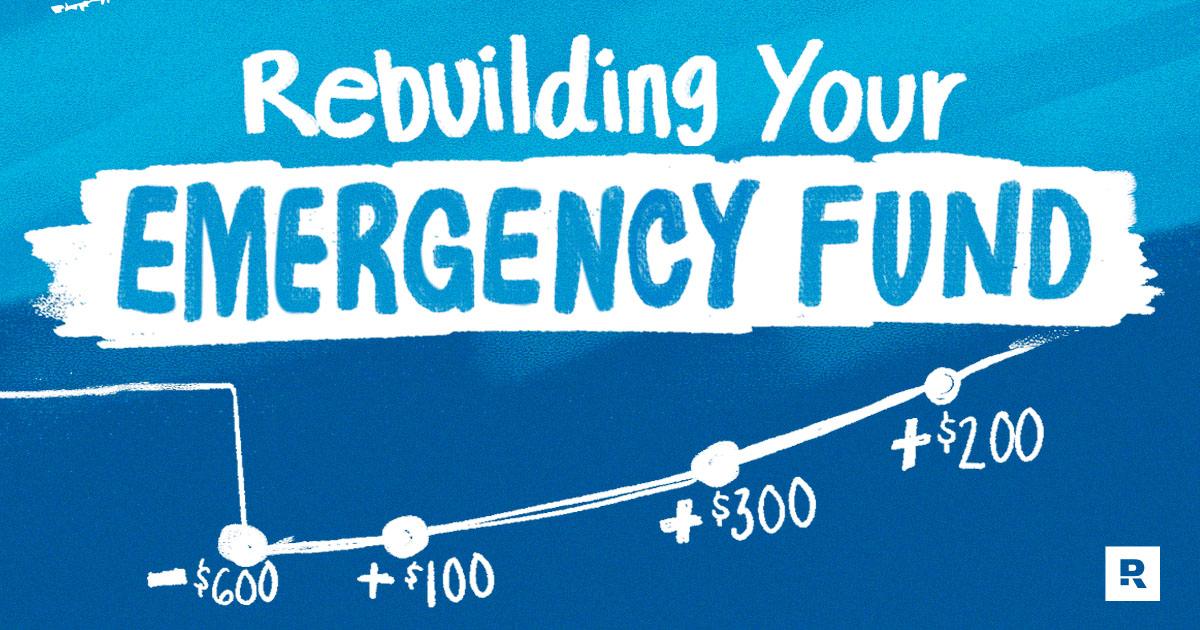
Using emergency savings for a real crisis means the fund did its job. Now the goal is to restore that financial cushion without making the rest of your budget impossible to live with.
To rebuild your emergency fund, first calculate how much you used, set a smaller starter milestone, restart regular contributions and automate savings when your cash flow allows it. Then redirect temporary spending cuts and part of any extra income or windfalls toward the fund. The CFPB recommends consistent contributions, automatic transfers, cash-flow management and one-time opportunities to save. The FDIC also recommends developing a plan to replenish emergency-fund withdrawals.
First: Draining Your Emergency Fund Is Not Automatically a Financial Mistake
If you used the money for a genuine emergency, the fund worked exactly as intended. The CFPB describes an emergency fund as a cash reserve for unplanned expenses such as car repairs, home repairs, medical bills or loss of income.
More importantly, CFPB guidance says people should not be afraid to use emergency savings when they need it. Afterward, the objective is simply to build the balance again.
Therefore, do not begin the rebuilding process by trying to “punish” your budget. Instead, create a realistic recovery plan that you can maintain.
How Much Do You Need to Rebuild?
Start with the numbers rather than a vague goal. Suppose your emergency fund held $3,000 before a necessary $2,200 repair. Your new balance is $800, so restoring the previous level requires another $2,200.
However, you do not have to think about the entire $2,200 every day. Break it into smaller milestones.
| Current Balance | Next Milestone | Then | Longer-Term Goal |
|---|---|---|---|
| $0 | $250 | $500 | $1,000+ |
| $150 | $500 | $1,000 | Previous fund level |
| $600 | $1,000 | 1 month of essentials | Multi-month reserve |
| 1 month of essentials | 2 months | 3 months | Your chosen full target |
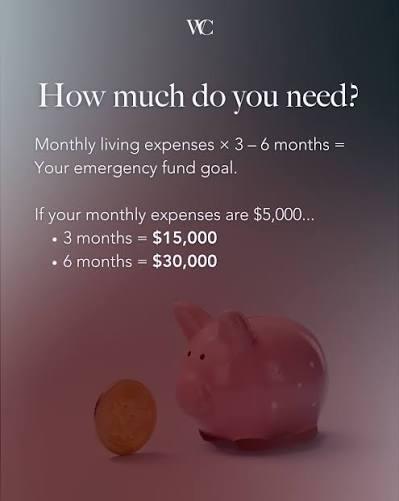
There is no universal amount that every household must rebuild to immediately. The CFPB says the amount you need depends on your situation and recommends considering the unexpected expenses you have faced before and what they cost. Recent FDIC guidance describes three to six months of expenses as a general emergency-savings recommendation, while other FDIC guidance notes that experts often recommend at least six months. Treat those figures as longer-term benchmarks rather than reasons to feel discouraged when rebuilding from zero.

9 Practical Ways to Rebuild Your Emergency Fund
Restart With a Small Contribution
Waiting for the “perfect month” can keep your emergency fund empty for far too long. Instead, restart with an amount your current budget can handle—even if that amount feels small.
For example, $10 a week becomes $520 over 52 weeks before interest. Saving $25 every two weeks becomes $650 after 26 pay periods. Neither amount will rebuild a large fund overnight, but both restore the habit.
The CFPB emphasizes that even a small amount can provide some financial security. Consequently, rebuilding $100 is better than waiting six months because you cannot immediately replace $1,000.
Use Milestones Instead of One Intimidating Number
If your previous emergency fund was $5,000 and the balance is now $200, staring at a $4,800 gap may feel overwhelming. Break the recovery into stages instead.
Your milestones might be $500, then $1,000, then one month of essential expenses, followed by your previous target. Each stage restores more protection and gives you a measurable win.
Additionally, review why the original fund was drained. If a $2,500 home repair consumed most of a $1,000 fund, the experience may show that your eventual target should be larger.
Set Up an Automatic Transfer After Payday
Automatic saving removes a repeated decision from your schedule. The CFPB calls recurring transfers one of the easiest ways to make saving consistent, while FDIC guidance similarly recommends scheduled transfers from checking into savings.
Choose an amount that will not routinely create overdrafts or force you to transfer the money back. If your income is stable, schedule the transfer shortly after payday. Alternatively, ask your employer whether direct deposit can be split between checking and savings.
When income is irregular, a fixed automatic transfer may not fit every month. In that case, consider automatically saving a conservative minimum and manually adding more during stronger income periods.
Run a 30-Day Spending Reset
Rebuilding does not require eliminating everything enjoyable indefinitely. Instead, look for expenses you can temporarily reduce while the emergency fund is vulnerable.
Review subscriptions, frequent takeout, convenience purchases, unused memberships, entertainment and other flexible categories. Then redirect the amount you actually save—not an imaginary estimate—into the emergency account.
For example, reducing discretionary spending by $35 per week for eight weeks would free $280. Combined with regular contributions, that temporary reset can accelerate recovery without becoming a permanent austerity plan.
Send Part of Windfalls to the Fund
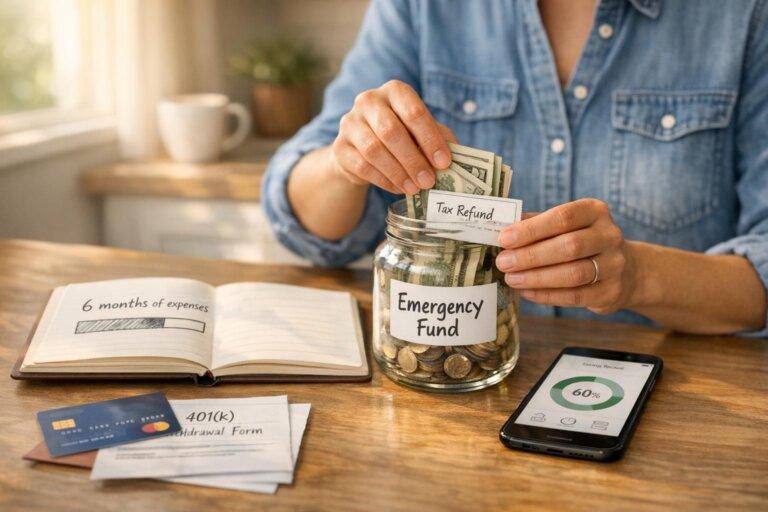
Tax refunds, bonuses, gifts, rebates and other one-time inflows can speed up rebuilding dramatically. CFPB guidance specifically recommends considering all or part of one-time cash opportunities for emergency savings.
You do not necessarily need to save 100% of every windfall. A rule such as 50% to emergency savings, 30% to another priority and 20% for flexible spending may be easier to maintain. The percentages are simply an example; choose a split that reflects your obligations.
What matters is deciding before the extra money arrives. Without a plan, a windfall can disappear into everyday spending surprisingly quickly.

Temporarily Direct Side Income Toward Rebuilding
If cutting expenses has reached its limit, increasing income can provide another route. Overtime, freelance work, temporary projects, selling unused items or another legitimate side-income source may help close the gap faster.
However, focus on net income. If a side gig brings in $300 but requires $100 in transport, supplies or other costs, only $200 is available before considering taxes or other obligations.
Also avoid turning emergency-fund rebuilding into an exhausting race. A temporary income push can help, but sustainable saving habits matter more than burning yourself out for a few weeks.
Keep Paying Yourself After a Bill Ends
When a loan, installment plan, subscription or another temporary obligation ends, your cash flow improves. Instead of allowing the freed money to disappear into lifestyle spending, redirect some or all of it to emergency savings.
Suppose a $120 monthly payment ends. Continuing that same $120 transfer to savings would rebuild $1,440 in 12 months before interest. Because you were already accustomed to living without the money, this can be less painful than finding a new $120 cut elsewhere.
After the emergency fund reaches its target, you can redirect the same habit toward another financial goal.
Reduce the Temptation to Spend It Again
Rebuilding is harder when emergency money sits in the same account used for groceries, entertainment and everyday purchases. A dedicated savings account creates a useful boundary.
The CFPB recommends keeping emergency savings somewhere safe, accessible and less tempting to spend on non-emergencies. FDIC guidance also notes that separating emergency savings from checking can help people resist raiding it for everyday expenses.
Accessibility still matters. An emergency fund should not be placed somewhere that makes legitimate emergency access unreasonably difficult or exposes short-term money to unnecessary market risk.
Turn Predictable “Emergencies” Into Sinking Funds
After the crisis, ask a valuable question: was the entire expense truly unpredictable?
A sudden transmission failure may be a genuine emergency. However, routine servicing, annual insurance, school expenses, holiday gifts and predictable appliance replacement belong in sinking funds or the regular budget.
Creating separate savings buckets prevents the rebuilt emergency fund from repeatedly paying for expected costs. In other words, rebuilding the balance is only half the solution; strengthening the system around it helps the money stay rebuilt.
How Fast Can You Rebuild $1,000?
Your timeline depends on what your budget can safely support. The examples below ignore interest so the math stays simple.
| Amount Saved | Frequency | Approx. Annual Contributions | Approx. Time to $1,000 |
|---|---|---|---|
| $10 | Weekly | $520 | 100 weeks |
| $20 | Weekly | $1,040 | 50 weeks |
| $25 | Every 2 weeks | $650 | 40 pay periods |
| $50 | Every 2 weeks | $1,300 | 20 pay periods |
| $100 | Monthly | $1,200 | 10 months |
| $200 | Monthly | $2,400 | 5 months |
The best contribution is not necessarily the largest number in the table. It is the amount you can repeat without missing essential bills or repeatedly reversing transfers.
What If You Can Only Save $5 or $10 at a Time?
Start there. Rebuilding an emergency fund is not an all-or-nothing project. The CFPB specifically notes that even small amounts can provide financial security, especially for people living paycheck to paycheck or earning variable income.
Furthermore, a small balance can still prevent a small financial shock from becoming debt. A $150 emergency fund cannot replace several months of income, but it can pay a $90 urgent expense without requiring a credit card.
As your cash flow improves, increase the contribution. For example, begin at $5 per week, move to $10, and later increase the amount after a raise or when another payment ends.
Housing, food, utilities, necessary healthcare, essential transportation and other critical obligations still need attention. A sustainable rebuilding plan is stronger than a large transfer you must reverse three days later.
Real-Life Style Case Studies
These hypothetical examples show how different households could rebuild after using emergency savings.
Rebuilding After a Major Car Repair
A worker had $1,200 in emergency savings before an unexpected $900 car repair. After paying the bill, $300 remained.
Instead of trying to replace $900 immediately, he sets $500 as the first milestone. He transfers $25 each week and temporarily redirects another $15 from discretionary spending. At $40 per week, the $200 needed to reach $500 takes five weeks.
After reaching $500, he continues toward $1,000. He also starts a separate vehicle-maintenance fund for routine servicing.
Key lesson: rebuild in stages and separate predictable car costs from genuine breakdowns.
Starting Again After Job Loss
A household uses most of a $6,000 reserve during several months of unemployment. Once new employment begins, only $700 remains.
For the first month, they focus on stabilizing overdue or essential obligations. Then they restart an automatic $150 transfer each payday. A later bonus is partly directed to savings, allowing the balance to recover faster.
Key lesson: stabilize cash flow first; then automate the rebuilding process.
Rebuilding on Irregular Freelance Income
A freelancer cannot safely automate a large fixed monthly transfer because income changes significantly. Instead, she creates a two-part rule: save a small minimum every month and save 15% of income above a chosen baseline during stronger months.
This approach keeps the habit alive during lean periods while allowing faster progress when income rises.
Key lesson: irregular income may require flexible contributions rather than abandoning automation and structure entirely.
A Home Repair Reveals a Planning Gap
A homeowner uses emergency savings for an urgent plumbing problem. During the review afterward, he realizes that several smaller home-maintenance costs had also been coming from the emergency account.
He rebuilds the main reserve while simultaneously starting a modest home-maintenance sinking fund. Future predictable repairs now have a separate source of money.
Key lesson: the strongest recovery plan fixes both the depleted balance and the budgeting weakness that contributed to it.
Should You Rebuild Your Emergency Fund or Pay Off Debt First?
This question does not have one universal answer. Interest rates, minimum payments, income stability, available savings and the type of debt all matter.
Keep Some Emergency Cushion
If you send every available dollar to debt and leave yourself with no cash buffer, the next unexpected expense may push you straight back onto a credit card or loan. CFPB guidance notes that without savings, even a minor financial shock can lead to debt that may be harder to repay.
Continue Required Debt Payments
Rebuilding savings does not mean ignoring minimum payments or other contractual obligations. Keep required payments current whenever possible while establishing a reasonable emergency cushion.
Then Choose Your Priority Deliberately
Someone with very high-interest debt may choose to build a starter emergency fund and then direct more money toward debt. Someone with unstable income may value a larger cash reserve before making aggressive extra debt payments.
Because personal circumstances differ, the right balance should reflect both the mathematical cost of debt and the practical risk of having too little accessible cash.
How to Prevent Your Rebuilt Fund From Disappearing Again
Create Written Withdrawal Rules
Define an emergency before the next one occurs. A useful starting test is whether the expense is unplanned, necessary and urgent. The CFPB also recommends establishing guidelines for what constitutes an emergency and staying consistent.
Build Sinking Funds Beside the Emergency Fund
Annual insurance, holidays, routine vehicle costs and other foreseeable expenses need their own savings categories. This keeps predictable bills from repeatedly invading the emergency reserve.
Review Insurance and Deductibles
An emergency fund often fills gaps left by insurance. Knowing your deductibles and coverage can help you set a more realistic savings target.
Review the Target After Major Life Changes
A new child, home purchase, variable-income job, older vehicle or change from two incomes to one can alter the amount of financial risk your household carries. Revisit the target instead of assuming an old number will always be enough.
Keep Saving After You Reach the First Milestone
Reaching $500 or $1,000 is meaningful, but it does not have to be the final destination. Once the starter fund is restored, consider moving toward a reserve based on essential living expenses and your personal risk level.
Your 90-Day Emergency Fund Rebuilding Plan
| Period | Main Action | Goal |
|---|---|---|
| Days 1–7 | Calculate the remaining balance, review essential expenses and choose the next milestone. | Know exactly what you are rebuilding toward. |
| Days 8–30 | Restart contributions, cut selected temporary expenses and separate the savings account. | Restore the savings habit. |
| Days 31–60 | Automate contributions where appropriate and direct part of extra income toward the fund. | Increase consistency. |
| Days 61–90 | Review progress, increase contributions if affordable and create sinking funds for predictable costs. | Strengthen the whole savings system. |
| After Day 90 | Continue toward the next milestone and review the target periodically. | Move from recovery to long-term resilience. |
The 90-day framework is not a promise that every reader can fully restore a fund in three months. Instead, it is a practical period for rebuilding the habit, strengthening the budget and making measurable progress.
Incoming Link Opportunities
Recommended External Resources
Consumer Financial Protection Bureau — Emergency Fund Guide
The CFPB explains how to build an emergency fund through savings habits, cash-flow management, one-time opportunities and automatic contributions. It also recommends rebuilding the fund after you use it.
An Essential Guide to Building an Emergency Fund — CFPB
FDIC — Saving for the Unexpected and Your Future
The FDIC discusses regular automated deposits, windfalls, emergency savings and keeping savings separate from everyday spending.
Saving for the Unexpected and Your Future — FDIC
FDIC — Starting Small Can Lead to Big Savings
This FDIC resource specifically recommends developing a plan to replenish withdrawals from an emergency fund and discusses automatic saving.
Starting Small Can Lead to Big Savings — FDIC
The CFPB and FDIC are U.S. authorities. Their general savings principles can be useful internationally, but deposit protection, banking products, insurance systems and consumer rules vary by country.
Frequently Asked Questions
How do I rebuild my emergency fund after using it?
Start by calculating what remains.
Next, choose a realistic savings milestone.
Restart regular contributions as soon as your essential bills are stable.
Automate the process when your cash flow allows it.
Then use extra income and windfalls to accelerate progress.
How quickly should I rebuild my emergency fund?
There is no single deadline for everyone.
Rebuild as quickly as your budget can sustainably support.
Do not skip essential bills simply to restore the fund faster.
Use smaller milestones if the full target feels overwhelming.
Consistency matters more than an unrealistic deadline.
Should I feel bad about draining my emergency savings?
Not if you used the money for a genuine emergency.
The fund exists for financial shocks.
Using it can reduce your need for expensive borrowing.
Review what happened after the crisis.
Then create a practical replenishment plan.
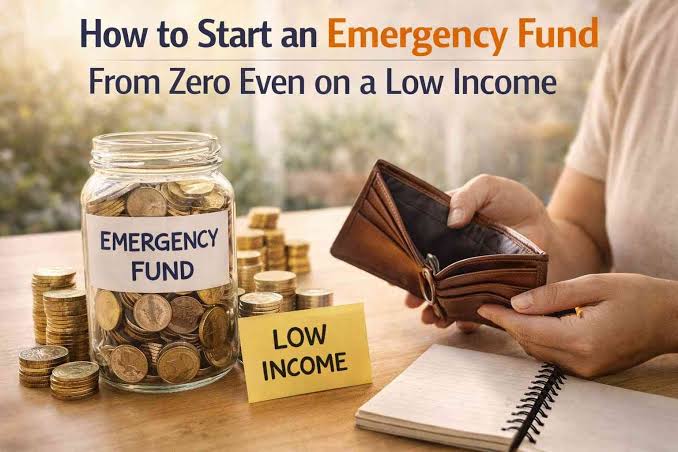
Can I rebuild an emergency fund on a low income?
Yes, although progress may be slower.
Begin with an amount you can repeat.
Even small savings can provide some protection.
Use stronger-income months or occasional extra money when available.
A sustainable contribution is better than a large transfer you cannot maintain.
Should I automate emergency-fund savings?
Automation can make contributions more consistent.
Both CFPB and FDIC guidance support automatic transfers as a savings strategy.
Choose an amount that fits your cash flow.
Monitor your checking balance to avoid overdrafts.
Adjust the transfer if your income changes.
Should I rebuild savings or pay off credit cards?
The answer depends on your situation.
Keeping some emergency cash can reduce the risk of immediately borrowing again.
At the same time, high-interest debt can be expensive.
Continue required payments and choose a starter savings cushion appropriate for your risk.
Then decide how aggressively to divide extra money between the two goals.
Can I use a tax refund to rebuild my emergency fund?
Yes.
The CFPB and FDIC both identify tax refunds or other windfalls as opportunities to strengthen savings.
You can save all or part of the refund.
Decide on the allocation before spending begins.
One larger deposit can shorten the rebuilding timeline considerably.
Where should I keep my rebuilt emergency fund?
It should generally be safe and accessible.
It should also be separated enough from daily spending to reduce temptation.
A dedicated bank or credit-union savings account can be one option.
Check the applicable deposit protection rules in your country.
Avoid taking unnecessary investment risk with money you may need suddenly.
What if another emergency happens before I finish rebuilding?
Use the available fund if the new expense genuinely qualifies.
That is why even partial rebuilding matters.
Check insurance or other coverage where relevant.
Protect essential expenses across the crisis.
Afterward, restart the rebuilding process again.
How do I stop draining my emergency fund for predictable expenses?
Create separate sinking funds.
List annual and irregular costs you know will eventually arrive.
Save toward those costs every month.
Keep written rules for emergency withdrawals.
That leaves the emergency account available for genuine financial shocks.
Research Methodology
This MoneyOnliners article was developed using current consumer guidance from the Consumer Financial Protection Bureau and Federal Deposit Insurance Corporation. Core recommendations—including rebuilding after withdrawals, saving consistently, using automatic transfers, considering one-time windfalls and separating emergency savings from everyday spending—were checked against those sources. The nine-step framework, calculations, 90-day roadmap and case studies are MoneyOnliners editorial tools designed to turn those principles into practical actions. The case studies are hypothetical, and individual circumstances can require a different approach.
Final Thoughts: Rebuild the Habit Before You Worry About Perfection
An empty or reduced emergency fund can feel uncomfortable, especially after you worked hard to build it. However, the most important step is not replacing every dollar immediately. It is restarting the saving system.
First, stabilize your regular finances. Next, choose a reachable milestone and begin contributing again. Then automate what you can, redirect temporary savings, use part of extra income strategically and keep the fund separate from ordinary spending.
Most importantly, learn from the expense that drained the account. If it was a true emergency, your savings did their job. If part of the cost was predictable, create a sinking fund so the rebuilt reserve does not have to cover the same type of expense again.
Progress may begin with $5, $20 or $100. What matters is moving the balance in the right direction and rebuilding a financial cushion that is ready when life surprises you again.