10 Easy Ways to Build an Emergency Fund From $0
10 Easy Ways to Build an Emergency Fund From $0
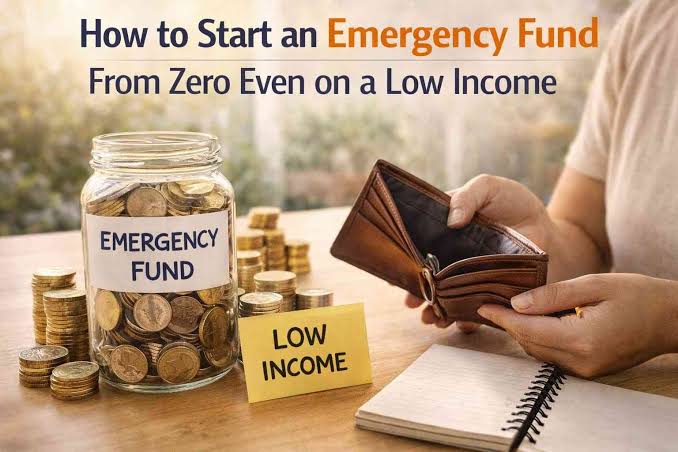
Starting an emergency fund can feel difficult when you have no savings yet. The good news is that you do not need a large deposit to begin. A small, realistic system can help you build your first financial cushion step by step.
To build an emergency fund from $0, start with a small first target, keep the money separate from everyday spending, automate a manageable contribution and use extra income or temporary spending cuts to speed up progress. Then raise your goal gradually from a starter cushion toward one month or more of essential expenses. The best emergency fund is one you can actually build and protect.
What Is an Emergency Fund?
An emergency fund is money set aside for unexpected, necessary expenses. Examples can include an urgent car repair, emergency travel, an essential home repair, an unexpected medical bill, or a temporary loss of income.
However, an emergency fund is not meant for every surprise. A birthday, annual insurance premium or holiday trip may feel expensive, but those costs are predictable enough to plan with a sinking fund instead.
Why Starting From $0 Is Still a Good Place to Begin
When you have no emergency savings, the first goal is not perfection. Instead, the goal is to create a small buffer between you and the next unexpected expense.
For example, even $100 can help with a minor prescription, transport problem or small repair. As a result, you may avoid putting the entire cost on a credit card or borrowing from someone else.
How Big Should Your Emergency Fund Be?
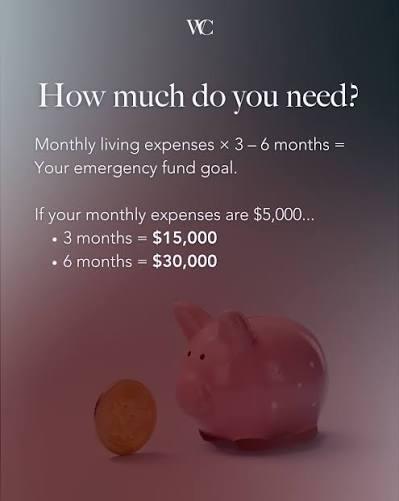
There is no single amount that works for everyone. A beginner may start with $250, $500 or $1,000. Later, the target can grow toward one month of essential expenses and eventually several months, depending on income stability, household size and financial responsibilities.
| Stage | Possible Target | Main Purpose |
|---|---|---|
| Starter cushion | $100–$250 | Small urgent costs |
| Basic emergency fund | $500–$1,000 | Moderate unexpected expenses |
| One-month buffer | 1 month of essential expenses | Short income disruption |
| Stronger reserve | 3–6 months of essential expenses | Larger income or household shocks |

10 Easy Ways to Build an Emergency Fund From $0
First, choose only the strategies that fit your current income. Next, keep the process simple enough that you can continue for several months. Most importantly, avoid setting a savings amount that causes you to miss essential bills.
Start With a Tiny First Target
If your emergency fund is at $0, a huge goal can feel impossible. Start with something concrete such as $100, $250 or one essential bill. Reaching a small target quickly builds momentum and gives you a first layer of protection.
Open a Separate Emergency Savings Account
Keeping emergency money separate from everyday spending makes it easier to protect. A dedicated savings account or clearly labeled savings bucket can reduce the temptation to use the money for normal purchases.
Automate a Small Amount After Payday
Automation can turn saving into a routine. Even $5, $10 or $25 per payday can matter when you are starting from zero. Set the transfer low enough that you can keep it going consistently.
Use a Percentage of Extra Income
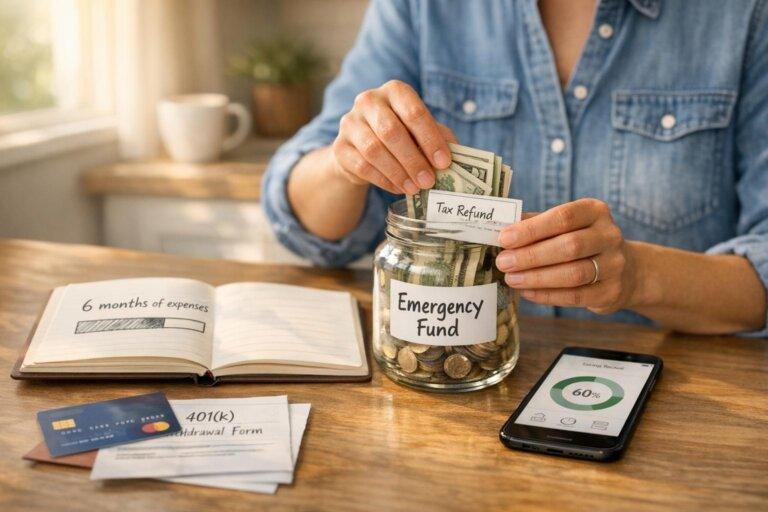
Bonuses, overtime, freelance income, tax refunds or gifts can accelerate your emergency fund. Instead of relying only on your normal paycheck, decide in advance what percentage of extra money will go to the fund.
Cut One Temporary Expense
You do not need to cut everything. Choose one flexible expense for a short period and redirect the savings. For example, reducing takeout, subscriptions or impulse purchases for three months can create meaningful progress.
Save the Difference When a Bill Drops
When a phone plan, insurance bill or subscription becomes cheaper, keep paying the old amount into your financial plan and send the difference to your emergency fund. This turns a cost reduction into automatic savings.
Use a 30-Day Savings Challenge
A short challenge can make the first month more engaging. Save a small amount each day or complete one cost-cutting action daily. The goal is not perfection; it is to create visible progress quickly.
Sell Unused Items
Unused electronics, furniture, clothing or hobby equipment can provide a one-time boost. Sell only items you genuinely no longer need and send the proceeds directly to the emergency fund.
Pause Lower-Priority Goals Temporarily
If you are saving for travel, gadgets or another flexible goal, consider slowing that goal until you have a basic emergency cushion. You can restart it once the emergency fund reaches a safer level.
Review and Increase the Target Gradually
After you reach your first milestone, raise the target in stages. For example, move from $250 to $500, then $1,000, then toward one month of essential expenses. Gradual targets are easier to maintain than one giant number.
How to Choose Your First Emergency Fund Target
Start With the Expense Most Likely to Hurt You
Think about the unexpected cost that would create the biggest problem right now. For example, if you rely on a car for work, a starter car-repair buffer may deserve priority.
Use a Target You Can Reach in 30 to 90 Days
A first target should create motivation, not defeat. Therefore, choose an amount that feels challenging but possible. If $1,000 feels too far away, start at $250 and build from there.
Connect the Goal to a Real Number
Instead of saying “I need more savings,” write down the exact target. A specific number makes it easier to calculate the weekly or monthly contribution required.
| Goal | Time Available | Monthly Amount |
|---|---|---|
| $250 | 5 months | $50 |
| $500 | 10 months | $50 |
| $600 | 6 months | $100 |
| $1,000 | 10 months | $100 |
How to Build an Emergency Fund on a Low Income
Protect Essentials First
Housing, food, utilities, health needs and required transport come before emergency savings. If saving $50 causes you to miss an essential bill, the contribution is too high.
Use Very Small Contributions
Saving $5 each week may feel insignificant, but it creates a habit. Over time, stronger months, tax refunds or extra work can add larger amounts.
Use Windfalls Carefully
When a refund, gift or bonus arrives, decide in advance how much will go to the emergency fund. For example, you might send 25% to savings and use the rest for other priorities.
Cut One Expense, Not Your Entire Life
Extreme budgets often fail. Instead, choose one temporary change such as fewer takeout meals, a paused subscription or a lower-cost phone plan. Then redirect the exact savings amount.

Real-Life Style Case Studies
The following examples are hypothetical, but they show how different households could build an emergency fund from $0 using realistic strategies.
Starting With $5 a Week
A retail worker has no emergency savings and cannot comfortably save $100 per month. Instead, she starts with $5 each week and adds part of any overtime income.
After several months, she reaches her first $100 target. As a result, a minor transport repair no longer has to go entirely on credit.
Key lesson: small contributions can still create useful protection.
Using a Temporary Subscription Pause
A couple pauses two entertainment subscriptions for three months and redirects the savings into a separate emergency account.
Because the change is temporary, it feels easier to maintain. Once the emergency fund reaches $500, they decide whether to restart one subscription.
Key lesson: a short-term sacrifice can create a permanent financial cushion.
Irregular Income Requires a Flexible Rule
A freelancer cannot automate the same amount every month. Therefore, he saves a small fixed baseline and adds 10% of stronger client payments.
This allows the emergency fund to grow without creating stress during slower months.
Key lesson: irregular income needs flexible contributions rather than rigid targets.
Selling Unused Electronics for a First Boost
A student sells an unused tablet and old headphones. Instead of spending the money, she moves the proceeds directly into a separate emergency account.
That one-time action gives her a faster start while her regular monthly contributions continue.
Key lesson: one-time boosts can accelerate a fund without changing your normal budget permanently.
Where Should You Keep an Emergency Fund?
Keep It Safe and Accessible
An emergency fund should be available when you need it. Therefore, avoid putting short-term emergency money into investments that can fall sharply in value.
Use a Separate Savings Account
A dedicated savings account can make the money easier to protect from daily spending. Compare fees, withdrawal rules, minimum balances and deposit protections in your country.
Consider a High-Yield Savings Account Where Available
If you have access to a reputable high-yield savings account with no unnecessary fees, it may help the fund earn interest while remaining liquid. However, the interest rate should not be your only consideration.
Avoid Making Access Too Difficult
Emergency money should not be so locked away that you cannot reach it during a genuine crisis. A balance between discipline and accessibility is important.
What Counts as a Real Emergency?
Unexpected and Necessary
A genuine financial emergency is usually both unexpected and necessary. Examples can include urgent medical treatment, emergency travel for a close family situation, or essential repairs required to keep working.
Predictable Expenses Need Sinking Funds
Annual insurance, school supplies, holidays and planned maintenance are better handled with sinking funds. As a result, your emergency fund remains available for true surprises.
Ask Three Questions Before Using It
First, is the expense necessary? Next, is it unexpected? Finally, would delaying it create a serious problem? If the answer is yes to all three, using the emergency fund may be reasonable.
How to Find Your First $100 When Money Feels Tight
The first $100 can be the hardest because you are building both the money and the habit at the same time. Instead of looking for one dramatic cut, combine several small actions that do not threaten essential expenses.
Look Back at the Last 30 Days
First, review bank statements, mobile-money records or receipts from the previous month. Look for flexible purchases that happened more than once. A few small convenience purchases may reveal an easier place to begin than a major lifestyle change.
Create a Temporary $25-a-Week Plan
If your cash flow allows it, saving $25 each week reaches $100 in roughly one month. However, the amount can be lower. Four $10 transfers plus a one-time $60 sale of an unused item reaches the same target without requiring the full amount from your regular income.
Redirect Money the Moment You Save It
Suppose you use a coupon, negotiate a bill or skip a purchase and save $8. Move that $8 to the emergency fund instead of leaving it in the spending account. As a result, cost-cutting decisions become visible progress rather than money that disappears elsewhere.
Use Small Cash Wins
Refunds, cashback, gift money or a small side-gig payment can help complete the first milestone. In addition, these one-time amounts can be especially useful when your normal monthly budget has little room.
Emergency Fund vs Credit Card: Why Cash Still Matters
A credit card can be useful in some situations, but it is not the same as emergency savings. A card gives you access to borrowed money. An emergency fund gives you access to money you already own.
Borrowing Creates a Future Payment
If you pay an emergency with credit, the expense may continue affecting future months through interest and minimum payments. By contrast, using savings reduces the balance you have available but does not automatically create a new debt payment.
Credit Limits Can Change
In addition, lenders can reduce limits, freeze accounts or decline transactions. Cash savings provide a different kind of flexibility because they are not dependent on new borrowing approval at the moment you need help.
A Small Fund and Responsible Credit Can Work Together
This does not mean credit cards are always bad. Instead, think of emergency savings as the first line of defense. If a larger emergency exceeds the fund, other resources may still be needed. Building cash first simply gives you more options.
Common Emergency Fund Mistakes to Avoid
Setting the First Goal Too High
A huge goal can make progress feel invisible. Instead, use smaller milestones.
Saving So Aggressively That Bills Get Missed
Emergency savings should improve stability, not create a new emergency. Reduce the contribution if essential expenses are under pressure.
Keeping the Money in Your Everyday Spending Account
When savings and spending money are mixed together, the emergency fund can slowly disappear. Separate it where practical.
Using It for Predictable Costs
Birthday gifts, annual fees and holiday travel should usually have their own sinking funds.
Stopping After Reaching $1,000
A starter fund is a milestone, not always the final goal. Continue gradually toward a target that reflects your real essential expenses.
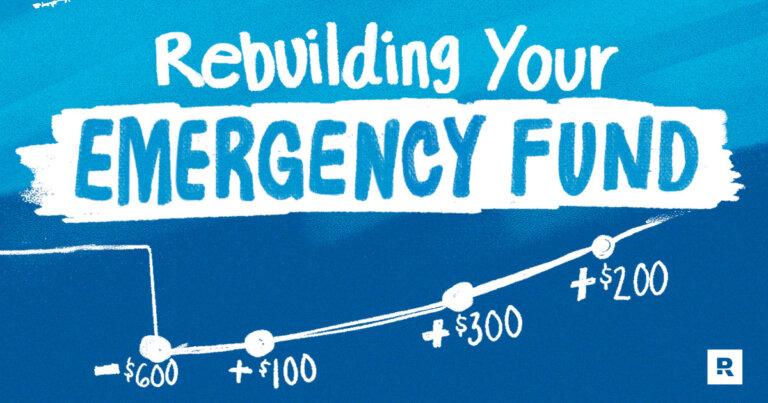
Failing to Rebuild After Using It
After an emergency, restart contributions as soon as your essential cash flow allows. Rebuilding is part of the system.
What to Do After You Reach Your First $500
Reaching $500 is a major milestone when you started from zero. However, it should usually become a checkpoint rather than the end of the process. The next step is to connect your savings target to your real essential expenses.
Calculate One Month of Essential Expenses
First, list housing, basic food, utilities, minimum debt payments, essential transport, insurance and necessary health costs. Leave out optional entertainment and lifestyle spending. The resulting number gives you a more personal emergency-fund target than a generic rule.
Move From a Flat Dollar Goal to an Expense-Based Goal
For example, if your essential expenses total $1,600 per month, a $1,000 emergency fund is useful but still less than one month of necessities. Therefore, your next milestone might be $1,600, followed by two or three months over time.
Keep the Contribution Automatic
Once you hit the first milestone, avoid stopping the transfer completely. Instead, keep the same automatic contribution running while you decide on the next target. As a result, the fund can continue growing without requiring a new monthly decision.
Balance Emergency Savings With Other Goals
After a basic cushion exists, you may be able to divide new savings between the emergency fund, debt repayment and other financial goals. However, do not weaken the fund simply because another goal feels more exciting.
How an Emergency Fund Can Reduce Financial Stress
An emergency fund does more than pay bills. It also creates decision-making time. Without savings, an unexpected expense can force you to choose the fastest available option, even when that option is expensive.
You Gain More Time to Solve the Problem
For instance, a small cash buffer can give you time to compare repair quotes, arrange transport, contact an insurer or wait for the next paycheck. That flexibility can reduce rushed borrowing decisions.
You May Avoid New High-Cost Debt
When no cash is available, a credit card, payday loan or informal loan may feel like the only option. By contrast, even a partial emergency fund can reduce how much you need to borrow.
You Protect Other Financial Goals
Without emergency savings, one unexpected bill can wipe out money intended for rent, school, debt repayment or another goal. Therefore, an emergency fund helps protect the rest of your financial plan from being repeatedly disrupted.
A Simple 90-Day Emergency Fund Plan
Month 1: Build the Habit
Choose your first target, open or label a separate savings account and automate a small transfer. During this month, focus more on consistency than the final balance.
Month 2: Find One Extra Source
Next, add one temporary spending cut, one unused-item sale or one extra-income strategy. Send that money directly to the fund instead of letting it blend into normal spending.
Month 3: Review and Increase
Finally, check whether the original contribution still feels realistic. If cash flow has improved, raise the automatic amount slightly. Otherwise, keep the current level and protect the habit.
Incoming Link Opportunities
Recommended External Resources
Consumer Financial Protection Bureau — Emergency Savings
The CFPB provides consumer guidance on building emergency savings and using small goals to strengthen financial resilience.
FDIC — Money Smart
FDIC Money Smart includes financial education on saving, banking and building stronger money habits.
Consumer.gov — Making a Budget
Consumer.gov explains how to compare income and expenses, which can help you identify how much is realistically available for emergency savings.
Several external resources above are U.S.-based. The general emergency-savings principles are widely useful, but account protections, banking rules and savings products differ by country.
Frequently Asked Questions
How do I start an emergency fund with no money?
Start with a very small contribution.
For example, save $5 or $10 whenever income arrives.
Next, separate the money from everyday spending.
Then use extra income and temporary spending cuts to build the balance faster.
The first goal is progress, not perfection.
How much should my first emergency fund be?
A starter target can be $100, $250, $500 or $1,000 depending on your situation.
However, choose an amount you can realistically reach.
Later, increase the goal toward one month or more of essential expenses.
Household size and income stability matter.
No single number works for everyone.
Should I save $1,000 before paying debt?
The right order depends on your debt cost and financial risk.
However, having a small emergency buffer can reduce the need to borrow again after an unexpected expense.
High-interest debt may still deserve aggressive attention.
In many cases, a small starter fund and debt repayment can happen together.
Use your real cash flow and debt terms to decide.
Where should I keep emergency savings?
Choose a safe, liquid place.
A separate savings account can work well.
In addition, compare fees, access and deposit protection.
Do not take unnecessary investment risk with money you may need soon.
Use an account appropriate to your country.
Can I invest my emergency fund?
Generally, short-term emergency money should prioritize safety and access.
Investments can fall in value at the wrong time.
Therefore, avoid exposing your emergency fund to unnecessary market risk.
Long-term investments can have a different purpose.
Keep those goals separate where practical.
What if I can only save $5 a week?
Start with $5.
Consistency matters more than the size of the first contribution.
As a result, the habit becomes easier to maintain.
Add extra amounts during stronger months.
Increase the contribution when your cash flow improves.
Should I use my emergency fund for car repairs?
It depends on the repair.
Routine maintenance should usually come from a sinking fund.
However, an unexpected essential repair may qualify as an emergency.
Ask whether the cost is necessary and unplanned.
If the car is required for work, urgency may be higher.
What should I do after using my emergency fund?
First, cover the emergency itself.
Next, review what caused the withdrawal.
Then restart contributions as soon as essential cash flow allows.
If the event revealed that your target was too small, increase the future goal.
Rebuilding is a normal part of emergency-fund management.
Research Methodology
This MoneyOnliners guide focuses on practical emergency-fund principles: starter targets, cash-flow safety, automation, savings milestones, account separation, low-income adjustments and rebuilding after use. The article uses hypothetical case studies for illustration and avoids promising a universal emergency-fund amount. General guidance aligns with public financial-education resources from the Consumer Financial Protection Bureau, Consumer.gov and FDIC.
Final Thoughts: Your Emergency Fund Starts With the First Dollar
Building an emergency fund from $0 does not require a perfect budget or a large paycheck. It starts with one small decision: set aside something before the next unexpected expense arrives.
First, choose a small target. Next, separate the money from everyday spending. Then automate what you can and use temporary savings or extra income to speed up progress. Finally, raise the target gradually as your finances improve.
The important part is not whether you reach $1,000 immediately. The important part is creating a financial cushion that gives you more options, less dependence on debt and greater stability when life becomes unpredictable.


5 Comments