50 Easy Ways to Save Money Every Month (That Add Up Fast)
50 Easy Ways to Save Money Every Month (That Add Up Fast)
Saving money does not require a joyless lifestyle. These practical monthly changes target recurring bills, food waste, shopping habits, transport and everyday spending so more of your income can stay yours.
The easiest ways to save money every month are usually repeatable changes rather than dramatic one-time sacrifices. Start by tracking spending, removing unused recurring charges, planning food, slowing impulse purchases and automatically moving a manageable amount to savings. Then review larger bills. A $10 monthly saving is $120 a year, while a $50 monthly saving becomes $600 before interest. Several small improvements can therefore become meaningful together.
Why Small Monthly Savings Can Become Powerful
A single small saving may not look impressive. However, monthly repetition changes the picture. If you reduce one bill by $15, avoid $20 of food waste and cut $25 of low-value impulse spending, you have created $60 of monthly breathing room. Over twelve months, that is $720 before considering any interest or investment return.
More importantly, these changes do not need to make life feel smaller. The strongest savings plan removes spending that provides little value while protecting essentials and the experiences you care about.
Start With Your Real Numbers
Before cutting expenses, look at what you actually spend. Consumer.gov's budgeting guidance recommends listing income and expenses and using the difference to plan the next month. That basic process helps you identify where changes are realistic instead of relying on guesses.
Choose Five Changes First
Do not attempt all 50 ideas this week. Instead, select five that fit your current life. Keep them for a month, measure the result and add more only when the first changes feel manageable.

50 Easy Ways to Save Money Every Month
Think of this list as a toolkit. Prices, banking systems, transport and household costs differ across countries. Therefore, use the ideas that match your circumstances rather than forcing every suggestion into your budget.
Automate a Small Payday Transfer
Schedule a realistic transfer to savings shortly after income arrives. Start small enough that bills remain safe. Then increase the amount when your cash flow improves.
Give Your Savings a Name
A named goal feels more concrete than a generic savings balance. Try labels such as emergency fund, school costs, travel, car repairs or first $1,000.
Track Every Expense for One Week
A full month is useful, but one week can reveal quick wins. Record card, cash, bank and mobile-wallet spending. Look for repeated purchases rather than judging every small expense.
Review Your Spending Once a Week
A 10- to 15-minute check-in helps you catch overspending early. Review balances, upcoming bills, flexible spending and your savings transfer.
Use a 24-Hour Purchase Rule
Wait at least a day before buying a nonessential item. The pause gives excitement time to fade and helps you decide whether the purchase still matters.
Create a Weekly Fun-Money Limit
Saving is easier when enjoyment has a place in the plan. Choose a realistic allowance for coffee, entertainment, hobbies or social spending and use it without guilt.
Cancel One Subscription You Rarely Use
Start with one recurring charge that provides little value. Because the saving repeats each month, a single cancellation can be more useful than many tiny one-time cuts.
Rotate Streaming Services
Instead of paying for several platforms continuously, keep the ones you are actively using. Switch later when there is something specific you want to watch.
Review Your Phone Plan
Check whether you pay for data, minutes or features you rarely use. Compare available plans and make sure a cheaper option still covers your real needs.
Check Internet and Household Service Plans
Prices and packages change. Review internet, television or other recurring household services periodically and compare equivalent alternatives.
Plan Meals Before Grocery Shopping
Decide several meals before entering the store. First check your refrigerator, freezer and cupboards. Then build the shopping list around what is missing.
Shop With a Grocery List
A written list reduces forgotten essentials and unplanned extras. Keep it visible on your phone or paper and update it during the week.
Use Food You Already Have First
Create meals around ingredients already at home before buying more. This can reduce waste and stretch the time between larger grocery trips.
Freeze Suitable Leftovers
When food can be safely frozen, store extra portions before they are forgotten. Label them so they become convenient future meals instead of freezer clutter.
Pack Lunch a Few Days a Week
You do not need to stop buying lunch completely. Start with two or three packed lunches each week and keep some flexibility for social or busy days.
Carry Water From Home
Repeated drink purchases can quietly add up. A reusable bottle makes it easier to avoid buying water or soft drinks simply because you are thirsty.
Create a Takeaway Budget
Set a monthly amount for delivery or restaurant meals instead of banning them. Once the amount is used, switch to food at home until the next period.
Compare Unit Prices
A larger package is not automatically cheaper. Compare price per unit, kilogram, litre or ounce when available, while avoiding quantities your household will waste.
Try Store Brands
Test lower-cost store or generic brands for products where quality is comparable. Keep the cheaper option when it works well for your household.
Plan One Low-Cost Meal Night
Choose a regular meal based on affordable staples you genuinely like. Depending on local foods, that could include beans, lentils, rice, eggs, potatoes or seasonal vegetables.
Make Coffee or Tea at Home More Often
If bought drinks are a frequent expense, replace some rather than all of them. Keeping occasional café visits can make the habit easier to sustain.
Keep a Backup Snack With You
A simple snack can prevent convenience-store purchases when work, school or travel runs longer than expected.
Use a Shopping Wish List
Save nonessential items to a list instead of buying immediately. Review the list later. Many wants lose their urgency after several days.
Remove Saved Cards From Shopping Sites
Extra checkout friction creates a useful pause. Having to find and enter payment details can interrupt an impulse purchase.
Unsubscribe From Retail Promotions
Sales emails and notifications can make unnecessary purchases feel urgent. Remove marketing from stores that regularly tempt you to spend.
Delete a Shopping App You Overuse
If browsing an app regularly leads to unplanned purchases, remove it from your phone. You can still shop intentionally through a browser when needed.
Use a No-Buy Category for 30 Days
Choose one category where you already have enough, such as clothing, décor or hobby supplies. Avoid new purchases there for one month unless something essential is needed.
Repair Before Replacing
Before replacing clothing, furniture, electronics or equipment, compare the cost and safety of a repair. A small fix can sometimes extend useful life.
Take Better Care of Clothing
Follow care labels, treat stains promptly and make simple repairs when practical. Longer garment life means fewer replacement purchases.
Buy Secondhand When It Makes Sense
Books, furniture, sports equipment and some clothing can offer good value secondhand. Inspect condition, cleanliness and safety before buying.
Sell Things You No Longer Use
Unused electronics, furniture, clothing or equipment may have resale value. Direct suitable proceeds toward a savings goal instead of immediately replacing the item.
Borrow Rarely Used Items
Some tools, books or event items are needed only occasionally. When appropriate, borrow from someone you trust rather than buying something that will sit unused.
Use Free Library Resources
Libraries may provide books, ebooks, internet access, study spaces and other resources. Services vary, so check what is available locally.
Choose More Free Entertainment
Parks, community events, home game nights, walks and free cultural activities can replace some paid outings without eliminating fun.
Plan Social Spending Before Going Out
Decide what you can comfortably spend before an outing. A clear amount makes it easier to enjoy yourself without discovering the cost afterward.
Combine Errands
When practical, group errands into fewer trips. This can reduce transport costs, fuel, fares and parking while also saving time.
Walk or Cycle for Suitable Short Trips
Where infrastructure, weather, safety and physical ability allow, active transport can replace some paid or fuel-based journeys.
Compare Public Transport With Driving Costs
Consider fuel, parking, maintenance and other costs, not only the price of a ticket. The better option varies by city and journey.
Keep Your Vehicle Maintained
Follow the manufacturer's maintenance guidance and address small problems before they grow. Preventive care can sometimes avoid larger repair bills.
Review Insurance at Renewal
Compare equivalent coverage, deductibles, exclusions and service quality when renewal approaches. The cheapest premium is not always the best overall value.
Check Your Bank Fees
Review statements for maintenance, ATM, transfer or overdraft charges. Ask whether another account better matches the way you actually bank.
Use Fee-Free Withdrawal Options
Learn which ATMs or withdrawal methods your account treats more favorably. Repeated small fees can become a meaningful monthly expense.
Pay Bills on Time
When funds are available, reminders or carefully timed automatic payments can help prevent avoidable late charges.
Create Sinking Funds
Set aside small amounts for predictable future costs such as school expenses, gifts, annual fees, repairs or insurance. Planned expenses should not have to become emergencies.
Build an Emergency Fund Gradually
Start with an achievable emergency-savings target. Consistent small contributions can create a buffer that reduces dependence on expensive borrowing after a surprise expense.
Save Part of Windfalls
Decide in advance what portion of bonuses, gifts, refunds or unusually strong income will go to savings. You can still enjoy some of the money.
Redirect a Finished Payment
When a loan, installment or subscription ends, move some of that former payment into savings. Your monthly cash flow already accommodated the amount.
Increase Savings After an Income Raise
Before lifestyle costs absorb the entire increase, direct part of a raise or stronger income toward a financial goal.
Reduce Unnecessary Home Energy Use
Turn off lights or equipment when they are not needed and use heating or cooling sensibly. Focus on safe, comfortable changes rather than extreme deprivation.
Have a Monthly Money Reset
At month-end, review what worked, what cost more than expected and which saving habit should continue. Then adjust next month's plan instead of expecting perfection.
How Fast Can Small Monthly Savings Add Up?
Small savings become easier to appreciate when you annualize them. The table below is simple arithmetic, not a promise of what any reader will save. Your result depends on the changes you can realistically make.
| Monthly Amount Kept | 6 Months | 12 Months | 24 Months |
|---|---|---|---|
| $10 | $60 | $120 | $240 |
| $25 | $150 | $300 | $600 |
| $50 | $300 | $600 | $1,200 |
| $100 | $600 | $1,200 | $2,400 |
| $200 | $1,200 | $2,400 | $4,800 |
Prioritize Savings That Repeat Automatically
A cheaper recurring service can save money without requiring a fresh decision every day. Similarly, an automatic savings transfer can turn good intentions into a routine. For that reason, recurring changes deserve early attention.
Then Improve High-Frequency Habits
Food, convenience purchases and online shopping happen often. Even modest improvements can matter because the behavior repeats. However, avoid making tiny cuts that consume large amounts of time or make the plan miserable.
Real-Life Style Examples From Different Households
The following examples are hypothetical. They illustrate how people in different places could combine monthly saving strategies without pretending that everyone has the same costs or income.
Small Workday Purchases Become a Monthly Target
A worker notices that convenience snacks and lunches happen more often than expected. Rather than banning them, he packs lunch three days each week and carries water. He keeps two flexible lunch days for colleagues and busy schedules.
Lesson: reducing frequency can be more sustainable than eliminating a category.
A Grocery System Reduces Waste
A family checks the kitchen before shopping, plans several meals and freezes suitable leftovers. Because fewer ingredients spoil, the household saves without reducing the amount of food it actually eats.
Lesson: efficiency can be a savings strategy.
Recurring Bills Get Reviewed First
A professional wants more room for savings but values weekend activities. She reviews subscriptions, phone service and insurance at renewal before cutting social spending. As a result, the plan protects something she genuinely enjoys.
Lesson: target low-value expenses before high-value experiences.

Variable Income Needs a Flexible Savings Rule
A freelancer cannot comfortably automate a large fixed amount. Instead, she keeps a small baseline transfer and saves a percentage of income during stronger months. This reduces the chance that saving will interfere with essential bills during slower periods.
Lesson: the system should match the way income arrives.
Predictable Costs Move Into Sinking Funds
School activities, sports and annual expenses used to feel like emergencies. The family begins saving smaller amounts throughout the year. The costs do not disappear, but they become easier to absorb.
Lesson: preparation can reduce financial shocks.
How to Save Every Month When Money Is Already Tight
Protect Essentials First
Saving should not come at the expense of necessary food, housing, utilities, health or safety. When essential expenses already consume nearly all income, the underlying problem may be an income shortfall rather than careless spending.
Start Smaller Than You Think You Should
A small amount that you can repeat is more useful than an ambitious target that repeatedly forces you to withdraw the money. CFPB consumer guidance also emphasizes that even small amounts can provide some financial security.
Use Stronger Months Strategically
If income changes, avoid assuming your best month will repeat. Cover essential commitments first. Then use part of stronger-month income to build a buffer, fund predictable expenses or advance another goal.
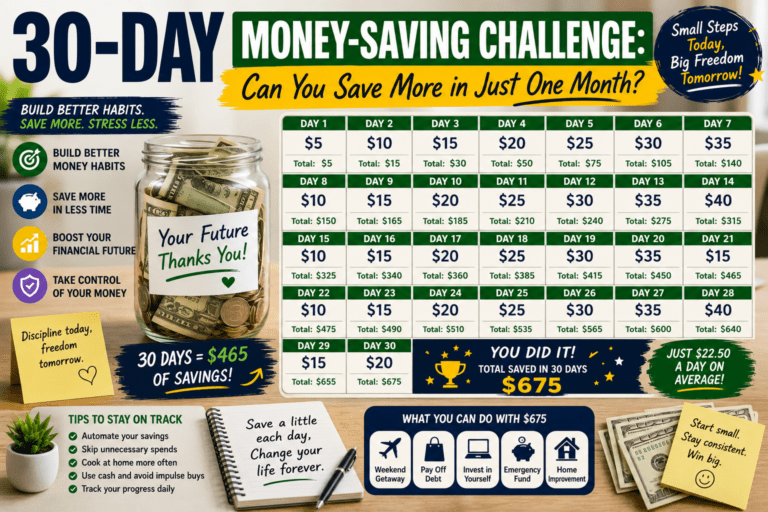
A Simple 30-Day Savings Plan
Week 1: Find the Money
Track spending and review statements. Identify one recurring charge, one food habit and one shopping behavior that could improve.
Week 2: Make Saving Automatic
Set a manageable transfer if your account and income pattern make automation appropriate. Otherwise, create a regular manual savings routine.
Week 3: Reduce Waste
Focus on groceries, leftovers, unused services and unnecessary fees. These changes can save money without removing much enjoyment.
Week 4: Review and Keep What Worked
Calculate what actually changed. Keep effective habits, drop strategies that created too much friction and choose the next improvement.
Incoming Link Opportunities
As the Saving Money cluster grows, these MoneyOnliners articles can link naturally to this guide when readers need a broad collection of monthly saving ideas.
Cross-Cluster Incoming Links
Recommended External Resources
Consumer.gov — Making a Budget. This U.S. government consumer resource explains how to list income and expenses, compare the two and use the results to plan spending and saving.
Consumer Financial Protection Bureau — Emergency Fund Guide. CFPB explains practical ways to build emergency savings, including consistent contributions, managing cash flow and using one-time opportunities.
Consumer Financial Protection Bureau — Automatic Savings. This guidance discusses recurring transfers and split direct deposit while also noting the importance of account balances and timing.
CFPB — Your Money, Your Goals. The toolkit includes resources for tracking spending, managing bills and planning financial goals.
FDIC Consumer Resources. FDIC educational materials can help U.S. readers understand deposit accounts and saving. Readers outside the United States should use the equivalent regulator or consumer-protection authority in their country.
Bank products, consumer protections, energy prices, taxes, transport systems and savings rates vary by country. Use external resources for general education and confirm local rules with the appropriate authority where you live.
Frequently Asked Questions
What are the easiest ways to save money every month?
Start with repeatable expenses.
Cancel services you do not value.
Plan groceries and meals.
Reduce impulse purchases.
Then automate a manageable savings amount.
How much can small monthly savings add up to?
Multiply the monthly amount by the number of months.
For example, $25 a month equals $300 over twelve months.
Meanwhile, $100 a month equals $1,200.
Those figures exclude interest or investment returns.
Your actual savings depend on what you can sustain.
How can I save money without feeling deprived?
Cut low-value spending first.
Keep a realistic amount for enjoyment.
Reduce frequency instead of banning everything.
Choose convenience carefully.
Most importantly, connect saving to a goal you care about.
Should I save automatically every month?
Automation can improve consistency.
However, check transfer timing and account balances.
The transfer should not cause missed bills or overdrafts.
Irregular earners may prefer a smaller automatic amount.
They can then add more during stronger months.
What expenses should I cut first?
Begin with spending that provides little value.
Unused subscriptions and avoidable fees are common examples.
Next, review frequent convenience purchases.
Then examine larger recurring bills.
Protect essential health, safety and household needs.
Can I save money on a low income?
Yes, but the amount may need to start very small.
Prioritize essential expenses first.
Reduce waste where practical.
If essentials consume nearly all income, recognize the structural shortfall.
Small spending cuts alone cannot solve every income problem.
Where should I put the money I save?
Give each saving goal a purpose.
Emergency savings usually need accessibility and safety.
Predictable future costs can use sinking funds.
Longer-term goals may require different options.
Choose products appropriate to your country, timeline and risk needs.
How do I stay consistent?
Keep the system simple.
Review progress weekly or monthly.
Automate suitable parts.
Adjust targets when circumstances change.
A sustainable plan should survive imperfect months.
Research Methodology
This article organizes practical saving strategies around recurring bills, food, shopping behavior, transportation, banking costs, household use, emergency preparation and automation. Core principles were checked against public consumer education from Consumer.gov, the Consumer Financial Protection Bureau and FDIC resources. Numerical examples use straightforward arithmetic and are illustrative rather than promises of savings. Household case studies are hypothetical.
Final Thoughts: Small Savings Become Big When They Keep Repeating
You do not need to transform your entire lifestyle to make progress. Instead, find a few expenses that matter less than the financial goal you are working toward.
First, remove low-value recurring costs. Next, improve everyday habits around food, shopping and bills. Then move some of the money you keep into savings. Finally, review the system each month and adjust it as your life changes.
That is why these easy ways to save money every month can be powerful. Individually, some look small. Together, repeated over time, they can create breathing room, stronger habits and meaningful progress.
Continue the Saving Money Series
Build a complete savings system with the next MoneyOnliners guides.
How to Save Money 75 Ways to Save Money Save on a Low Income