Cash Envelope Budgeting: Does This Old-School Money Trick Still Work?
Cash Envelope Budgeting: Does This Old-School Money Trick Still Work?
A practical beginner guide to using physical cash—or a modern digital version—to control variable spending, reduce overspending and make your budget easier to see in everyday life.
Cash envelope budgeting can still work, especially for variable categories where you tend to overspend, such as groceries, dining out, entertainment, clothing or personal spending. You decide how much each category can receive, place that amount in a labeled envelope and stop—or deliberately reallocate money—when the envelope is empty. However, modern life makes an all-cash system inconvenient for online bills, subscriptions and many digital purchases. For many households, a hybrid system works better: use envelopes for problem spending categories while keeping fixed bills, savings and online payments in bank accounts.
Table of Contents
What Is Cash Envelope Budgeting?
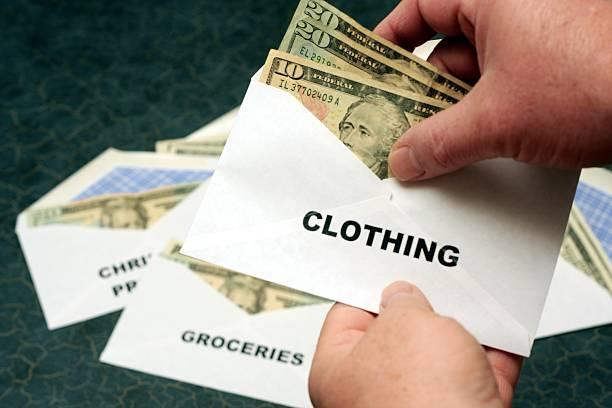
Cash envelope budgeting is a category-based spending system. Instead of keeping all flexible spending money together, you divide it among labeled envelopes. One envelope might hold grocery money, another transport money, while separate envelopes cover entertainment, clothing or personal spending.
The important idea is not the paper envelope itself. The method creates a visible boundary. If you planned $250 for dining out and the dining envelope has only $30 left, you can see the tradeoff before making another purchase.
This approach fits the broader purpose of budgeting described by Consumer.gov: a budget records what you earn and how you plan to spend it, then helps you compare the plan with what actually happened.
Why People Call It “Cash Stuffing”
Modern social-media versions often use the term cash stuffing. The mechanics are essentially the same: physical cash is divided among labeled spending categories. The presentation may involve binders, zipper pouches or decorative trackers, but none of those accessories are required for the method to work.
The Rule That Makes the Method Useful
Each envelope has a spending limit. Once the allocated amount is gone, you either stop spending in that category or make an intentional transfer from another category. That moment of friction is the point: it forces a decision instead of allowing spending to disappear inside one large account balance.
Cash envelopes do not create extra money. They simply make your existing spending limits more visible. If total essential expenses exceed income, the underlying problem still requires expense changes, income growth, assistance or another structural solution.

Does Cash Envelope Budgeting Still Work in a Digital World?
Yes, it can—but the best version today is often selective rather than all-cash. The method is strongest when it gives you useful feedback at the moment you are deciding whether to spend.
CFPB research on spending management found strong consumer interest in tools that show how much would remain in a budget after a purchase. That is essentially what an envelope does in a very simple form: the remaining cash provides immediate feedback.
Where Cash Envelopes Still Work Well
They can be effective for variable, in-person spending where the amount changes from week to week. Groceries, restaurant meals, personal care, recreation and small household purchases are common examples.
Where Physical Cash Becomes Awkward
Rent, utilities, subscriptions, insurance, online shopping and automatic payments often happen digitally. Withdrawing cash for those bills and then redepositing it adds unnecessary work.
The Better Question: Does It Work for Your Problem?
If your main issue is losing track of discretionary purchases, envelopes may help. If the problem is insufficient income, large fixed costs or debt interest, envelopes alone will not solve it. Likewise, someone who already tracks digital categories consistently may gain little from carrying physical cash.
How to Start Cash Envelope Budgeting in 7 Practical Steps
Build the Budget Before Filling Envelopes
Do not begin by guessing how much cash to withdraw. First, review income, fixed bills, savings priorities and recent variable spending. Consumer.gov recommends listing bills and expenses, recording monthly income and comparing the two before deciding what can be spent or saved.
Track Your Current Spending
Review at least several weeks of transactions. Look for categories where spending varies and where you regularly lose track. If groceries average $480, starting with a $250 envelope is probably unrealistic unless you have a specific plan for reducing the cost.
Choose Only a Few Envelope Categories
Start with three to five categories rather than turning every expense into cash. Choose the categories that create the most uncertainty or overspending.
Set a Realistic Limit for Each Category
Use recent spending and your financial priorities. A good limit should require intentional choices without being so unrealistic that the system fails within the first week.
Decide Whether to Fund Monthly or by Payday
Monthly funding works well for predictable income. If you are paid weekly, biweekly or irregularly, you may prefer to add money to envelopes each time income arrives.
Label and Fill the Envelopes
Write the category and planned amount on each envelope. You can also note transactions on the outside or keep receipts inside if that helps you track where the money went.
Check the Envelope Before You Buy
This is the behavioral heart of the system. Before spending, look at what remains. Ask whether the purchase is worth using part of the category's limited balance.
Review and Adjust at Month-End
Do not treat an empty envelope as proof that you failed. Ask why it emptied early. Perhaps the category was underfunded, prices changed or spending genuinely needs adjustment. Use the answer to improve next month's plan.
Which Budget Categories Work Best With Cash Envelopes?
The best categories are usually variable expenses where you make repeated spending decisions. Fixed bills generally do not need a physical envelope because the amount is already known and may be paid automatically.
| Category | Envelope Fit | Why |
|---|---|---|
| Groceries | Strong | Frequent purchases make the remaining balance useful feedback. |
| Dining out | Strong | Easy to pause once the limit is reached. |
| Entertainment | Strong | Highly flexible and discretionary. |
| Clothing | Good | Helps limit unplanned shopping. |
| Personal spending | Strong | Creates a clear guilt-free boundary. |
| Transport/fuel | Mixed | Useful when cash is practical, but essential travel can vary. |
| Rent/mortgage | Weak | Usually fixed and better handled securely through normal payment channels. |
| Utilities | Weak | Often paid digitally and may vary for reasons outside daily spending choices. |
| Online subscriptions | Weak for physical cash | A digital category is usually easier. |
Use Envelopes for Decisions, Not Just Expenses
A category is a strong envelope candidate when seeing the remaining amount could change what you do. That is why restaurant spending often fits better than electricity.
Try a “Fun Money” Envelope
A small personal-spending envelope can make a restrictive budget easier to live with. When the amount is planned, you can spend it without feeling that every small pleasure is destroying your financial goals.

Cash Envelope Budgeting Example: A Realistic Monthly Setup
Consider a hypothetical worker with $2,400 of monthly take-home income. After fixed bills, savings and required payments, $800 remains for several variable categories.
| Envelope | Monthly Amount | Weekly Guide |
|---|---|---|
| Groceries | $400 | About $92 |
| Dining out | $100 | About $23 |
| Transport extras | $120 | About $28 |
| Personal spending | $80 | About $18 |
| Entertainment | $100 | About $23 |
| Total | $800 | — |
What Happens if Groceries Run Out Early?
First, check whether the category was realistic. If food prices rose or the household had guests, the budget may need adjustment. If the issue was repeated impulse purchases, the empty envelope provides a useful signal.
You can transfer money from entertainment, but record the transfer. Otherwise, constantly moving cash between envelopes can hide the fact that the original budget does not match your priorities.
What Happens to Money Left Over?
You have several reasonable choices. Roll it into next month's envelope, move it to savings, add it to a sinking fund or use part of it toward debt. Decide on the rule in advance so leftover cash does not simply disappear.
Advantages and Limitations of Cash Envelope Budgeting
Advantages
| Advantage | Why It Can Help |
|---|---|
| Visible limits | You can immediately see how much remains. |
| Spending friction | Taking cash from an envelope can make purchases feel more deliberate. |
| Simple categories | No complicated software is required. |
| Reduced card dependence | Some people find it easier to avoid casual card spending. |
| Useful for couples | Shared envelopes can make selected household limits visible to both partners. |
Limitations
Physical cash can be lost or stolen, so carrying large amounts creates a security concern. Online purchases also require a workaround, and frequent ATM withdrawals may be inconvenient or costly depending on your bank.
In addition, the method can become overly rigid. Groceries, transport and healthcare do not always behave exactly as planned. A good envelope system allows deliberate adjustments instead of treating every transfer as failure.
Cash Does Not Automatically Make a Budget Better
The method only helps if you respect the category limits and review the results. Someone can still overspend by borrowing from every other envelope, withdrawing more cash or putting purchases on a card after the envelope is empty.
Cash Envelopes vs Digital Envelopes: Which Is Better?
You do not need literal envelopes to use envelope logic. A digital system can divide money into categories using a spreadsheet, budgeting app, bank subaccounts or separate “pots” where available.
| Feature | Physical Cash | Digital Envelope |
|---|---|---|
| Immediate visibility | Excellent | Good if updated consistently |
| Online purchases | Awkward | Easy |
| Security | Cash can be lost/stolen | Depends on account/app security |
| Automatic records | Usually manual | Often easier |
| Spending friction | High | Varies |
| Best use | Problem categories and in-person spending | Mixed digital lifestyles |
A Hybrid System Is Often the Most Practical
Keep rent, utilities, savings and other fixed payments digital. Then withdraw cash only for categories where physical limits genuinely improve behavior.
For example, you might keep groceries and entertainment in cash while paying fuel by card and tracking it in a digital envelope. The method should adapt to your life rather than forcing every transaction into the same format.

Can Cash Envelope Budgeting Work on a Low or Irregular Income?
For a Low Income, Prioritize Essentials Before Envelopes
When income is tight, calculate essential expenses first. Do not create an entertainment envelope while leaving housing or necessary medicine underfunded.
Cash envelopes can still help control flexible categories, but they cannot make an insufficient income cover an impossible expense structure.
For Irregular Income, Fund Envelopes as Money Arrives
If pay changes every month, avoid filling envelopes based on a hoped-for income amount. Instead, use a conservative baseline and fund categories after money actually arrives.
During stronger months, build an income buffer and prepare for weaker periods. During lean months, reduce flexible envelopes first while protecting essential spending.
Payday Envelopes Can Be Easier Than Monthly Envelopes
Someone paid every two weeks might fund half of the monthly grocery amount from each paycheck. This reduces the amount of cash held at once and can make the spending rhythm easier to manage.
Today-to-Today Examples and Mini Case Studies
These scenarios are hypothetical educational examples designed to show how envelope budgeting can be adapted to different households and places.
Lunch Spending Was Hard to See
A worker regularly buys lunch and small snacks. Each purchase looks minor, but the total is much higher than expected.
He creates a weekly lunch envelope. Once the amount becomes visible, he chooses which days are worth buying lunch and which days to carry food.
Key lesson: Envelopes work well for frequent small decisions.
The Grocery Budget Needed More Structure
A family does one large supermarket trip but continues making many smaller purchases during the month.
Instead of one monthly grocery envelope, they divide the amount into weekly envelopes and keep a small separate household-supplies category.
Key lesson: Breaking a large category into shorter periods can improve control.
Physical Cash Was Too Inconvenient
A couple pays almost everything by card and online. Carrying cash makes their system harder rather than easier.
They keep the envelope concept but use separate digital categories for dining, entertainment and personal spending.
Key lesson: The category boundary matters more than the physical envelope.

Business Cash Was Being Mixed With Household Cash
A shop owner tries to use envelopes but fills them directly from daily sales before protecting stock and business expenses.
She first separates business revenue and operating costs. Only the amount transferred to the household is divided among personal categories.
Key lesson: Envelope budgeting should use genuine household income, not gross business revenue.
Children's Activities Needed Their Own Category
Sports fees, snacks and small activity costs repeatedly came from the general grocery budget.
A separate kids' activities envelope makes the true cost visible and protects grocery money.
Key lesson: A new envelope can be useful when one category repeatedly steals from another.
Envelope Budgeting Became a Sinking-Fund System
A remote worker enjoys games and electronics but wants to avoid impulse upgrades.
He keeps everyday entertainment spending separate and saves gradually in a technology sinking fund for larger purchases.
Key lesson: Do not force large future purchases into an ordinary monthly spending envelope.

8 Cash Envelope Budgeting Mistakes That Can Make the System Fail
1. Using Envelopes Before Creating a Real Budget
The envelopes should come from a complete spending plan, not random amounts.
2. Creating Too Many Categories
Twenty envelopes can turn a simple method into exhausting administration. Start with the categories that matter most.
3. Setting Unrealistically Low Limits
A category that empties every week may be underfunded rather than proof of poor discipline.
4. Borrowing Between Envelopes Without Tracking It
Transfers are not automatically bad. However, repeated unrecorded transfers make the original plan meaningless.
5. Continuing to Use Cards After Cash Runs Out
If the envelope is empty but you simply switch to a credit card, the spending boundary disappears.
6. Keeping Too Much Cash at Home or in Your Wallet
Consider security and only withdraw amounts you are comfortable handling physically.
7. Ignoring Online Spending
An envelope system must account for digital purchases too. Otherwise, the cash categories show only part of your real spending.
8. Never Updating the Amounts
Prices, income and household needs change. Review the categories regularly and adjust them using actual spending data.
Why Cash Envelope Budgeting Still Matters
It Makes Spending Limits Visible
Cash envelope budgeting turns a category limit into something you can see immediately.
Instead of checking one large account balance, you see what remains for a specific purpose.
That visibility can make everyday decisions easier.
For example, a nearly empty dining envelope signals that restaurant spending needs to slow.
As a result, the budget becomes useful before the purchase rather than only after it.
It Adds Friction to Impulse Spending
Cash envelope budgeting can also create a deliberate pause before spending.
Physical cash has to be removed from a limited category.
Meanwhile, the remaining amount becomes smaller and easier to notice.
This does not guarantee better decisions, but it can make careless spending harder to ignore.
Consequently, the method may be valuable for categories where impulse purchases are common.
It Can Be Adapted to Modern Payments
Modern cash envelope budgeting does not require every transaction to use paper money.
Digital categories can reproduce the same spending boundaries.
A hybrid approach can therefore handle both in-person and online purchases.
Fixed bills can remain automated while problem categories receive tighter limits.
In this way, the old principle can survive even when the payment method changes.
It Teaches Intentional Tradeoffs
Finally, cash envelope budgeting makes tradeoffs explicit.
Moving $30 from entertainment to groceries means accepting less entertainment that month.
That choice is often healthier than pretending both categories have unlimited room.
Over time, these decisions can reveal what the household actually values.
Ultimately, the method works when it helps money follow priorities more consistently.
Incoming Link Opportunities
The following updated Budgeting cluster posts should link contextually to this guide when they discuss spending limits, overspending, category-based budgeting or alternatives to card spending.
cash envelope budgeting, cash envelope system, envelope budgeting method, cash stuffing, envelope budget, control spending with cash, and category-based cash budget.
High-Priority Incoming Links
Zero-Based Budgeting should link here when readers want a physical method for enforcing category allocations.
Monthly Budget Tricks should link here when readers need stronger controls for one or two problem categories.
Budgeting Mistakes should link here when card spending or weak category limits contribute to overspending.
Track Your Expenses should link here when readers need a real-time method for controlling spending after tracking reveals a problem.
Cross-Cluster Incoming Links
Recommended External Resources
Consumer.gov — Making a Budget
Making a Budget explains the basic process of listing income and expenses, checking whether spending exceeds income, and reviewing the budget each month.
Consumer.gov — Budget Worksheet
Budget Worksheet provides a simple framework for recording income and major expense categories before deciding how much can go into envelopes.
Consumer Financial Protection Bureau — Budgeting
Budgeting: How to Create a Budget and Stick With It covers income tracking, spending tracking, bill timing and building a realistic working budget.
CFPB — Managing Spending
Managing Your Spending to Achieve Your Goals discusses the value of real-time feedback about how much money remains after a purchase—one of the practical ideas behind category limits.
CFPB — Your Money, Your Goals
Your Money, Your Goals Toolkit includes tools for tracking income and spending, prioritizing bills, managing cash flow and dealing with debt.
MyMoney.gov — Managing Spending Worksheet
Consumer Tips on Managing Spending Worksheet is a government resource designed to help people track spending, curb impulse purchases and prepare for special occasions.
Several external resources above are U.S.-based. The budgeting principles can be adapted broadly, but cash availability, bank fees, consumer protections and normal payment methods vary by country. Use official local sources for country-specific financial guidance.
Frequently Asked Questions
What is cash envelope budgeting?
Cash envelope budgeting divides spending money into labeled categories.
Traditionally, each category uses a physical envelope containing cash.
You spend only from the relevant envelope.
When the money is gone, you pause spending or deliberately move money from another category.
Digital systems can use the same principle without physical cash.
Does cash envelope budgeting really work?
It can work well for people who need clearer limits on variable spending.
The visible balance provides immediate feedback.
However, it is not automatically better than every digital method.
The system must fit your spending habits and payment options.
It works best when you actually respect and review the category limits.
Which categories should I use for cash envelopes?
Start with variable categories where overspending is common.
Groceries, dining, entertainment, clothing and personal spending are common choices.
You do not need an envelope for every bill.
Fixed digital payments can stay outside the physical system.
Choose categories where seeing the remaining amount could change your behavior.
What if an envelope runs out before the end of the month?
First, decide whether the remaining purchase is necessary.
You may stop spending in that category.
Alternatively, transfer money from another category intentionally.
Record the transfer so you can see what changed.
At month-end, review whether the original limit was realistic.
Can I use cash envelopes with a debit card?
Yes, by using digital envelope logic.
You can track category balances in a spreadsheet or budgeting tool.
Some financial accounts also provide subcategories or savings buckets.
The important part is maintaining clear category limits.
Choose a method that you will update consistently.
Is cash envelope budgeting good for low income?
It can help control flexible spending when income is limited.
However, essential expenses should be protected first.
Do not use unrealistic envelope limits to hide an income shortfall.
If essentials exceed income, broader financial changes may be necessary.
Use envelopes as a spending-control tool, not as a substitute for sufficient income.
Can couples use the cash envelope system?
Yes, especially for shared variable categories.
Both partners should agree on the limits and transfer rules.
A shared grocery or entertainment envelope can make remaining money visible.
Personal spending envelopes can also preserve some individual flexibility.
Review the system together rather than using it to police one another's spending.
Is cash envelope budgeting the same as zero-based budgeting?
No, although the methods can work together.
Zero-based budgeting gives income a planned purpose.
Envelope budgeting is one way to enforce selected category limits.
You can use zero-based budgeting without cash.
Likewise, you can use a few envelopes inside another type of spending plan.
Research Methodology
This guide evaluates cash envelope budgeting through five practical questions: how category limits are created, whether the method improves spending visibility, which expenses fit physical cash, how the system adapts to digital payments, and where envelopes cannot solve deeper income or fixed-cost problems.
Core budgeting principles were cross-checked against Consumer.gov and Consumer Financial Protection Bureau materials on budgeting, spending tracking and real-time spending feedback. All case studies are hypothetical educational illustrations and do not promise specific financial outcomes.
Final Verdict: Does This Old-School Money Trick Still Work?
Yes—cash envelope budgeting can still work when the problem is controlling variable spending. Its biggest strength is simple: it shows you exactly how much remains for a category before you spend again.
However, you do not need to turn your entire financial life into cash. In a world of online bills, cards and automatic payments, a hybrid approach is often more practical. Keep fixed expenses and savings secure in your normal accounts, then use physical or digital envelopes where clearer spending boundaries genuinely help.
The best budgeting method is not the one that looks impressive on social media. It is the one you can understand, maintain and use to make better decisions month after month.
Continue Your Budgeting Plan
Move to the next MoneyOnliners budgeting guides and keep strengthening your system.
Avoid Budgeting Mistakes Track Your Expenses Budget vs Spending Plan