Keyword Research 2026 (Beginner Guide + Long-Tail Examples)
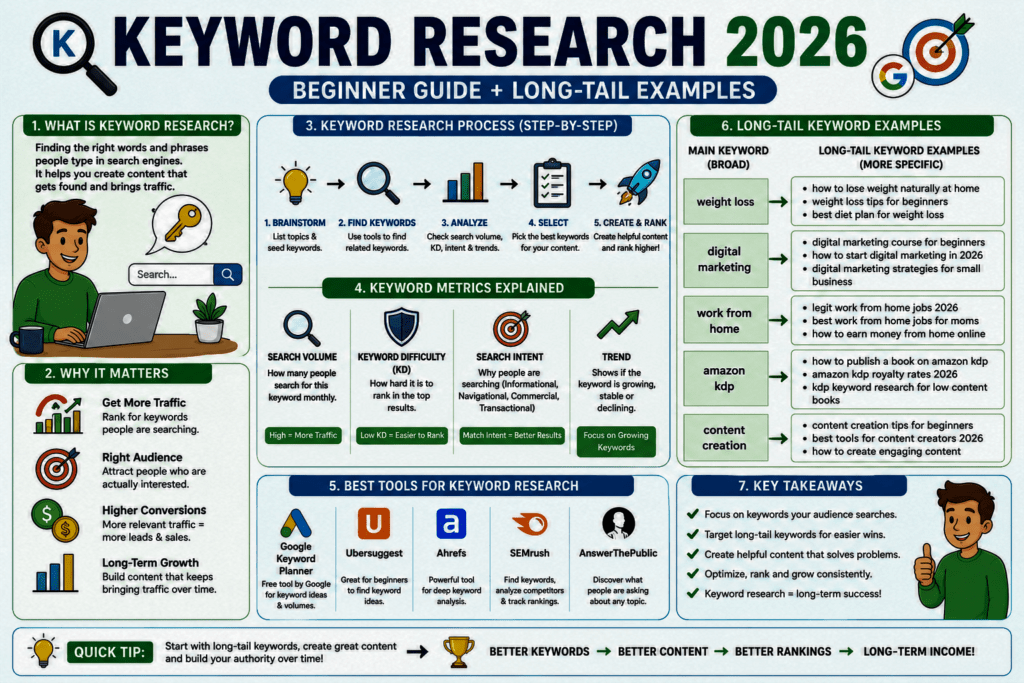
Keyword Research for Beginners in 2026 (Complete SEO Guide)

Introduction
Keyword research is one of the most important foundations of modern SEO and online business growth in 2026. Whether you are building a blog, affiliate website, freelancing platform, or long-term online income system, learning proper keyword research helps people discover your content through Google search.
Many beginner websites fail because they skip keyword research and create content without understanding what users are actually searching for online. They target highly competitive keywords, ignore search intent, and publish random articles with no SEO structure. As a result, they struggle with low traffic, poor Google rankings, weak Search Console performance, and little long-term growth.
At MoneyOnliners.com, we focus on realistic beginner-friendly online growth strategies. This keyword research guide explains how beginners can use keyword research to build topical authority, improve search visibility, attract targeted traffic, and create sustainable long-term SEO growth without hype or unrealistic promises.
In this complete guide, you will learn:
- What keyword research really means
- How long-tail keywords work
- Why search intent matters
- How to improve EEAT signals
- How user behavior affects SEO
- How Search Console maturity improves rankings
- Real SEO examples and case studies
- Best keyword research tools in 2026
Internal Links:
- https://moneyonliners.com/how-online-income-really-works/
- https://moneyonliners.com/on-page-seo-guide/
What Is Keyword Research?
Keyword research is the process of finding and analyzing the words and phrases people type into Google and other search engines.
Examples include:
- keyword research for beginners
- how to start a blog
- realistic online income ideas
- SEO content strategy
- long-tail keyword examples
Keyword research helps search engines understand:
- What your content is about
- Which users should see your content
- How relevant your content is to search intent
Strong keyword research improves:
- Organic traffic
- Google rankings
- Click-through rates
- Search Console performance
- User engagement
- Internal linking structures
- Topical authority
Without keyword research, SEO becomes guesswork.
External Resources:
Why Long-Tail Keywords Matter
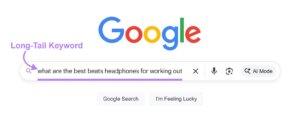
Long-tail keywords are more detailed and specific search phrases.
Example:
Short keyword:
- SEO
Long-tail keyword:
- keyword research for beginners in 2026
Another example:
Short keyword:
- blogging
Long-tail keyword:
- how to start a blogging business with no experience
Long-tail keywords help beginner websites because they:
- Have lower competition
- Match clearer search intent
- Improve conversions
- Increase engagement
- Build topical depth
Long-Tail Keyword Research Image
Real beginner keyword examples:
- keyword research examples
- beginner SEO keyword strategy
- low competition keywords for blogs
- how to find long-tail keywords
Internal Links:
Understanding Search Intent
Search intent explains why users search for specific topics online.
Google prioritizes content that best satisfies user intent.
Main search intent types include:
Informational Intent
The user wants information.
Examples:
- what is keyword research
- how SEO works
- how affiliate marketing works
Commercial Intent
The user compares products or tools.
Examples:
- best SEO tools
- Ahrefs vs SEMrush
- best keyword research software
Transactional Intent
The user wants to take action.
Examples:
- buy SEO tools
- start blogging today
- purchase hosting
Understanding search intent improves:
- Rankings
- Engagement
- CTR
- User satisfaction
- Google trust signals
Best Keyword Research Tools in 2026
Keyword research tools help discover:
- Search volume
- Keyword difficulty
- Search intent
- Ranking opportunities
- Competitor gaps
Recommended beginner tools include:
Free Tools
- Google Search Console
- Google Trends
- Google Keyword Planner
Paid Tools
- Ahrefs
- SEMrush
- LowFruits
- KeySearch
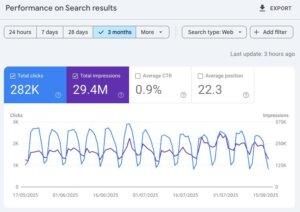
SEO Tools & Analytics Image
External Links:
Real Beginner SEO Case Studies
Case Study 1: Beginner Blog Using Long-Tail Keyword Research
A beginner blogger launched a small website focused on freelancing and beginner online income strategies. At first, the website struggled because the content targeted highly competitive keywords like:
- make money online
- SEO
- blogging
These keywords were too difficult for a new website with low authority.
After learning keyword research, the blogger shifted strategy and began targeting long-tail beginner-focused keywords such as:
- keyword research for beginners
- realistic freelancing for beginners
- how to make your first $100 online
- beginner affiliate marketing guide
The website also improved:
- Internal linking
- Image optimization
- Content structure
- Search intent matching
- EEAT signals
Within several months:
- More pages became indexed
- Search Console impressions increased
- Average click-through rate improved
- Users stayed longer on pages
- Internal page visits increased
This demonstrates how keyword research helps newer websites compete by focusing on realistic ranking opportunities instead of impossible broad keywords.
Case Study 2: Small Affiliate Website SEO Growth
A beginner affiliate marketer built a niche website reviewing blogging tools and SEO resources.
Initially, traffic remained very low because the content lacked:
- Search intent optimization
- Internal links
- Keyword structure
- Topical depth
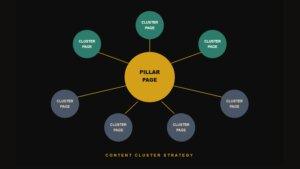
The site owner then used keyword research to build focused topic clusters around:
- blogging tools
- keyword research tools
- beginner SEO
- affiliate marketing for beginners
Instead of publishing random content, they created connected articles supporting each topic.
For example:
Main Pillar:
- Keyword Research Guide
Supporting Posts:
- Best Free Keyword Research Tools
- How to Find Low Competition Keywords
- Beginner SEO Mistakes
- Long-Tail Keyword Examples
This topical authority strategy improved:
- Google indexing
- User engagement
- Search Console visibility
- Organic clicks
Over time, the site gained natural backlinks because the content became more useful and organized.
Case Study 3: Content Creator Improving Search Intent
A beginner content creator wrote articles with strong SEO titles but weak search intent alignment.
Example:
Original Article:
- “SEO Tips”
The article was too broad and unclear.
After studying keyword research and search intent, the creator changed the strategy to more focused topics like:
- keyword research for beginners in 2026
- beginner SEO strategy step-by-step
- how search intent works in SEO
The creator also improved:
- Headings
- User readability
- Content depth
- Examples
- Internal linking
Results included:
- Higher engagement
- Longer time on page
- Better CTR
- Increased Google impressions
This example shows that keyword research is not only about keywords themselves, but also about understanding what users truly want to learn.
Practical Keyword Research Examples
Example 1: Broad Keyword vs Long-Tail Keyword
Broad Keyword:
- blogging
Long-Tail Keyword:
- how to start a blogging business with no experience
Why the long-tail keyword is stronger:
- Lower competition
- Clear search intent
- Better beginner targeting
- Higher engagement potential
Example 2: Poor Search Intent vs Strong Search Intent
Weak Keyword:
- SEO tools
Better Keyword:
- best free SEO tools for beginners in 2026
The second keyword works better because:
- It targets beginners
- Includes freshness (2026)
- Matches informational intent
- Improves CTR potential
Example 3: Better Content Clustering
Weak Strategy:
Publishing random unrelated articles.
Strong Strategy:
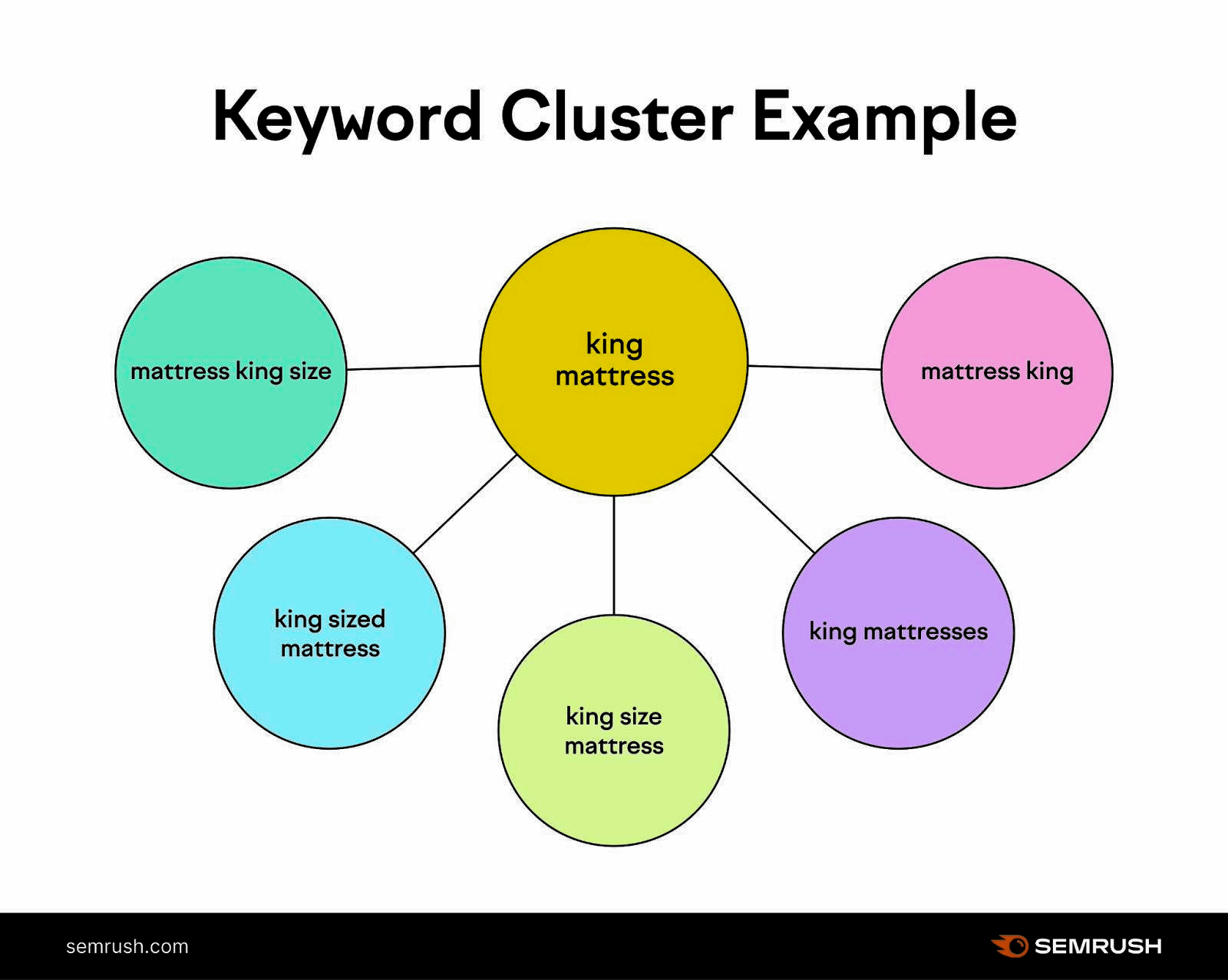
Building connected SEO topic clusters.
Example:
- Keyword Research
- Search Intent
- Technical SEO
- On-Page SEO
- Internal Linking
- Blogging SEO
This improves:
- Topical authority
- User navigation
- Internal page visits
- Google understanding
Beginner SEO Testimonials
“This keyword research guide helped me finally understand why my blog was not ranking. The long-tail keyword examples made everything much clearer.”
“I used the beginner keyword research strategy explained here and started focusing on lower competition topics. My impressions in Search Console started increasing after consistent publishing.”
“The explanation about search intent completely changed how I create content. I now think about what users actually want instead of only adding keywords.”
“The case studies made SEO feel realistic instead of confusing. I finally understand how beginner websites can slowly build authority.”
“The examples about topical authority and internal linking helped me organize my website much better.”
How EEAT Signals Improve Rankings
Google evaluates:
- Experience
- Expertise
- Authoritativeness
- Trustworthiness
These EEAT signals help Google determine whether content is reliable and useful.
To improve EEAT:
- Publish detailed helpful content
- Use real examples
- Add testimonials
- Include trusted references
- Build topical authority
- Create transparent about pages
- Use clear internal linking
Trusted External Sources:
User Behavior Signals and SEO
Google studies how users interact with your content.
Important behavior signals include:
- Click-through rate
- Time on page
- Scroll depth
- Bounce rate
- Internal page visits
- User engagement
To improve user behavior:
- Use strong introductions
- Add headings
- Include helpful images
- Improve readability
- Add internal links
- Create practical beginner content
Good keyword research helps attract users who actually want your content, improving overall engagement and SEO performance.
Search Console Maturity and SEO Growth
As websites grow, Google Search Console becomes more valuable.
Over time, Google collects:
- Ranking data
- User behavior signals
- Click-through patterns
- Keyword associations
- Search intent relevance
This process is called Search Console maturity.
New websites usually struggle early because Google still learns:
- Site quality
- Topic consistency
- User trust
- Content expertise
Consistent publishing and keyword research gradually improve:
- Indexing
- Rankings
- Traffic
- Authority
Why Backlinks Matter
Backlinks remain one of the strongest ranking signals in SEO in 2026. A backlink is simply a link from another website pointing to your content. Search engines like Google view backlinks as signals of trust, relevance, and authority.
When trusted websites link to your content, Google sees this as a sign that your article may be useful, reliable, and valuable for users. This is why websites with strong backlink profiles often rank higher in search results.
However, modern backlinks are not just about quantity. Google now focuses heavily on:
- Link quality
- Relevance
- Context
- User value
- Natural link patterns
A few strong backlinks from trusted relevant websites are usually far more powerful than hundreds of low-quality links.
How Backlinks Help SEO
Backlinks help improve several important SEO factors:
1. Higher Google Rankings
One of the biggest benefits of backlinks is improved ranking potential.
When authoritative websites link to your content, Google gains more confidence in your page quality. This can help pages rank higher for competitive keywords.
For example, a keyword research article with quality backlinks may perform better than a similar article without backlinks because Google sees stronger trust signals.
2. Faster Indexing
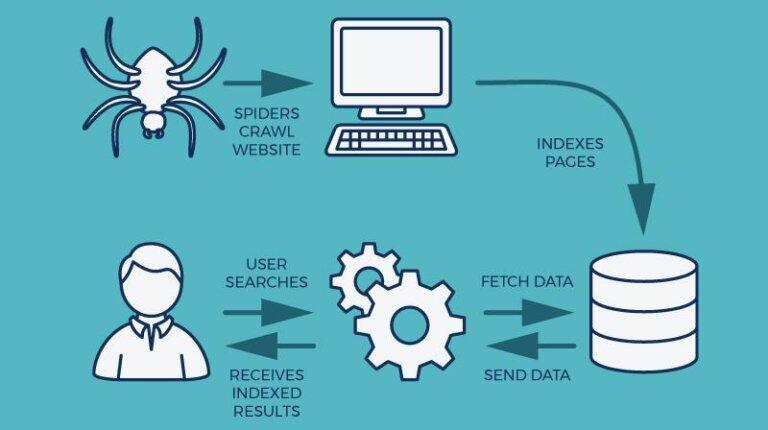
Google discovers new pages partly through links.
When another website links to your article, Google crawlers may find and index your content faster.
This is especially important for:
- New websites
- Fresh blog posts
- Updated SEO guides
- Recently published content
Backlinks can help Google notice your pages more quickly.
3. Stronger Website Authority
Backlinks help build overall domain authority and topical authority.
For example, if several SEO-related websites link to your keyword research guide, Google may start associating your website more strongly with:
- SEO
- Blogging
- Search intent
- Content strategy
- Online marketing
Over time, this strengthens your website’s ability to rank across related topics.
4. More Organic Traffic
Backlinks can generate direct referral traffic in addition to SEO benefits.
If a popular website mentions and links to your content:
- New visitors may click through
- Brand visibility increases
- User trust improves
- Engagement signals may strengthen
This creates both short-term and long-term traffic opportunities.
5. Improved EXEAT Signals
Google values:
- Experience
- Expertise
- Authoritativeness
- Trustworthiness
Backlinks from trusted websites can improve perceived authority and trustworthiness.
For example, links from:
- SEO blogs
- Industry publications
- Educational resources
- Trusted business websites
can strengthen your overall EEAT profile.
This is especially important for beginner websites trying to establish credibility.
Quality Backlinks vs Spam Backlinks
Not all backlinks help SEO.
Some backlinks can actually hurt rankings if they appear manipulative or low quality.
Good Backlinks Usually Come From:
- Relevant websites
- Trusted blogs
- Industry resources
- Helpful guides
- Real mentions
- Educational content
- Genuine recommendations
Bad Backlinks Often Come From:
- Spam websites
- Link farms
- Automated SEO tools
- Unrelated websites
- Paid link schemes
- Low-quality directories
Google’s algorithms are increasingly effective at detecting unnatural link patterns.
Because of this, modern SEO should focus on earning backlinks naturally through quality content.
How Beginners Can Earn Backlinks Naturally
Many beginners assume backlinks are impossible to get, but helpful content naturally attracts links over time.
Strong backlink strategies include:
1. Creating Helpful Beginner Guides
Detailed beginner content often earns links because it is useful and easy to reference.
Example:
- keyword research for beginners
- realistic blogging guide
- affiliate marketing beginner roadmap
Comprehensive educational content is more likely to be shared and referenced.
2. Writing Case Studies
Real examples and practical experiences improve credibility.
Case studies are highly linkable because they:
- Provide unique insights
- Show practical results
- Build trust
- Add original value
Example:
- SEO traffic growth case study
- beginner blogging growth strategy
- Search Console improvement examples
3. Guest Posting
Guest posting means writing articles for other websites in your niche.
Benefits include:
- Backlinks
- Brand exposure
- Authority building
- Referral traffic
The best guest posts focus on:
- Helpful education
- Real value
- Relevant audiences
Avoid spammy mass guest posting.
4. Creating Original Resources
People naturally link to useful resources.
Examples:
- SEO checklists
- keyword research templates
- beginner blogging roadmaps
- free SEO tools lists
These assets increase backlink opportunities.
5. Building Topical Authority
Topical authority itself helps attract backlinks.
When your website becomes known for useful content around:
- SEO
- Blogging
- Affiliate marketing
- Online business
- Content strategy
other creators may naturally reference your content.
This is why strong internal linking and content clustering matter.
Backlinks and User Behavior Signals
Backlinks also influence user behavior indirectly.
Visitors arriving from trusted websites may:
- Spend more time on your pages
- Explore internal links
- Trust your content more
- Return later
- Share your articles
These engagement signals can further strengthen SEO performance.
Common Backlink Mistakes
1. Buying Spam Links
Cheap backlink packages often create harmful low-quality links.
These can damage trust and rankings.
2. Prioritizing Quantity Over Quality
A few trusted backlinks are usually more valuable than hundreds of weak links.
3. Ignoring Content Quality
Backlinks work best when linked content is genuinely helpful and valuable.
Weak content struggles to earn natural backlinks.
4. Building Irrelevant Links
Links should come from relevant topic areas whenever possible.
For example:
An SEO guide benefits more from links on blogging or SEO websites than unrelated niches.
Backlinks and Search Console Maturity
As your website matures, backlinks combine with:
- User behavior signals
- Search intent relevance
- Topical authority
- Internal linking
- Content depth
This helps strengthen Search Console performance over time.
Google gradually learns:
- Which topics your site covers
- How users engage with your content
- Which pages attract trust and authority
Backlinks help accelerate this trust-building process.
Final Thoughts on Backlinks
Backlinks are still one of the most important long-term SEO signals in 2026, but modern SEO is no longer about manipulating links or chasing shortcuts.
The strongest backlink strategy is creating content people genuinely want to reference, share, and recommend.
When combined with:
- Strong keyword research
- Helpful beginner content
- Topical authority
- EEAT optimization
- Internal linking
- Good user experience
backlinks become part of a sustainable long-term SEO growth system.
At MoneyOnliners.com, the goal should not simply be “getting links,” but building a trustworthy resource that naturally earns authority over time through valuable beginner-focused content.
Building Topical Authority
Topical authority means deeply covering connected topics within your niche.
Instead of publishing random articles, create strong topic clusters.
Example SEO cluster:
- Keyword Research
- On-Page SEO
- Technical SEO
- Internal Linking
- Blogging SEO
- Search Intent
- SEO Tools
- Content Strategy
This helps Google better understand your expertise.
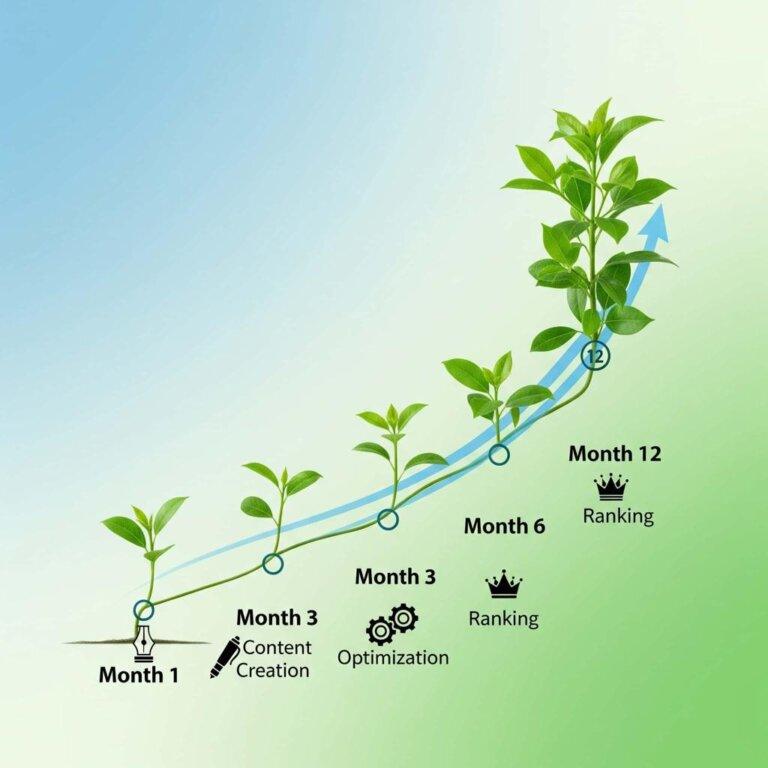
Blogging & SEO Growth Image
Internal Links:
- https://moneyonliners.com/on-page-seo-guide/
- https://moneyonliners.com/technical-seo-guide/
- https://moneyonliners.com/first-500-online-roadmap/
Common Keyword Research Mistakes
Keyword research can significantly improve SEO performance when done correctly, but many beginners make mistakes that slow down rankings, reduce traffic, and weaken overall website growth. Understanding these mistakes early helps build a stronger SEO foundation and improves long-term results.
1. Targeting Extremely Competitive Keywords Too Early
One of the most common beginner mistakes is targeting broad, high-competition keywords immediately.
Examples include:
- SEO
- blogging
- affiliate marketing
- make money online
These keywords are usually dominated by high-authority websites with:
- Strong backlink profiles
- Years of content history
- Large SEO teams
- Massive topical authority
For newer websites, targeting these keywords often leads to:
- Poor rankings
- Low visibility
- Discouragement
- Weak Search Console growth
A better strategy is focusing on long-tail keywords such as:
- keyword research for beginners in 2026
- realistic affiliate marketing strategies for beginners
- how to start blogging with no experience
Long-tail keywords are easier to rank for and usually attract more targeted visitors.
2. Ignoring Search Intent
Many beginners focus only on keywords without understanding what users actually want.
For example:
Keyword:
- best SEO tools
Possible search intents:
- comparing tools
- reading reviews
- looking for free options
- wanting beginner recommendations
If your article does not match the user’s intent, rankings become much harder.
Google prioritizes pages that satisfy search intent because user satisfaction is a major ranking factor.
Strong keyword research should always ask:
- What problem is the user trying to solve?
- What information are they expecting?
- Are they beginners or advanced users?
- Do they want information or want to buy something?
Understanding search intent improves:
- CTR
- Time on page
- Engagement
- User satisfaction
- Rankings
3. Keyword Stuffing
Keyword stuffing means repeating the same keyword excessively in unnatural ways.
Example of poor optimization:
“Keyword research is important because keyword research helps keyword research beginners improve keyword research rankings.”
This hurts:
- Readability
- User trust
- Content quality
- SEO performance
Modern SEO focuses on:
- Natural writing
- Semantic relevance
- Topic depth
- User experience
Instead of repeating one phrase constantly, use:
- Related keywords
- Variations
- Synonyms
- Contextual phrases
Example:
- keyword strategy
- long-tail keywords
- SEO keyword research
- search intent
- content optimization
This creates more natural and helpful content.
4. Publishing Thin Content
Thin content lacks depth, examples, structure, or useful information.
Many beginners create:
- Very short articles
- Generic content
- Surface-level explanations
- Weak introductions
- No examples or case studies
Google increasingly rewards comprehensive helpful content that demonstrates:
- Experience
- Expertise
- Authority
- Trustworthiness
Strong keyword research articles should include:
- Real examples
- Beginner explanations
- Case studies
- Internal links
- Helpful visuals
- Step-by-step guidance
Content depth improves:
- User behavior signals
- Time on page
- Engagement
- Topical authority
5. Ignoring Internal Linking
Internal linking is one of the most overlooked SEO strategies.
Many beginners publish articles without connecting them together.
This weakens:
- Website structure
- User navigation
- Google crawling
- Topic relationships
- Topical authority
For example, a keyword research guide should naturally link to:
- On-Page SEO
- Technical SEO
- Blogging SEO
- Search Intent
- Affiliate Marketing
- Content Strategy
Internal linking helps:
- Users discover more content
- Increase page views
- Improve crawlability
- Strengthen topical relevance
Good internal linking also improves user behavior signals because visitors spend more time exploring your website.
6. Not Updating Keyword Research Over Time
SEO changes constantly.
Search trends evolve, competition changes, and user behavior shifts over time.
Many beginners publish articles once and never update them again.
This weakens:
- Freshness signals
- Search relevance
- CTR potential
- Ranking opportunities
Updating keyword research regularly helps:
- Improve titles
- Refresh examples
- Add newer statistics
- Improve topical depth
- Match current search trends
Adding freshness indicators like:
- 2026 Guide
- Updated SEO Strategy
- Latest Keyword Research Methods
can improve visibility and CTR.
7. Ignoring Google Search Console Data
Google Search Console is one of the most powerful free SEO tools available.
Many beginners ignore it completely.
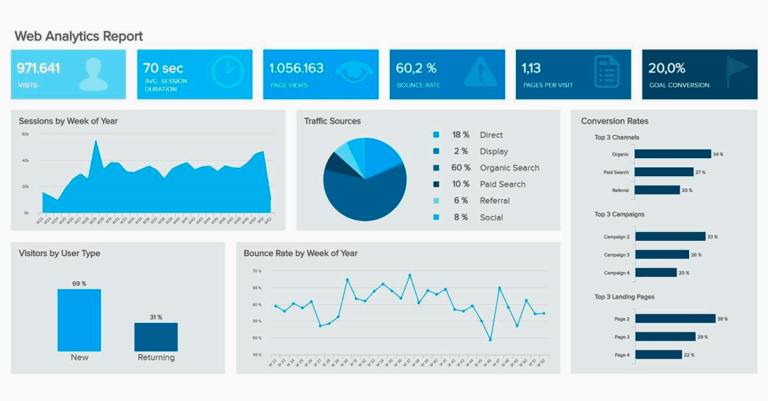
Search Console helps identify:
- Keywords generating impressions
- Pages with high CTR
- Pages with poor engagement
- Ranking opportunities
- Indexing issues
Over time, Search Console maturity becomes extremely valuable because Google starts associating your website with specific topics and search behaviors.
Using Search Console data helps improve:
- Keyword targeting
- Content optimization
- Internal linking
- User engagement
- SEO strategy decisions
8. Creating Random Unrelated Content
Publishing unrelated articles weakens topical authority.
Example:
A blogging website suddenly publishing unrelated technology repair articles.
This confuses:
- Users
- Search engines
- Google topic understanding
Strong websites usually focus on connected topic clusters.
Example:
- Keyword Research
- Blogging SEO
- Content Optimization
- Technical SEO
- Search Intent
- Affiliate Marketing SEO
This consistency helps Google understand your niche expertise.
9. Ignoring User Experience
SEO is not only about rankings.
Poor user experience hurts:
- Engagement
- CTR
- Bounce rates
- Time on page
Bad user experience examples:
- Huge text blocks
- Poor readability
- Slow-loading pages
- No images
- Weak headings
- Too many ads
Good keyword research content should be:
- Easy to read
- Organized clearly
- Helpful for beginners
- Visually structured
- Engaging
Improving user experience strengthens:
- User behavior signals
- Search rankings
- Trustworthiness
10. Expecting Instant SEO Results
One of the biggest mistakes beginners make is expecting fast rankings.
SEO growth takes time because Google needs to:
- Crawl your pages
- Understand your topics
- Measure engagement
- Evaluate trust signals
- Analyze user behavior
Strong SEO growth usually comes from:
- Consistency
- Topical authority
- Helpful content
- Long-term publishing
- Gradual Search Console maturity
Keyword research is a long-term investment, not an overnight shortcut.
Final Insight on Keyword Research Mistakes
Most keyword research mistakes happen because beginners focus only on rankings instead of focusing on users.
The strongest SEO strategy combines:
- Helpful content
- Search intent understanding
- Topical authority
- User engagement
- EEAT signals
- Internal linking
- Long-tail keyword targeting
- Consistency over time
Avoiding these common mistakes helps build a stronger SEO foundation and creates better long-term growth opportunities for newer websites.
Final Thoughts
Keyword research is no longer just a basic SEO task in 2026. It has become one of the most important long-term growth strategies for websites, bloggers, affiliate marketers, freelancers, and online business owners who want sustainable organic traffic from Google.
Many beginners think SEO is about adding random keywords into articles, but real keyword research goes much deeper than that. Strong keyword research helps you understand what users actually want, how search intent works, which topics Google values, and how to build content that solves real problems for readers.
The websites that succeed long term are usually not the ones chasing shortcuts or unrealistic SEO tricks. Instead, they focus on:
- Helpful beginner-friendly content
- Strong topical authority
- Clear website structure
- Internal linking
- Search intent optimization
- EEAT signals
- User engagement
- Consistency over time
One of the biggest advantages of keyword research is that it helps beginners compete realistically. Instead of trying to rank for impossible broad keywords immediately, newer websites can target long-tail keyword opportunities that have lower competition and clearer user intent.
For example, trying to rank for:
- SEO
is far more difficult than targeting:
- keyword research for beginners in 2026
or:
- how to find long-tail keywords for blogs
These more specific keywords often bring:
- Better click-through rates
- More engaged users
- Longer time on page
- Better conversion potential
- Faster ranking opportunities
Another important lesson is that Google increasingly rewards websites that demonstrate trust, expertise, and topical consistency. This means your content should not feel random or disconnected. Instead, your website should guide users through connected learning journeys.
For example, a strong SEO content structure might connect:
- Keyword Research
- Search Intent
- On-Page SEO
- Technical SEO
- Internal Linking
- Blogging SEO
- Content Strategy
This helps both users and search engines better understand your expertise.
Search Console maturity is also an important part of long-term SEO success. Many beginners become discouraged because they expect instant rankings or traffic growth. In reality, Google needs time to:
- Understand your website
- Analyze user behavior
- Evaluate engagement signals
- Measure content quality
- Associate your website with specific topics
As your content library grows and your keyword research improves, your Search Console data becomes more powerful. You start discovering:
- Which pages users engage with most
- Which keywords generate impressions
- Which titles improve CTR
- Which topics deserve more content depth
This gradual process helps websites grow stronger over time.
Keyword research also improves user behavior signals because targeted content attracts users who genuinely want the information you provide. When visitors find your content useful, they:
- Stay longer on pages
- Visit more articles
- Click internal links
- Return to your website later
- Share your content naturally
These engagement signals strengthen long-term SEO performance.
Backlinks, topical authority, internal linking, and EEAT all work together with keyword research. This is why modern SEO should always focus on building a complete content ecosystem instead of isolated articles.
At MoneyOnliners.com, our goal is to help beginners understand realistic online growth strategies without hype or unrealistic promises. Learning keyword research is one of the most valuable long-term skills because it helps people:
- Build sustainable organic traffic
- Understand user intent
- Create helpful content
- Improve SEO visibility
- Build trust gradually
- Develop long-term online income systems
The most important thing is consistency. SEO growth compounds slowly over time. Every optimized article, internal link, helpful guide, case study, and user-focused improvement strengthens your website little by little.
Keyword research is not just about ranking pages. It is about understanding people, solving problems, building authority, and creating content that remains useful long after it is published.
Useful Internal Links:


8 Comments