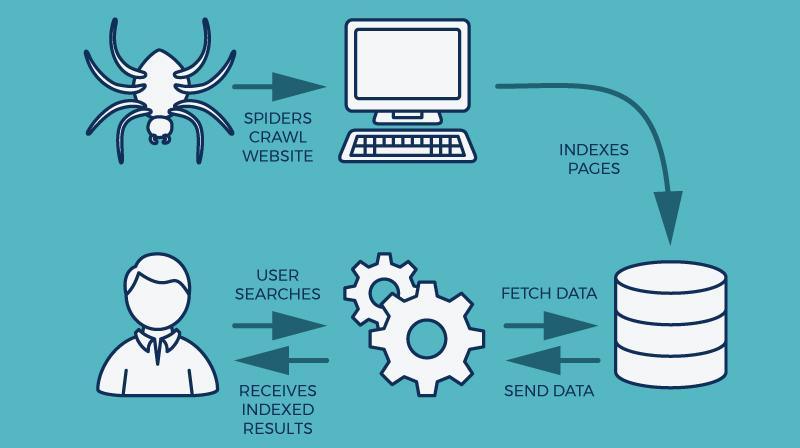
How Google Really Finds and Indexes New Websites
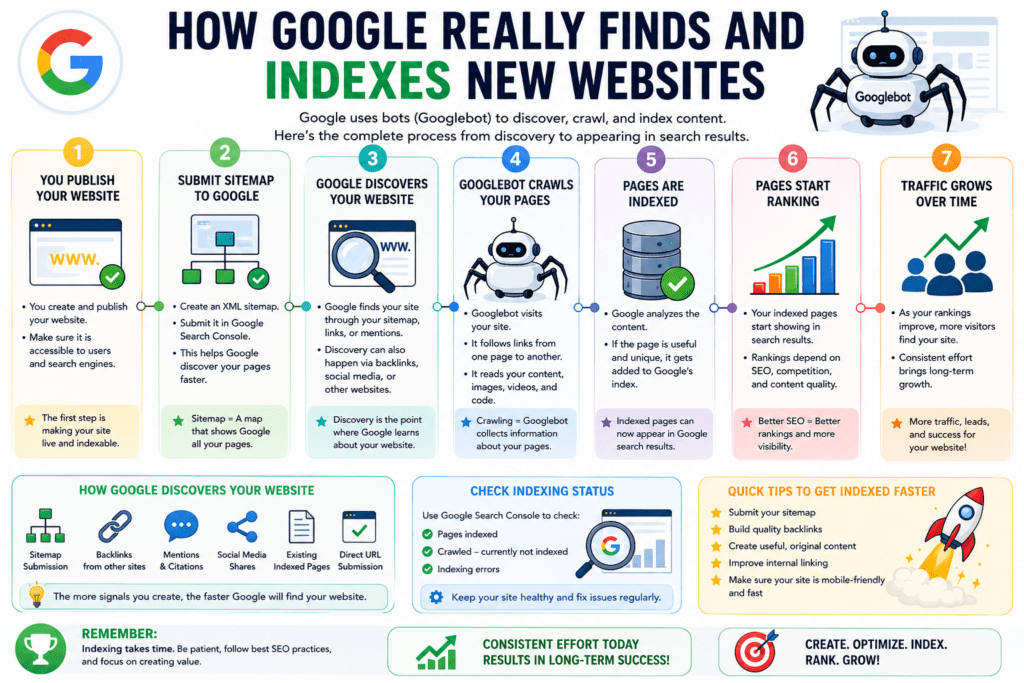
How Google Really Finds and Indexes New Websites (2026 Beginner Guide)
By MoneyOnliners Editorial Team
Last Updated: June 2026
Fact-Checked & Reviewed
Why Many New Website Owners Get Confused About Indexing
One of the biggest questions new website owners ask is:
“How does Google actually find my website?”
After launching a new website, many beginners expect Google to immediately discover every page and start sending traffic.
Then days pass.
Sometimes weeks pass.
And nothing seems to happen.
No traffic.
No rankings.
No clicks.
This uncertainty often leads to frustration and confusion.
The reality is that Google follows a process before your content can appear in search results. Understanding How Google Really Finds and Indexes New Websites can help you avoid common mistakes and focus on the actions that actually help Google discover your content.
Many beginners assume that publishing an article automatically means Google knows it exists.
That isn’t always true.
Google first needs to discover your website, crawl your pages, understand your content, and decide whether it should be added to its search index.
Only after that process can rankings and traffic begin.
The good news is that once you understand How Google Really Finds and Indexes New Websites, you’ll know exactly what to do to help Google find your content faster and improve your chances of appearing in search results.
In this guide, you’ll learn:
How Google discovers new websites
What crawling actually means
What indexing really means
Why some pages never get indexed
How Search Console helps
Common indexing mistakes
How to improve your indexing rate
If you’re building a new website, also read:
👉 How Long Does SEO Take for a New Website?
https://moneyonliners.com/how-long-does-seo-take-for-a-new-website/
👉 Why Most Beginner Blogs Fail in the First 6 Months
https://moneyonliners.com/why-most-beginner-blogs-fail-in-the-first-6-months/
These guides explain what happens after indexing and how SEO growth develops over time.
Quick Answer
If you’re wondering How Google Really Finds and Indexes New Websites, the process usually looks like this:
Step 1
Google discovers your website.
Step 2
Google crawls your pages.
Step 3
Google analyzes your content.
Step 4
Google decides whether to index the page.
Step 5
Indexed pages become eligible to rank.
Discovery → Crawling → Indexing → Ranking
That’s the process every website follows.
Table of Contents
How Google Really Finds and Indexes New Websites
What Is Crawling?
What Is Indexing?
How Google Discovers New Pages
Why Some Pages Never Get Indexed
Search Console and Indexing
Common Indexing Mistakes
Frequently Asked Questions
Search Console Setup
XML Sitemap Explained
Real Indexing Case Studies
Common Indexing Mistakes
How Long Indexing Takes
Google Crawl Budget
Why Understanding How Google Really Finds and Indexes New Websites Matters
Research Methodology
Google Search Console Checklist
Strong Final Thoughts
About the Author
More Internal and External Links
How Google Really Finds and Indexes New Websites
Think of Google as a giant library.
Before a book can appear on a shelf, the librarian must first know the book exists.
Websites work the same way.
Google cannot rank pages it hasn’t discovered.
This is why understanding How Google Really Finds and Indexes New Websites is one of the most important SEO concepts for beginners.
Google must discover and index pages before they can rank.
What Is Crawling?
Crawling is Google’s process of visiting web pages.
Google uses automated software called:
Googlebot
Googlebot travels across the internet finding:
Websites
Articles
Images
Videos
Links
When Googlebot visits your website, it reads your content and follows links to other pages.
Think of Googlebot as a digital explorer.
Its job is to discover information.
What Is Indexing?
After crawling a page, Google decides whether it should be added to its index.
The index is Google’s database of searchable content.
If a page is indexed:
✔ It can appear in search results.
If a page is not indexed:
❌ It cannot rank.
This is why indexing matters so much.
A page must be indexed before SEO can work.
How Google Discovers New Websites
One of the most misunderstood parts of How Google Really Finds and Indexes New Websites is discovery.
Google discovers new websites through several methods.
Method #1: Links From Other Websites
When another website links to yours, Google may follow that link.
This is one reason backlinks remain important.
Method #2: XML Sitemaps
A sitemap tells Google which pages exist on your website.
Most WordPress SEO plugins automatically generate sitemaps.
Examples:
Yoast SEO
Rank Math
Method #3: Google Search Console
Search Console allows website owners to directly submit URLs.
This is one of the fastest ways to notify Google about new content.
👉 Google Search Console
https://search.google.com/search-console/
Mini Case Study
A new website published:
15 articles
XML sitemap
Search Console connection
Results:
First pages indexed within days
More pages discovered over the following weeks
Search Console significantly accelerated discovery.
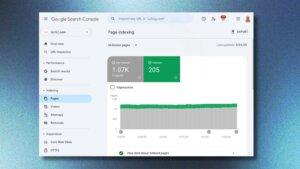
Search Console helps Google discover new content faster.
Why Some Pages Never Get Indexed
Not every page gets indexed.
Common reasons include:
Thin Content
Very short pages often struggle.
Duplicate Content
Google may ignore duplicate pages.
No Internal Links
Pages disconnected from the website are harder to discover.
Crawl Issues
Technical problems can block crawling.
Low Quality Signals
Google may decide a page adds little value.
Internal Links Help Google Find Content
One reason internal linking is important is because it helps Google discover additional pages.
For example:
This article should connect to:
👉 How Online Income Actually Works
https://moneyonliners.com/how-online-income-actually-works/
👉 How Long Does SEO Take for a New Website?
https://moneyonliners.com/how-long-does-seo-take-for-a-new-website/
👉 Why Most Beginner Blogs Fail in the First 6 Months
https://moneyonliners.com/why-most-beginner-blogs-fail-in-the-first-6-months/
The stronger your internal linking structure, the easier it becomes for Google to crawl your site.
How Long Does Google Take to Index a New Website?
One of the most common questions beginners ask after launching a website is:
“How long will it take Google to index my pages?”
The honest answer is:
It depends.
Some pages get indexed within hours.
Others take days, weeks, or even months.
This is why understanding How Google Really Finds and Indexes New Websites is important. Indexing is not automatic, and every website experiences a different timeline.
Typical Indexing Timeline
| Website Condition | Typical Indexing Time |
|---|---|
| Submitted via Search Console | Hours to Days |
| Sitemap Submitted | Days to Weeks |
| No Sitemap or Links | Weeks to Months |
| Strong Authority Website | Minutes to Hours |
| Brand-New Website | Days to Weeks |
New websites generally take longer because Google has little trust and limited information about them.
Search Console: Your Most Important Indexing Tool
If you’re serious about learning How Google Really Finds and Indexes New Websites, Google Search Console should be one of the first tools you set up.
Google Search Console allows you to:
✔ Submit new URLs
✔ Check indexing status
✔ Monitor impressions
✔ Identify crawl issues
✔ View keyword performance
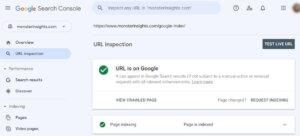
How to Submit a URL
Open Search Console
Paste your page URL into URL Inspection
Click “Request Indexing”
This sends a signal to Google that a new page is available.
👉 Google Search Console
https://search.google.com/search-console/
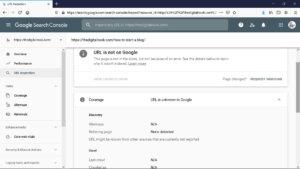
URL Inspection is one of the fastest ways to notify Google about new content.
What Is an XML Sitemap?
An XML sitemap is a file that lists important pages on your website.
Think of it as a roadmap for Google.
Instead of making Google discover pages randomly, a sitemap helps Google understand what content exists.
Example Sitemap URL
For many WordPress websites:
yourdomain.com/sitemap_index.xml
If you’re using:
Yoast SEO
Rank Math
your sitemap is often generated automatically.
Why Sitemaps Matter
Sitemaps help Google:
Discover pages faster
Crawl more efficiently
Understand website structure
While Google can find pages without a sitemap, submitting one often improves discovery.
Official Google Resource
👉 Google Sitemaps Documentation
https://developers.google.com/search/docs/crawling-indexing/sitemaps/overview
Real Indexing Case Study #1
New Blog Website
Starting Point:
Brand-new domain
No backlinks
10 published articles
Actions Taken:
Submitted sitemap
Connected Search Console
Requested indexing
Results:
Most articles indexed within two weeks
Search impressions began appearing shortly after
The website owner made it easy for Google to discover content.
Real Indexing Case Study #2
Website Without Search Console
Starting Point:
New website
No sitemap submission
No Search Console
Results:
Several pages remained undiscovered
Slow indexing progress
After connecting Search Console:
Discovery improved
More pages entered the index
The lesson:
Search Console accelerates communication with Google.
What Is Crawl Budget?
Another important concept in How Google Really Finds and Indexes New Websites is crawl budget.
Crawl budget refers to the amount of attention Google gives your website.
Large websites:
Thousands of pages
Frequent updates
receive more crawling activity.
Small websites:
Few pages
Little authority
may be crawled less frequently.
Most beginners don’t need to worry about crawl budget immediately.
The bigger priority is creating quality content.
Why Google Sometimes Crawls But Doesn’t Index
One confusing situation is:
Crawled – Currently Not Indexed
This means:
✔ Google visited the page
✔ Google analyzed the page
❌ Google chose not to index it
Common reasons include:
Thin Content
The page lacks depth.
Duplicate Information
The page adds little new value.
Weak User Experience
The page may not appear useful.
Low Authority
Google may want more signals before indexing.
This is one reason quality matters.
Common Indexing Mistakes
Mistake #1: Blocking Google
Many beginners accidentally block search engines through:
Robots.txt settings
WordPress visibility settings
Always verify your website allows search engine indexing.
Mistake #2: Publishing Thin Content
A 200-word article rarely performs as well as a comprehensive guide.
Google prefers useful content.
Mistake #3: No Internal Links
Pages without internal links can become isolated.
Google may struggle to discover them.
Mistake #4: Ignoring Search Console
Many website owners never check Search Console.
This means they miss important indexing issues.
Mistake #5: Expecting Immediate Results
Google discovery and indexing require patience.
Even excellent content may take time.
How Internal Linking Improves Indexing
Internal links help Google discover additional content.
For example, this article naturally connects to:
👉 How Long Does SEO Take for a New Website?
https://moneyonliners.com/how-long-does-seo-take-for-a-new-website/
👉 Why Most Beginner Blogs Fail in the First 6 Months
https://moneyonliners.com/why-most-beginner-blogs-fail-in-the-first-6-months/
👉 How Online Income Actually Works
https://moneyonliners.com/how-online-income-actually-works/
The stronger your website structure becomes, the easier it is for Google to find pages.
Recommended External Resources
If you want to learn more about How Google Really Finds and Indexes New Websites, these resources are excellent:
👉 Google Search Central
https://developers.google.com/search
👉 Google SEO Starter Guide
https://developers.google.com/search/docs/fundamentals/seo-starter-guide
👉 Google Search Console
https://search.google.com/search-console/
👉 Moz Beginner’s Guide to SEO
https://moz.com/beginners-guide-to-seo
👉 Ahrefs Blog
https://ahrefs.com/blog/
These resources provide additional information about crawling, indexing, SEO, and website growth.
Quote Box
Google cannot rank pages it has not discovered, and it cannot discover pages it cannot crawl.
Understanding this simple principle explains much of how Google indexing works.
Why Understanding How Google Really Finds and Indexes New Websites Matters
Understanding How Google Really Finds and Indexes New Websites is one of the most important SEO skills a website owner can learn. Many beginners focus entirely on rankings and traffic without realizing that Google must first discover and index their content before any ranking can happen.
One reason How Google Really Finds and Indexes New Websites is so important is that indexing is the foundation of SEO. If Google cannot find your pages, it cannot evaluate them. If it cannot evaluate them, they cannot appear in search results.
Another key lesson from How Google Really Finds and Indexes New Websites is that indexing is not automatic. Publishing a page does not guarantee Google will immediately discover it. Website structure, internal links, sitemaps, backlinks, and Search Console all influence discovery.
Many website owners researching How Google Really Finds and Indexes New Websites are surprised to learn that Google often discovers websites through links. This is one reason backlinks remain important in modern SEO.
The process behind How Google Really Finds and Indexes New Websites also highlights the importance of quality content. Google may crawl a page and still decide not to index it if the content appears weak, duplicated, or unhelpful.
As you continue learning How Google Really Finds and Indexes New Websites, remember that crawling and indexing are different processes. A page can be crawled without being indexed, and understanding that distinction can help diagnose SEO issues.
Many successful websites grow because their owners understand How Google Really Finds and Indexes New Websites and make it easy for Google to discover content through strong internal linking, quality publishing, and proper technical setup.
One advantage of understanding How Google Really Finds and Indexes New Websites is that it allows you to focus on actions that improve visibility instead of guessing why pages are not appearing in search results.
The websites that consistently grow are often built by people who understand How Google Really Finds and Indexes New Websites and continuously improve crawlability, content quality, and user experience.
Ultimately, How Google Really Finds and Indexes New Websites is not just about getting indexed. It is about building a website that Google wants to discover, understand, and recommend to users.
Incoming Links for This Article
Incoming links, also called backlinks, are links from other websites that point to your article. They help Google discover your content faster and can improve trust over time.
For this article, How Google Really Finds and Indexes New Websites, your best incoming link opportunities should come from places where people are already asking about SEO, indexing, Google Search Console, blogging, and new website traffic.
Best Incoming Link Targets
Try to get incoming links from:
LinkedIn posts about SEO and blogging
Medium articles about Google indexing
Quora answers about why Google has not indexed a website
Reddit discussions about Search Console and new websites
Blogger resource pages about SEO tools
Guest posts on blogging or SEO websites
Pinterest pins linking to your guide
Facebook blogging groups where allowed
Website setup tutorials that mention indexing
Roundup posts about beginner SEO resources
Example Incoming Link Anchor Text
When another website links to your article, these anchor texts would work well:
How Google Really Finds and Indexes New Websites
how Google indexes new websites
Google indexing guide for beginners
how to get a new website indexed
why Google has not indexed my website
Google Search Console indexing guide
new website SEO indexing tips
how Google discovers new pages
Example Backlink Outreach Message
Hi, I recently published a beginner-friendly guide on how Google really finds and indexes new websites. It explains crawling, indexing, sitemaps, Search Console, internal links, and common indexing mistakes in simple language.
I thought it might be useful for your readers because you already cover blogging, SEO, or website growth topics.
Here is the guide:
https://moneyonliners.com/how-google-really-finds-and-indexes-new-websites/
If you think it adds value, feel free to mention it as an additional resource in your article.
Best Places to Share This Article for Incoming Links
👉 LinkedIn
https://www.linkedin.com/
👉 Medium
https://medium.com/
👉 Quora
https://www.quora.com/
👉 Reddit
https://www.reddit.com/
👉 Pinterest
https://www.pinterest.com/
👉 Indie Hackers
https://www.indiehackers.com/
👉 Facebook Groups
https://www.facebook.com/groups/
Important Backlink Tip
Do not spam your link everywhere.
Google values natural, helpful links. Focus on sharing your article where it genuinely helps people understand indexing, crawling, Google Search Console, and new website SEO.
The best incoming links come from useful content, not forced promotion.
Continue Learning
Internal Resources
👉 How Online Income Actually Works
https://moneyonliners.com/how-online-income-actually-works/
👉 How Long Does SEO Take for a New Website?
https://moneyonliners.com/how-long-does-seo-take-for-a-new-website/
👉 Why Most Beginner Blogs Fail in the First 6 Months
https://moneyonliners.com/why-most-beginner-blogs-fail-in-the-first-6-months/
👉 How to Build a Freelance Portfolio With No Experience
https://moneyonliners.com/how-to-build-a-freelance-portfolio-with-no-experience/
👉 How to Get Your First Fiverr Review Fast
https://moneyonliners.com/how-to-get-your-first-fiverr-review-fast/
👉 Best Beginner Fiverr Gigs That Still Work in 2026
https://moneyonliners.com/best-beginner-fiverr-gigs-that-still-work-in-2026/
👉 Remote Work for Beginners
https://moneyonliners.com/remote-work-for-beginners/
Frequently Asked Questions
How does Google find a brand-new website?
Google typically discovers new websites through backlinks, XML sitemaps, Search Console submissions, and internal links.
Why is my page crawled but not indexed?
Google may decide not to index pages with thin content, duplicate content, weak authority, or limited value.
Does Google Search Console help indexing?
Yes. Search Console helps website owners submit URLs directly and monitor indexing status.
How long does indexing take?
Some pages are indexed within hours, while others may take days or weeks depending on website authority and content quality.
Can a website rank without being indexed?
No. Pages must be indexed before they become eligible to appear in search results.
Recommended External Resources
👉 Google Search Central
https://developers.google.com/search
👉 Google SEO Starter Guide
https://developers.google.com/search/docs/fundamentals/seo-starter-guide
👉 Google Search Console
https://search.google.com/search-console/
👉 Google Sitemaps Documentation
https://developers.google.com/search/docs/crawling-indexing/sitemaps/overview
👉 Moz Beginner’s Guide to SEO
https://moz.com/beginners-guide-to-seo
👉 Ahrefs Blog
https://ahrefs.com/blog/
👉 Search Engine Journal
https://www.searchenginejournal.com/
👉 Search Engine Land
https://searchengineland.com/
Research Methodology
This guide on How Google Really Finds and Indexes New Websites was developed using:
Google Search documentation
Search Console data
Website indexing case studies
SEO industry research
Website publishing experiences
Content marketing best practices
The recommendations focus on realistic indexing strategies and Google’s published guidance.
About the Author
Ramathan Busulwa is the founder and editor of MoneyOnliners.com, a website dedicated to helping beginners learn practical ways to earn income online through freelancing, remote work, blogging, digital skills, SEO, and online business opportunities.
After spending years researching online income methods and digital work opportunities, Ramathan created MoneyOnliners.com to provide realistic, beginner-friendly guidance for people who want to build sustainable income streams online.
Through MoneyOnliners.com, Ramathan publishes detailed guides on blogging, SEO, website growth, Google indexing, online income systems, freelancing, affiliate marketing, and digital career development.
Connect With Ramathan
🌐 Website: https://moneyonliners.com
📧 Contact: info@moneyonliners.com
Editorial Mission
To help beginners build realistic online income opportunities through education, skill development, SEO knowledge, and practical step-by-step guidance.
Google Search Console Checklist
✔ Add featured image
✔ Optimize image alt text
✔ Add internal links
✔ Add external authority links
✔ Submit sitemap
✔ Publish article
✔ Open Google Search Console
✔ Use URL Inspection
✔ Request Indexing
✔ Monitor indexing progress
Final Thoughts
Learning How Google Really Finds and Indexes New Websites can eliminate much of the confusion that beginners experience after launching a website.
Many people believe that publishing content automatically leads to rankings.
The reality is different.
Google must first:
Discover your page.
Crawl your page.
Understand your page.
Decide whether to index your page.
Evaluate your page against competitors.
Only then can rankings begin.
The websites that succeed are usually not the websites with the most shortcuts.
They are the websites that consistently publish useful content, build strong internal linking structures, earn incoming links from other websites, and make it easy for Google to understand their content.
If there is one lesson from understanding How Google Really Finds and Indexes New Websites, it is this:
Make discovery easy, make content valuable, and give Google reasons to trust your website.
Do that consistently, and your pages will have a much better chance of being discovered, indexed, and ranked over time.


2 Comments