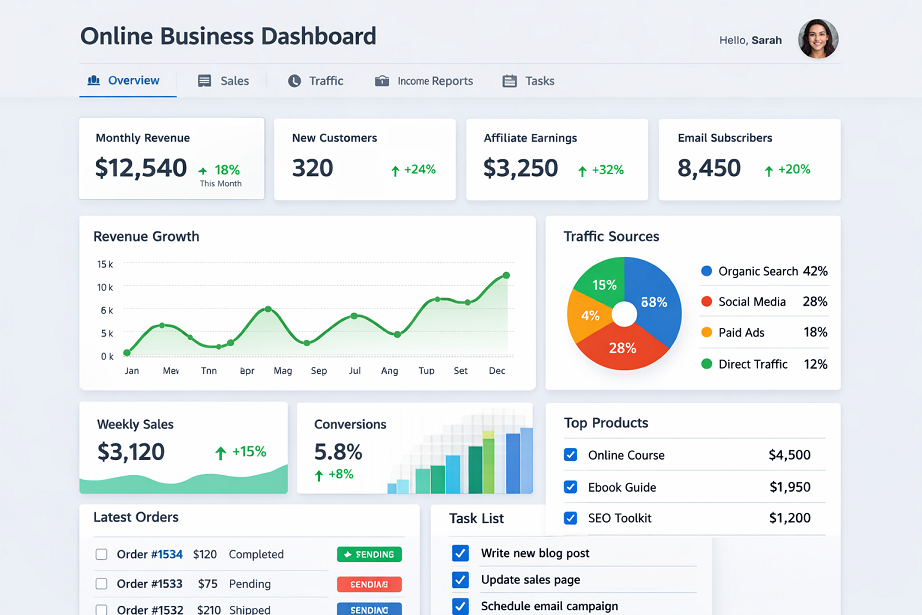
Essential Tools for Online Business: Boost Productivity, & Sales
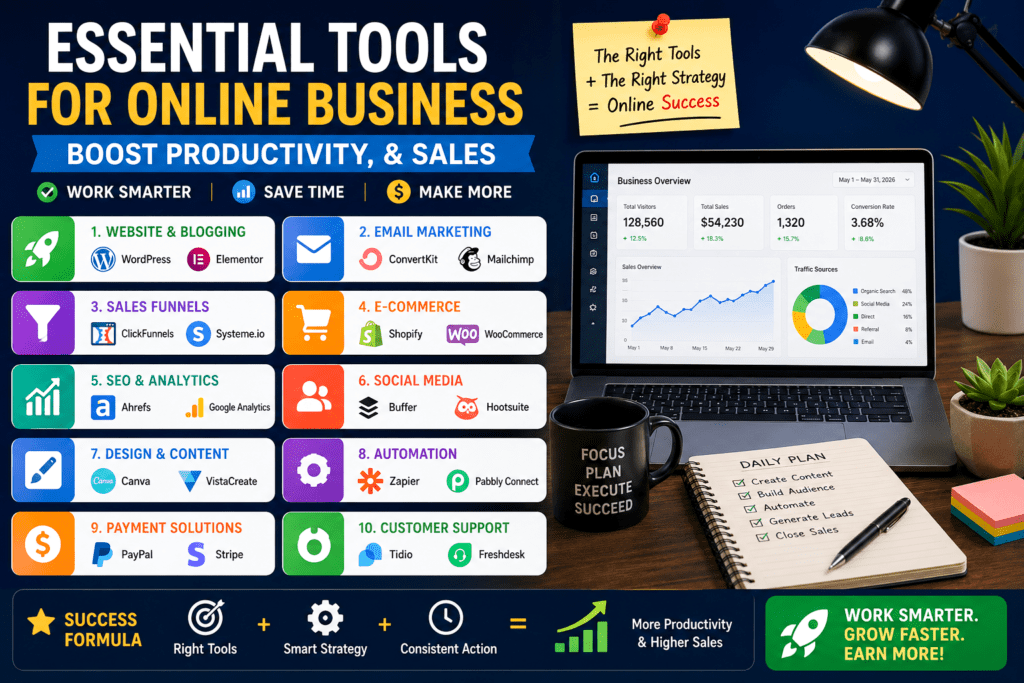
Essential Tools for Online Business in 2026 (Complete Beginner Guide)
Introduction
Building a successful online business in 2026 requires more than just motivation and ideas. Modern online businesses depend heavily on the right systems, platforms, SEO tools, payment solutions, productivity software, and digital marketing resources to grow efficiently. This is why understanding the essential tools for online business is extremely important for beginners, freelancers, bloggers, creators, and digital entrepreneurs.
Today’s online economy is highly competitive. Businesses must manage websites, SEO, content creation, social media, analytics, communication, customer support, email marketing, and payment systems while still maintaining strong user experiences. Without the right tools, many online businesses struggle with organization, visibility, productivity, and long-term growth.
The good news is that beginners now have access to many affordable and beginner-friendly platforms that simplify online business management. Whether you want to start blogging, freelancing, affiliate marketing, ecommerce, SEO services, or content creation, the right digital tools can help improve efficiency, automate tasks, increase traffic, and support long-term online income growth.
This complete beginner guide explains the essential tools for online business in 2026, including website platforms, SEO tools, productivity software, payment gateways, content creation tools, analytics systems, and marketing resources that help modern online businesses grow successfully.
Why Online Business Tools Matter in 2026
Understanding the essential tools for online business is becoming more important every year because the digital economy continues evolving rapidly. In 2026, online businesses must compete not only through content and products but also through efficiency, SEO performance, automation, branding, and user experience. Beginners who learn how to use the right systems early often build stronger long-term online businesses.
One reason the essential tools for online business matter so much is because they improve productivity. Online entrepreneurs often manage websites, content creation, SEO, customer communication, analytics, email marketing, and monetization systems at the same time. Without organized tools, managing all these tasks becomes overwhelming. Platforms like Notion help businesses organize projects, workflows, and content planning more efficiently.
SEO is another major reason the essential tools for online business are important in 2026. Search engines continue rewarding websites with strong technical optimization, useful content, internal linking, mobile responsiveness, and good user behavior signals. SEO tools help businesses monitor rankings, improve keyword research, analyze backlinks, and optimize website performance. Platforms like SEMrush help businesses improve long-term search visibility and organic traffic growth.
Website tools also remain part of the essential tools for online business because websites act as long-term digital assets. Unlike social media platforms that constantly change algorithms, websites provide more control over branding, monetization, SEO, and content management. Platforms like WordPress help beginners build scalable and SEO-friendly online businesses that can continue growing over time.
Content creation tools are becoming increasingly important because modern online audiences expect visually engaging and professional content experiences. Businesses now rely heavily on blog graphics, videos, thumbnails, presentations, and social media visuals to attract attention online. Tools like Canva allow beginners to create professional content designs even without advanced graphic design skills.
Another reason the essential tools for online business matter is email marketing. Email lists remain one of the most valuable long-term digital assets because businesses own direct communication with their audience. Unlike social media platforms, email systems provide more stable long-term audience relationships. Platforms like Brevo help businesses automate email campaigns, build subscriber lists, and improve audience engagement.
Analytics tools also play a major role in helping businesses understand performance. Modern online businesses rely heavily on data to improve decisions related to SEO, content strategy, user experience, and conversions. Platforms like Google Analytics help businesses monitor traffic, user behavior, bounce rates, and engagement metrics.
Payment systems are another important part of the essential tools for online business because online businesses must process transactions securely and professionally. Trusted payment gateways improve customer confidence and support ecommerce growth. Platforms like PayPal help freelancers, bloggers, affiliate marketers, and ecommerce businesses receive payments internationally.
AI tools are also transforming the future of online business in 2026. Businesses increasingly use AI for:
- Content research
- Workflow automation
- Productivity
- Customer support
- SEO assistance
- Content creation
Platforms like ChatGPT help businesses improve productivity while supporting content planning, brainstorming, and online research workflows.
Online businesses continue becoming more complex as competition increases worldwide.
Modern businesses rely on digital tools to:
- Improve productivity
- Manage content
- Track SEO
- Increase website traffic
- Process payments
- Communicate with customers
- Build email lists
- Analyze performance
- Improve user experience
Businesses using strong systems often operate more efficiently and scale faster over time.
Why Essential Tools for Online Business Matter More in 2026
The demand for essential tools for online business continues growing because modern businesses now depend heavily on digital systems to operate efficiently. Websites, SEO tools, email marketing platforms, analytics software, payment gateways, and productivity systems all help businesses improve organization, visibility, and long-term online growth. Beginners who understand how to use the right online business tools often build stronger systems than those trying to manage everything manually.
One important reason the essential tools for online business are valuable is because they help improve productivity and save time. Online entrepreneurs, bloggers, freelancers, and ecommerce businesses manage many different tasks daily including content creation, SEO, customer communication, analytics, and marketing. Productivity tools help simplify workflows, reduce stress, and improve efficiency so businesses can focus more on growth and audience building.
SEO platforms remain some of the most important essential tools for online business because online visibility depends heavily on search traffic. Tools like Google Search Console, SEMrush, and Ahrefs help businesses track keyword performance, monitor indexing, analyze competitors, and improve website optimization. Businesses that understand SEO usually create stronger long-term traffic systems over time.
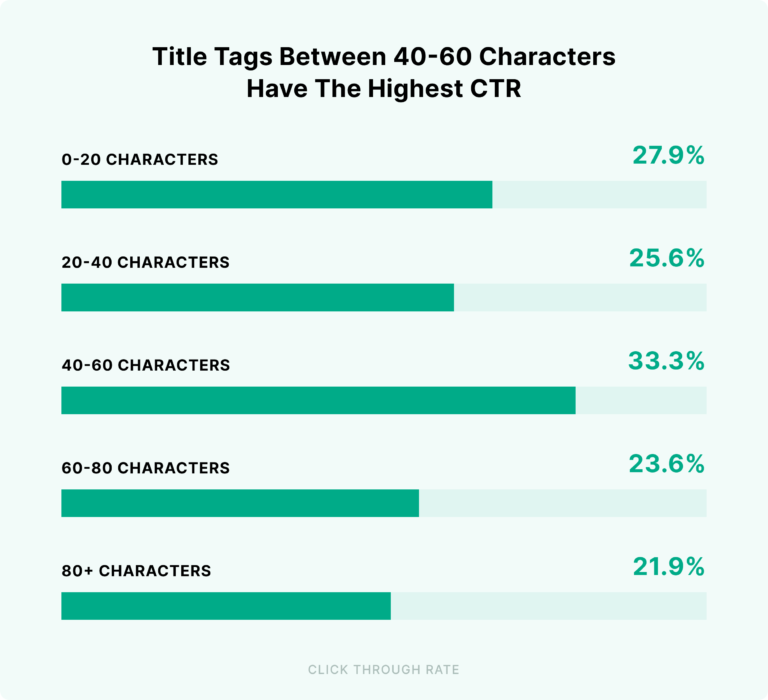
Another reason the essential tools for online business are important is because user experience has become a major ranking and growth factor online. Fast-loading websites, mobile-friendly layouts, organized content structures, and strong navigation systems all contribute to better engagement and stronger SEO performance. Website optimization tools help businesses improve user behavior signals such as session duration, click-through rates, and bounce rates, which often support long-term search visibility.
Content creation tools are also among the most valuable essential tools for online business because online audiences increasingly expect visually engaging and useful content. Businesses now rely on blog articles, videos, graphics, email campaigns, and social media content to attract traffic and build authority online. Tools like Canva and CapCut help beginners create professional content more easily without advanced technical skills.
Email marketing systems remain powerful essential tools for online business because email lists allow businesses to communicate directly with audiences over long periods of time. Unlike social media algorithms that constantly change, email marketing gives business owners more control over audience relationships, promotions, updates, and long-term customer engagement. Strong email systems often improve conversions, returning visitors, and long-term business stability.
Payment systems are another important part of the essential tools for online business because businesses need secure and trusted methods for receiving payments online. Platforms such as PayPal, Stripe, and Payoneer help businesses process transactions, support international clients, and build customer trust. Reliable payment systems are especially important for freelancers, ecommerce stores, affiliate marketers, and service providers.
Most importantly, the essential tools for online business help beginners build stronger long-term digital systems instead of depending entirely on temporary trends or manual work. Businesses that combine SEO, productivity tools, content creation systems, analytics platforms, and audience-building strategies often improve more steadily over time. As the digital economy continues expanding, understanding how to use the right online business tools may become one of the biggest advantages for long-term online growth and realistic online income success.

1. Website Platforms
Every online business needs a strong website foundation.
Website platforms remain one of the most important parts of the essential tools for online business because websites act as the foundation of most successful online businesses in 2026. Whether someone is building a blog, affiliate marketing business, ecommerce store, freelancing brand, online course platform, or digital product business, the website often becomes the central hub for content, SEO, branding, traffic, and monetization.
Unlike social media accounts that depend heavily on changing algorithms, websites give business owners more control over:
- Content ownership
- Branding
- SEO optimization
- Monetization systems
- Audience building
- User experience
- Analytics tracking
This long-term control is one reason websites are considered valuable digital assets.
One major reason website platforms are part of the essential tools for online business is flexibility. Modern website platforms allow businesses to:
- Publish blog content
- Create landing pages
- Sell products
- Capture leads
- Manage memberships
- Build email lists
- Improve SEO
All from one central system.
Among the most popular website platforms is WordPress. WordPress powers a large percentage of websites worldwide because of its flexibility, scalability, and SEO capabilities. Many bloggers, affiliate marketers, freelancers, and businesses prefer WordPress because it supports:
- Plugins
- SEO optimization
- Custom design
- Mobile responsiveness
- Ecommerce integration
- Long-term scalability
WordPress is especially beginner-friendly when combined with reliable hosting and page builders.
Website hosting also plays a critical role in online business success. A website platform performs much better when paired with stable hosting that improves:
- Website speed
- Security
- Uptime
- Performance
- User experience
Reliable hosting providers like Hostinger help beginners build websites with faster loading times and easier management systems.
Another reason website platforms matter is SEO performance. Search engines increasingly prioritize websites with:
- Fast loading speeds
- Mobile optimization
- Organized navigation
- Clear internal linking
- Helpful content structure
Strong website platforms help businesses improve these important SEO signals more effectively.
Website platforms also improve branding and professionalism. Businesses with organized websites often appear more trustworthy than businesses relying only on social media pages. A professional website allows businesses to create:
- About pages
- Contact pages
- Service pages
- Portfolio sections
- Testimonials
- Blog content
- Resource libraries
These trust-building sections help improve both conversions and EEAT signals.
Another important advantage of website platforms is monetization flexibility. Websites support multiple online income systems including:
- Affiliate marketing
- Display advertising
- Sponsored content
- Freelance services
- Ecommerce
- Memberships
- Digital products
- Coaching services
This flexibility allows businesses to expand and diversify income streams over time.
Website platforms also support better analytics tracking. Businesses can monitor:
- Traffic sources
- User behavior
- Conversion rates
- SEO performance
- Content engagement
- Mobile usability
This data helps improve decision-making and long-term optimization strategies.
Another reason website platforms are considered part of the essential tools for online business is content ownership. Social media accounts can lose visibility due to algorithm changes, restrictions, or account issues. Websites provide more stability because businesses maintain direct control over their content and digital assets.
Modern website platforms also integrate with many other important online business systems such as:
- SEO tools
- Email marketing platforms
- Payment gateways
- Analytics tools
- AI systems
- Ecommerce software
This integration helps businesses create more organized and scalable workflows.
Case studies across blogging, freelancing, affiliate marketing, and ecommerce consistently show that businesses investing in strong website foundations often build more sustainable long-term growth. Many successful creators started with simple WordPress websites and gradually expanded into larger online brands through SEO, content creation, and audience building.
However, beginners should avoid overcomplicating websites early. Some people install too many plugins, use cluttered layouts, or focus heavily on design instead of useful content and user experience. Strong online businesses usually focus on:
- Clean design
- Fast performance
- Helpful content
- SEO structure
- Mobile optimization
- Clear navigation
instead of unnecessary complexity.
Website platforms also contribute to Search Console maturity over time. Websites that continue publishing helpful content consistently often improve:
- Indexed pages
- Search impressions
- Organic traffic
- Topical authority
- User engagement
This gradual growth supports stronger long-term SEO performance.
In 2026, website platforms continue serving as one of the strongest foundations for online business growth. Businesses that combine strong website systems with SEO, useful content, internal linking, trust-building, and consistency often create stronger digital brands and more sustainable online income opportunities over time.
Websites help businesses:
- Build authority
- Publish content
- Attract traffic
- Sell products
- Capture leads
- Improve SEO visibility
Best Website Platforms
WordPress
WordPress remains one of the most powerful and flexible website platforms in the world.
It is widely used for:
- Blogging
- Affiliate marketing
- Ecommerce
- Business websites
- Online courses
- SEO-focused websites
Why WordPress Is Important
WordPress supports:
- SEO optimization
- Plugins
- Content management
- Website customization
- Mobile responsiveness
- Long-term scalability
Many successful blogs and online businesses rely on WordPress because of its flexibility and SEO capabilities.
Website Tools
One reason website platforms remain part of the essential tools for online business is because websites act as long-term digital assets. Unlike social media platforms that depend heavily on changing algorithms, websites give business owners more control over content, branding, SEO, and monetization systems. A well-optimized website can continue attracting traffic and generating income opportunities for years when managed properly.
Website tools also help businesses improve user experience and Search Console maturity signals. Fast-loading pages, mobile optimization, internal linking, clear navigation, and SEO-friendly structures all contribute to stronger long-term search visibility. Businesses that invest in website quality often improve engagement, trust, and long-term organic traffic growth.
2. SEO Tools
SEO remains one of the most important foundations for online business growth.
SEO tools remain one of the most important parts of the essential tools for online business because search engines continue driving a large percentage of long-term website traffic in 2026. Without SEO, many online businesses struggle to gain visibility, attract users, build authority, or generate sustainable organic growth.
Modern online businesses rely heavily on SEO tools to understand how search engines evaluate their websites. These tools help businesses improve:
- Keyword targeting
- Technical SEO
- Content optimization
- Internal linking
- Backlink analysis
- User behavior signals
- Website indexing
- Search visibility
Businesses that invest in strong SEO systems often build more stable long-term traffic compared to businesses relying only on social media or paid advertising.
One reason SEO tools are considered part of the essential tools for online business is keyword research. Understanding what users search for helps businesses create content that matches real search intent. Tools like SEMrush help businesses identify:
- High-traffic keywords
- Long-tail keyword opportunities
- Competitor strategies
- Ranking difficulty
- Search trends
This allows businesses to target topics more strategically and improve their chances of ranking on Google.
Another major SEO tool for beginners is Google Search Console. Search Console helps businesses monitor:
- Search impressions
- Click-through rates
- Indexed pages
- Technical SEO issues
- Keyword visibility
- Mobile usability
- Search performance
Google Search Console is especially valuable because it provides direct data from Google itself.
Backlink analysis tools also remain extremely important in 2026. Search engines continue using backlinks as trust and authority signals. Platforms like Ahrefs help businesses analyze:
- Backlink profiles
- Competitor backlinks
- Domain authority
- Link-building opportunities
- Content performance
Businesses with stronger backlink profiles often improve rankings more effectively over time.
Another reason SEO tools matter is technical optimization. Many beginners create content without realizing technical SEO issues may prevent proper indexing or rankings. SEO tools help identify problems such as:
- Broken links
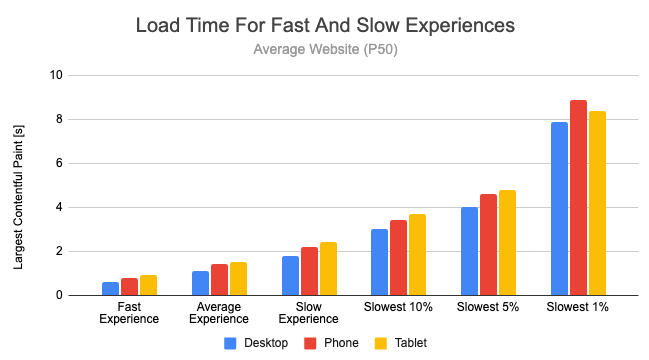
- Slow page speed
- Duplicate content
- Mobile usability issues
- Missing metadata
- Crawl errors
Fixing technical SEO problems improves both user experience and search engine visibility.
SEO tools also support content optimization. Modern SEO focuses heavily on:
- Helpful content
- Topical authority
- Readability
- User engagement
- Internal linking
- Search intent
SEO platforms help businesses create more organized and search-friendly content structures.
WordPress users often improve SEO using plugins like Rank Math. Rank Math helps optimize:
- Focus keywords
- SEO titles
- Meta descriptions
- Schema markup
- Internal linking
- XML sitemaps
- Content analysis
Plugins simplify SEO management for beginners while improving website organization.
Another major reason SEO tools are part of the essential tools for online business is user behavior analysis. Search engines increasingly evaluate how users interact with websites. SEO tools help businesses improve:
- Bounce rates
- Session duration
- CTR
- Mobile experience
- Navigation flow
- Content structure
Better user experiences often lead to stronger long-term rankings.
SEO tools also help businesses build topical authority. Websites that consistently publish organized content around related topics often perform better over time. For example, a website discussing:
- Blogging
- Affiliate marketing
- SEO
- Freelancing
- Online income systems
can strengthen topical authority by interlinking related content strategically.
Another advantage of SEO tools is competitor analysis. Businesses can study:
- Competitor keywords
- Ranking pages
- Content strategies
- Traffic sources
- Backlink profiles
This helps businesses identify opportunities and improve their own content strategies more effectively.
Case studies across blogging, ecommerce, affiliate marketing, and freelancing consistently show that businesses using strong SEO systems often achieve more stable long-term growth. Organic search traffic can continue generating visitors for months or years after content is published.
However, beginners should avoid depending entirely on SEO scores alone. Some people focus too heavily on plugin scores instead of creating genuinely helpful content. Modern SEO success usually comes from combining:
- Helpful content
- Strong user experience
- Topical depth
- Trust signals
- Internal linking
- Real expertise
- Consistency
instead of chasing only numerical SEO scores.
SEO also requires patience. Search engines often take time to:
- Crawl websites
- Evaluate content quality
- Measure user behavior
- Build trust signals
- Understand topical authority
Businesses that remain consistent with SEO usually build stronger long-term visibility over time.
In 2026, SEO tools continue becoming one of the strongest foundations for sustainable online business growth. Businesses that combine SEO tools with useful content, trust-focused branding, internal linking, and realistic strategies often create stronger authority, more stable traffic, and better long-term online income opportunities.
Without traffic, websites struggle to generate leads, sales, and long-term visibility.
Essential SEO Tools
Google Search Console
Google Search Console helps website owners monitor:
- Search impressions
- Click-through rates
- Indexing
- SEO performance
- Keyword visibility
- Technical issues
SEMrush
SEMrush helps businesses with:
- Keyword research
- Competitor analysis
- Backlink tracking
- SEO audits
- Content optimization
Ahrefs
Ahrefs remains one of the strongest SEO research platforms for:
- Keyword tracking
- Backlink analysis
- SEO learning
- Content research
Why SEO Tools Matter
SEO tools help businesses understand:
- Search intent
- User behavior
- Traffic opportunities
- Ranking improvements
- Technical SEO performance
Businesses that understand SEO often build stronger long-term online visibility.

3. Content Creation Tools
Content creation drives modern online marketing.
Content creation tools remain one of the most important parts of the essential tools for online business because modern online businesses depend heavily on content to attract traffic, build authority, improve SEO, and engage audiences. In 2026, businesses that consistently create high-quality content often perform better long term than businesses relying only on advertisements or short-term promotion strategies.
Today’s online audiences expect visually appealing, informative, and organized content experiences. Businesses now compete through:
- Blog articles
- Videos
- Social media content
- Infographics
- SEO content
- Email newsletters
- Tutorials
- Product reviews
- Educational resources
This is why content creation tools have become essential for freelancers, bloggers, affiliate marketers, ecommerce stores, and digital creators.
One major reason content creation tools matter is efficiency. Creating professional graphics, videos, presentations, thumbnails, and blog visuals manually can consume a large amount of time. Tools like Canva help beginners create professional-looking graphics, blog banners, social media posts, and marketing materials without advanced design skills.
Video content is also growing rapidly in 2026. Businesses increasingly use:
- YouTube videos
- TikTok content
- Instagram Reels
- Shorts
- Tutorials
- Product demonstrations
to increase visibility and engagement online. Tools like CapCut help creators edit videos more efficiently while improving visual quality and audience engagement.
Another reason content creation tools are part of the essential tools for online business is SEO. Search engines increasingly reward websites that publish:
- Helpful content
- Well-structured articles
- Optimized images
- Engaging media
- User-friendly layouts
High-quality content improves:
- Time on page
- User engagement
- Social shares
- Backlinks
- Search visibility
- Topical authority
Businesses that consistently create useful content often build stronger organic traffic over time.
Content creation tools also help improve branding. Consistent visuals, layouts, colors, and formatting make businesses appear more professional and trustworthy. Strong branding improves user recognition and helps websites stand out in competitive online markets.
Another important advantage of content creation tools is accessibility for beginners. In the past, professional design and editing required advanced technical skills. Modern tools now simplify:
- Graphic design
- Video editing
- Presentation creation
- Social media content
- AI-assisted writing
- Content planning
This allows beginners to create stronger online content even with limited experience.
AI content tools are also becoming increasingly important in 2026. Platforms like ChatGPT help businesses with:
- Content brainstorming
- SEO content planning
- Writing assistance
- Research support
- Productivity
- Idea generation
Businesses that combine AI tools with human creativity and real expertise often improve content production efficiency significantly.
Content creation tools also support affiliate marketing systems. Affiliate marketers often rely on:
- Product comparison graphics
- SEO articles
- Review layouts
- Tutorials
- Video demonstrations
to improve trust and conversion rates. Organized content often performs better because users understand offers more clearly.
Another reason content creation tools matter is audience engagement. Visual and interactive content often helps businesses:
- Increase social shares
- Improve retention
- Encourage repeat visits
- Build stronger communities
- Improve brand authority
Businesses that publish engaging content consistently usually create stronger audience loyalty over time.
Case studies across blogging, freelancing, YouTube, and affiliate marketing consistently show that businesses investing in high-quality content systems often outperform businesses publishing low-quality or inconsistent content. Helpful and visually organized content improves both SEO performance and audience trust simultaneously.
However, beginners should avoid focusing only on quantity. Publishing large amounts of weak content often hurts trust and engagement. Strong online businesses usually focus on:
- Quality
- Consistency
- User value
- SEO optimization
- Clear formatting
- Helpful information
instead of simply producing content rapidly.
In 2026, content creation tools are no longer optional for serious online business growth. Businesses that combine useful content, SEO optimization, strong branding, and consistent publishing often create stronger long-term authority, audience trust, and sustainable online income opportunities.
Businesses now depend heavily on:
- Blog articles
- Videos
- Graphics
- Social media content
- SEO articles
- Email newsletters
Best Content Creation Tools
Canva
Canva helps beginners create:
- Social media graphics
- Blog images
- Thumbnails
- Business presentations
- Marketing materials
CapCut
CapCut is widely used for:
- Short-form video editing
- TikTok videos
- Instagram Reels
- YouTube Shorts
Why Content Creation Tools Are Important
High-quality content improves:
- SEO
- User engagement
- Social visibility
- Brand authority
- Audience trust
Businesses producing useful and visually strong content often build stronger long-term online growth.
4. Email Marketing Tools
Email marketing remains one of the strongest long-term marketing systems.
Email marketing tools remain one of the most valuable parts of the essential tools for online business in 2026 because they help businesses build direct relationships with their audience. Unlike social media platforms that depend heavily on changing algorithms, email lists give businesses more long-term control over communication, promotions, and audience engagement.
Many successful online businesses rely heavily on email marketing because it supports:
- Audience building
- Traffic generation
- Product promotion
- Affiliate marketing
- Customer retention
- Lead generation
- Brand trust
- Returning website visitors
Businesses that build strong email systems often create more stable long-term online growth compared to businesses depending only on social media traffic.
One reason email marketing tools are considered part of the essential tools for online business is automation. Modern email platforms allow businesses to automate:
- Welcome emails
- Newsletter campaigns
- Product promotions
- Subscriber onboarding
- Lead nurturing
- Educational sequences
Automation helps businesses maintain communication consistently without manually sending every message.
Platforms like Brevo help beginners create automated email systems that improve engagement and audience relationships over time. Brevo is especially useful for beginners because it supports:
- Email campaigns
- Signup forms
- Automation workflows
- Subscriber management
- Transactional emails
- Marketing analytics
Another major reason email marketing tools matter is audience ownership. Social media platforms can change algorithms at any time, reducing visibility suddenly. Email lists provide businesses with direct access to subscribers without depending completely on external platforms. This makes email lists one of the strongest long-term digital assets online businesses can build.
Email marketing tools also improve SEO indirectly. While emails themselves may not directly increase Google rankings, they help:
- Bring returning visitors to websites
- Increase user engagement
- Improve traffic consistency
- Encourage content sharing
- Strengthen audience relationships
These user behavior signals can support stronger website performance over time.
Another important benefit of email marketing tools is personalization. Modern platforms allow businesses to segment subscribers based on:
- Interests
- User behavior
- Purchase activity
- Signup sources
- Engagement levels
Personalized communication often improves open rates, click-through rates, and conversions.
Businesses also use email marketing tools to support affiliate marketing systems. Many affiliate marketers grow by:
- Sharing helpful content
- Recommending tools
- Promoting tutorials
- Sending educational newsletters
Email systems help maintain trust-focused communication while increasing affiliate opportunities gradually.
Analytics features are another reason email marketing tools remain part of the essential tools for online business. Businesses can track:
- Open rates
- Click-through rates
- Subscriber growth
- Conversion performance
- Campaign engagement
This data helps businesses improve future marketing decisions and optimize communication strategies.
Email marketing also supports long-term brand authority. Businesses that consistently provide:
- Helpful tips
- Educational content
- Realistic advice
- Useful resources
- Industry updates
often build stronger trust and audience loyalty over time.
Another major advantage is monetization flexibility. Email lists can support:
- Blog traffic
- Product launches
- Coaching offers
- Digital products
- Affiliate promotions
- Freelance services
- Membership communities
This makes email systems highly valuable for multiple online business models.
Case studies across blogging, affiliate marketing, and ecommerce consistently show that businesses with strong email marketing systems often perform better long term because they maintain direct relationships with their audience instead of relying entirely on search engines or social media algorithms.
However, beginners should avoid overly aggressive email strategies. Sending too many promotional emails, unrealistic income claims, or spam-style messaging can reduce trust and damage subscriber engagement. Modern audiences respond better to:
- Helpful content
- Honest communication
- Educational value
- Consistent branding
- Realistic messaging
Professional email marketing focuses more on relationship-building than constant selling.
In 2026, email marketing tools continue becoming one of the strongest foundations for sustainable online business growth. Businesses that combine strong email systems with SEO, useful content, and audience trust often create stronger long-term online income opportunities and more stable digital brands.
Businesses use email lists to:
- Build relationships
- Promote content
- Share offers
- Increase returning visitors
- Improve conversions
Recommended Email Marketing Tools
Brevo
Brevo is useful for:
- Email campaigns
- Automation
- Lead capture
- Beginner-friendly email marketing
Mailchimp
Mailchimp remains popular for beginner email marketing systems.
Why Email Marketing Matters
Email lists become valuable digital assets because businesses own direct communication with audiences.
Unlike social platforms, email lists remain more stable long term.

5. Payment Gateways
Online businesses need reliable payment systems.
Payment gateways remain one of the most important parts of the essential tools for online business because every online business eventually needs a reliable way to receive payments securely and professionally. Whether someone is freelancing, selling digital products, running an ecommerce store, offering coaching services, or building affiliate-related businesses, trusted payment systems are critical for long-term online growth.
Modern online customers expect businesses to provide smooth, secure, and professional payment experiences. Websites without trusted payment methods often struggle with:
- Low customer trust
- Cart abandonment
- Reduced conversions
- Payment delays
- International transaction issues
This is why payment gateways are considered essential for serious online businesses in 2026.
One reason payment gateways are part of the essential tools for online business is trust. Customers feel safer purchasing products or services when they recognize trusted payment brands. Secure payment systems help improve professionalism and reassure users that their transactions are protected.
Platforms like PayPal remain widely trusted worldwide because they support:
- Secure online payments
- International transactions
- Buyer protection
- Freelance payments
- Ecommerce integration
Many beginners prefer PayPal because it is easy to set up and recognized globally.
Another important payment platform is Stripe. Stripe is popular among online businesses because it supports:
- Ecommerce stores
- Subscription payments
- Membership systems
- SaaS businesses
- Digital product sales
Stripe also integrates smoothly with many website platforms and online business tools.
Freelancers and remote workers often rely on Payoneer for international payments. Payoneer is useful for:
- Freelance marketplaces
- Cross-border payments
- International business transactions
- Online service businesses
This makes it especially valuable for global freelancers and digital entrepreneurs.
Another reason payment gateways matter is user experience. Smooth payment systems improve:
- Checkout speed
- Mobile usability
- Customer convenience
- Conversion rates
- Customer satisfaction
Complicated or unreliable payment processes often cause users to leave before completing purchases.
Payment gateways also support business scalability. As online businesses grow, they may begin handling:
- More customers
- International sales
- Subscription models
- Multiple currencies
- Recurring billing
Professional payment systems help businesses manage these larger transaction volumes more efficiently.
Another major advantage of payment gateways is automation. Modern payment systems often automate:
- Invoice generation
- Subscription billing
- Payment confirmations
- Refund management
- Transaction tracking
Automation reduces manual work and helps businesses operate more professionally.
Payment gateways also improve analytics and financial tracking. Businesses can monitor:
- Revenue performance
- Transaction history
- Customer purchases
- Refund activity
- Payment trends
This data helps businesses improve financial planning and growth strategies.
Security is another critical reason payment gateways are part of the essential tools for online business. Trusted payment platforms provide:
- Fraud protection
- Encryption
- Secure checkout systems
- Account monitoring
- Transaction verification
These protections help both businesses and customers feel safer online.
Payment systems also support multiple online business models including:
- Freelancing
- Affiliate marketing
- Blogging
- Ecommerce
- Digital products
- Coaching services
- Membership platforms
- Online courses
This flexibility allows businesses to diversify monetization systems over time.
Case studies across ecommerce, freelancing, and digital product businesses consistently show that professional payment systems improve customer trust and conversion rates. Businesses offering secure and recognizable payment options often perform better than businesses using weak or unreliable systems.
However, beginners should avoid overcomplicating payment setups early. Some businesses try integrating too many payment systems at once, which can create confusion and technical issues. Starting with simple, trusted platforms often works best during the early growth stages.
Another important factor is international accessibility. In 2026, many online businesses operate globally. Strong payment gateways help businesses accept payments from:
- Different countries
- Multiple currencies
- International clients
- Global ecommerce customers
This increases growth opportunities significantly.
Payment gateways also contribute to EEAT and trust signals. Professional websites that provide:
- Secure checkout pages
- Clear refund policies
- Transparent pricing
- Trusted payment systems
often build stronger customer confidence and long-term credibility.
In 2026, payment gateways continue serving as one of the strongest foundations for sustainable online business growth. Businesses that combine secure payment systems with SEO, strong branding, useful content, and positive user experiences often create stronger authority, customer trust, and long-term online income opportunities.
Payment gateways help businesses:
- Receive payments
- Process transactions
- Build trust
- Support ecommerce systems
Best Payment Platforms
PayPal
Widely trusted for online transactions.
Stripe
Popular for:
- Ecommerce
- Subscription businesses
- Online payments
Payoneer
Useful for freelancers and international payments.
6. Productivity Tools
Productivity tools help businesses stay organized and efficient.
Recommended Productivity Tools
Notion
Useful for:
- Content planning
- Project organization
- Business management
Trello
Helps teams manage workflows visually.
Google Workspace
Supports:
- Documents
- Collaboration
- Storage
- Communication
Why Productivity Tools Matter
Businesses using organized systems often:
- Save time
- Improve workflow
- Reduce mistakes
- Increase efficiency
User Behavior Signals and Online Business Growth
Search engines and platforms analyze:
- Engagement
- CTR
- Bounce rates
- Session duration
- Mobile experience
Businesses improving user experience often grow more effectively online.
Why EEAT Matters
Google increasingly rewards websites demonstrating:
- Experience
- Expertise
- Authoritativeness
- Trustworthiness
Strong content, real examples, useful resources, and transparent branding help improve EEAT signals.
Search Console Maturity Signals
Successful websites often improve through:
- Better indexing
- Increased impressions
- Stronger internal linking
- Better CTR
- More topical authority
- Improved content depth
SEO growth usually compounds gradually over time.
Case Study Example
A beginner blogger may start with a simple WordPress website and free SEO tools. By consistently improving content quality, using analytics tools, optimizing SEO, and building internal links, the website may gradually improve impressions and organic traffic over time.
Many successful online businesses started with simple systems before expanding into larger digital operations.
Example Testimony
“Once I started using proper SEO tools, email marketing systems, and productivity platforms, managing my online business became much easier. My traffic and organization improved significantly over time.”
Common Mistakes Beginners Make
Using Too Many Tools at Once
Too many systems create confusion.
Ignoring SEO
Traffic is critical for long-term growth.
Poor Website Optimization
Slow websites often hurt engagement.
Not Tracking Analytics
Data helps improve decisions.
Ignoring User Experience
User behavior signals matter greatly.
Why Patience Matters
Building a successful online business usually takes time.
Long-term online growth often depends on:
- Consistency
- SEO
- Content quality
- User trust
- Audience relationships
- Continuous improvement
Businesses that remain consistent often create stronger long-term opportunities.

Conclusion
Understanding the essential tools for online business is extremely important for beginners building modern digital businesses in 2026. Online success now depends heavily on strong systems, SEO tools, content platforms, analytics, productivity software, payment gateways, and audience-building strategies.
Whether you are starting a blog, freelancing business, affiliate website, ecommerce store, or content creation brand, the right tools can help improve efficiency, organization, visibility, and long-term online growth. Businesses that combine strong tools with SEO, consistency, and useful content often build stronger authority and sustainable online income systems over time.
The online economy will continue expanding, and digital tools will remain essential for businesses competing online. Beginners who learn how to use these tools effectively may position themselves for stronger opportunities in the future digital economy.
Start simple. Focus on useful systems. Improve gradually. Over time, those tools and skills can help support long-term online business growth and realistic digital income opportunities.
Suggested Internal Links
- https://moneyonliners.com/how-online-income-works/
- https://moneyonliners.com/how-to-earn-money-online-for-beginners/
- https://moneyonliners.com/realistic-online-income-guide/
- https://moneyonliners.com/best-freelance-skills-for-beginners/
- https://moneyonliners.com/keyword-research-2026/
One Comment