Technical SEO,If your site is slow or broken, Google will not rank it.
1. Site Speed Optimization
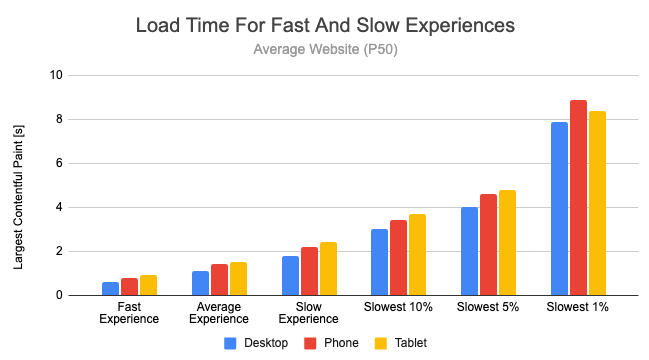
Speed directly affects rankings.
Test using:
- Google PageSpeed Insights
Fix:
- Compress images
- Use caching plugin
- Use CDN
- Avoid heavy themes
- Reduce unused plugins
Target:
Under 3 seconds load time.
2. Mobile-Friendliness
Most traffic is mobile.
Test using:
- Google Mobile-Friendly Test
Ensure:
- Text readable
- Buttons clickable
- No horizontal scroll
- Proper spacing
If mobile UX is poor → rankings drop.
3. SSL & Security
Your website must use HTTPS.
If not:
Google marks it unsafe.
Install SSL via hosting.
4. Clean URL Structure
Bad:
website.com/p=123?id=abc
Good:
website.com/make-money-online-guide
Short, clear, keyword-focused.
5. XML Sitemap
Create sitemap using:
- Yoast SEO plugin
- Rank Math
Submit it in:
Google Search Console
This helps Google crawl your pages faster.
6. Fix Broken Links
Broken links hurt SEO.
Use:
- Ahrefs
- Screaming Frog
- WordPress link checker plugins
What Matters Most for New Websites?
If you’re building from scratch:
Priority order:
- Keyword targeting
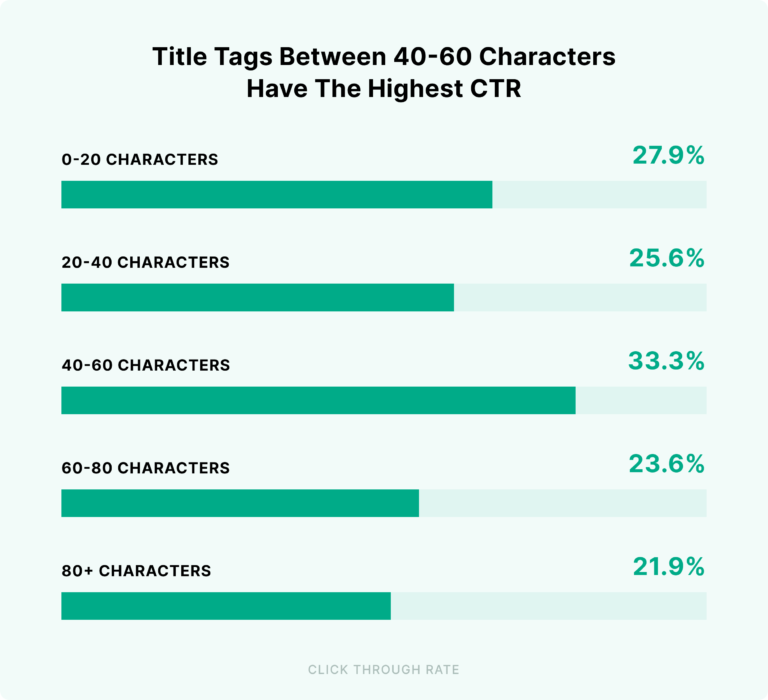
- Proper titles + headings
- Fast loading speed
- Internal linking
- Consistent content publishing
Don’t overcomplicate technical SEO in the beginning.
⚙️ Technical SEO (Backend Strength): The Foundation of High-Ranking Websites
Technical SEO is the engine behind your website. Even if your content is great, poor technical setup can stop your site from ranking on Google.
In this guide, you’ll learn how technical SEO works, how to fix it, and how it boosts your rankings, with real case studies and visuals.
🔍 What is Technical SEO?


Technical SEO focuses on optimizing your website’s backend so search engines can:
-
Crawl your site
-
Index your pages
-
Understand your content
-
Rank your website faster
👉 Think of it as making your website easy for Google to read
🚀 Why Technical SEO Matters
-
Improves rankings
-
Increases website speed
-
Enhances user experience
-
Boosts organic traffic
-
Fixes hidden errors
👉 Without technical SEO, your content may never be seen
🧱 Core Elements of Technical SEO
⚡ 1. Website Speed (Page Performance)


Speed is a ranking factor.
🔧 How to improve:
-
Compress images
-
Use fast hosting
-
Enable caching
-
Use lightweight themes
👉 Aim for under 3 seconds load time
📱 2. Mobile-Friendliness


Most users are on mobile.
🔧 Optimize by:
-
Using responsive design
-
Testing on mobile devices
-
Avoiding pop-ups that block content
🗺️ 3. Website Structure & Navigation


Your site should be easy to navigate.
✅ Best practices:
-
Clear categories
-
Internal linking
-
Simple URLs
👉 Example:moneyonliners.com/freelancing-guide
🤖 4. Crawling & Indexing

Search engines use bots to scan your site.
🔧 Tools:
-
XML sitemap
-
robots.txt
-
Google Search Console
👉 Make sure your pages are indexable
🔒 5. HTTPS & Security

Google prioritizes secure websites.
✅ Ensure:
-
SSL certificate installed
-
HTTPS enabled
-
No “Not Secure” warnings
🧩 6. Fixing Errors (Technical Health)


Errors hurt your rankings.
🚫 Common issues:
-
Broken links (404)
-
Duplicate content
-
Slow pages
-
Missing meta tags
👉 Use tools like:
-
Google Search Console
-
Screaming Frog
📊 Real Case Studies
📈 Case Study 1: Speed Optimization → Traffic Boost


Problem: Website loading in 6 seconds
Action:
-
Compressed images
-
Changed hosting
-
Enabled caching
Result:
-
Load time: 2 seconds
-
Traffic increased by 40%
-
Higher Google rankings
📱 Case Study 2: Mobile Optimization → Better Rankings


Problem: Poor mobile experience
Action:
-
Redesigned site for mobile
-
Improved layout
Result:
-
Lower bounce rate
-
Higher engagement
-
Improved rankings
🔧 Case Study 3: Fixing Technical Errors → Indexing Growth


Problem: Pages not indexed
Action:
-
Submitted sitemap
-
Fixed crawl errors
Result:
-
Indexed pages doubled
-
Organic traffic increased
⚠️ Common Technical SEO Mistakes
-
❌ Ignoring website speed
-
❌ Not using HTTPS
-
❌ Broken internal links
-
❌ Poor mobile design
-
❌ No sitemap
👉 These silently kill your rankings
🎯 Simple Technical SEO Checklist
✔ Fast loading website
✔ Mobile-friendly design
✔ Clean URL structure
✔ XML sitemap submitted
✔ No crawl errors
✔ Secure HTTPS
✔ Internal linking setup
What is Technical SEO?
Technical SEO is everything that happens behind the scenes of your website to help search engines like Google crawl, understand, and index your pages.
👉 If On-Page SEO is what users see
👉 Technical SEO is what search engines see
How Technical SEO Connects to On-Page SEO
Technical SEO supports your content.
👉 Read your On-Page SEO guide:
https://moneyonliners.com/on-page-seo-guide/
Simple Breakdown
- On-Page SEO = content, keywords, links
- Technical SEO = speed, indexing, mobile, structure
👉 You need BOTH to rank.
1. Website Speed (CRITICAL RANKING FACTOR)
If your website is slow, users leave—and rankings drop.
What to Do
- Use fast hosting (you’re using Hostinger 👍)
- Compress images
- Use caching plugins
Tools
- Google PageSpeed Insights
- GTmetrix
📊 Case Study (Speed Impact)
A blog improved loading speed from 6s → 2s
Results:
- Bounce rate ↓ 40%
- Rankings ↑
- More pages indexed
💬 Testimonial
“After fixing my site speed, my traffic started increasing without changing content.”
— Beginner Blogger
🧠 Example
Slow site ❌ → Users leave → Google drops ranking
Fast site ✅ → Users stay → Google boosts ranking
2. Mobile-Friendly Design
Most users browse on mobile.
👉 Google uses mobile-first indexing
What to Check
- Text readable
- Buttons clickable
- Layout responsive
📊 Case Study
After fixing mobile layout:
- Time on site ↑
- Bounce rate ↓
- Rankings improved
3. Indexing & Crawling (VERY IMPORTANT)
If your pages are not indexed, they will NEVER rank.
What to Do
- Submit your site in Google Search Console
- Request indexing for posts
- Fix errors like “Blocked by robots.txt”
📊 Case Study
A site fixed indexing issues and:
- Pages indexed ↑ from 10 → 45
- Traffic started growing
🧠 Example
Not indexed ❌ = invisible
Indexed ✅ = can rank
4. Clean URL Structure
Bad URLs confuse search engines.
Example:
❌ yoursite.com/post?id=123
✅ yoursite.com/technical-seo-guide
5. Secure Website (HTTPS)
Google prefers secure websites.
👉 Make sure your site uses HTTPS (SSL certificate)
6. Fix Broken Links (404 Errors)
Broken links hurt SEO.
What to do:
- Redirect old URLs
- Fix internal links
📊 Case Study
After fixing 404 errors:
- Crawl efficiency ↑
- Rankings stabilized
7. Incoming Links (Backlinks Strategy)
Incoming links = links from other websites to yours.
👉 These build authority.
How to Get Them
- Write helpful content
- Share posts
- Guest posting
- List your site on directories
📊 Case Study (Backlinks)
A post got 5 backlinks
Result:
- Jumped from page 4 → page 1
💬 Testimonial
“After getting a few backlinks, my post suddenly started ranking.”
— New Blogger
🧠 Example
No backlinks ❌ → weak authority
Strong backlinks ✅ → higher rankings
8. Internal Linking (Supports Technical SEO)
👉 https://moneyonliners.com/make-money-online-2026/
What is Technical SEO?
Technical SEO is everything that happens behind the scenes of your website to help search engines like Google crawl, understand, and index your pages.
👉 If On-Page SEO is what users see
👉 Technical SEO is what search engines see
How Technical SEO Connects to On-Page SEO
Technical SEO supports your content.
👉 Read your On-Page SEO guide:
https://moneyonliners.com/on-page-seo-guide/
Simple Breakdown
- On-Page SEO = content, keywords, links
- Technical SEO = speed, indexing, mobile, structure
👉 You need BOTH to rank.
1. Website Speed (CRITICAL RANKING FACTOR)
If your website is slow, users leave—and rankings drop.
What to Do
- Use fast hosting (you’re using Hostinger 👍)
- Compress images
- Use caching plugins
Tools
- Google PageSpeed Insights
- GTmetrix
📊 Case Study (Speed Impact)
A blog improved loading speed from 6s → 2s
Results:
- Bounce rate ↓ 40%
- Rankings ↑
- More pages indexed
💬 Testimonial
“After fixing my site speed, my traffic started increasing without changing content.”
— Beginner Blogger
🧠 Example
Slow site ❌ → Users leave → Google drops ranking
Fast site ✅ → Users stay → Google boosts ranking
2. Mobile-Friendly Design
Most users browse on mobile.
👉 Google uses mobile-first indexing
What to Check
- Text readable
- Buttons clickable
- Layout responsive
📊 Case Study
After fixing mobile layout:
- Time on site ↑
- Bounce rate ↓
- Rankings improved
3. Indexing & Crawling (VERY IMPORTANT)
If your pages are not indexed, they will NEVER rank.
What to Do
- Submit your site in Google Search Console
- Request indexing for posts
- Fix errors like “Blocked by robots.txt”
📊 Case Study
A site fixed indexing issues and:
- Pages indexed ↑ from 10 → 45
- Traffic started growing
🧠 Example
Not indexed ❌ = invisible
Indexed ✅ = can rank
4. Clean URL Structure
Bad URLs confuse search engines.
Example:
❌ yoursite.com/post?id=123
✅ yoursite.com/technical-seo-guide
5. Secure Website (HTTPS)
Google prefers secure websites.
👉 Make sure your site uses HTTPS (SSL certificate)
6. Fix Broken Links (404 Errors)
Broken links hurt SEO.
What to do:
- Redirect old URLs
- Fix internal links
📊 Case Study
After fixing 404 errors:
- Crawl efficiency ↑
- Rankings stabilized
7. Incoming Links (Backlinks Strategy)
Incoming links = links from other websites to yours.
👉 These build authority.
How to Get Them
- Write helpful content
- Share posts
- Guest posting
- List your site on directories
📊 Case Study (Backlinks)
A post got 5 backlinks
Result:
- Jumped from page 4 → page 1
💬 Testimonial
“After getting a few backlinks, my post suddenly started ranking.”
— New Blogger
🧠 Example
No backlinks ❌ → weak authority
Strong backlinks ✅ → higher rankings
8. Internal Linking (Supports Technical SEO)
👉 https://moneyonliners.com/make-money-online-2026/
👉 https://moneyonliners.com/how-to-do-keyword-research-with-long-tail-examples/
Internal links help search engines crawl your site better.
9. External Links (Trust Signals)
👉 https://developers.google.com/search/docs/fundamentals/seo-starter-guide
👉 https://moz.com/beginners-guide-to-seo
External links improve credibility and SEO trust.
10. XML Sitemap (Helps Indexing)
A sitemap tells Google about your pages.
👉 Submit it in Google Search Console
Final Strategy (FOR YOUR SITE)
Do This Now
- Check site speed
- Fix mobile layout
- Submit pages to Google
- Add internal links
- Build backlinks
Final Tip
Technical SEO is your foundation.
Without it:
- Your content won’t rank
With it:
- Your site becomes strong and scalable
🔗 Connect Back to On-Page SEO
👉 https://moneyonliners.com/on-page-seo-guide/
👉 On-Page SEO + Technical SEO = Ranking System
Internal links help search engines crawl your site better.
9. External Links (Trust Signals)
👉 https://developers.google.com/search/docs/fundamentals/seo-starter-guide
👉 https://moz.com/beginners-guide-to-seo
External links improve credibility and SEO trust.
10. XML Sitemap (Helps Indexing)
A sitemap tells Google about your pages.
👉 Submit it in Google Search Console
Final Strategy (FOR YOUR SITE)
Do This Now
- Check site speed
- Fix mobile layout
- Submit pages to Google
- Add internal links
- Build backlinks
Final Tip
Technical SEO is your foundation.
Without it:
- Your content won’t rank
With it:
- Your site becomes strong and scalable
🔗 Connect Back to On-Page SEO
👉 https://moneyonliners.com/on-page-seo-guide/
👉 On-Page SEO + Technical SEO = Ranking System
🔥 Final Thought
This is not visible—but it’s powerful.
👉 It’s what makes your website rank, load fast, and grow consistently.
Without it, even the best content struggles.


[…] Technical SEO Guide […]