How to Monetize Your Blog Step-by-Step (2026 Beginner to Advanced Guide)
How to Monetize Your Blog Step-by-Step (2026 Guide)
Introduction
Learning how to monetize your blog step-by-step is one of the most important goals for beginner bloggers in 2026. Every year, millions of people create blogs hoping to earn online income, build authority, grow personal brands, or create long-term digital businesses from home.
However, many beginners quickly become discouraged because they expect blogging income to happen much faster than it realistically does.
The truth is that successful blogging usually requires:
- Patience
- Consistency
- Search engine traffic
- Audience trust
- Helpful content
- Long-term learning
Many beginner bloggers publish a few articles and expect instant traffic or affiliate commissions. When results do not appear immediately, they often assume blogging no longer works.
But the reality is very different.
Most successful blogs grow slowly over time through:
✔ Consistent publishing
✔ SEO improvements
✔ Audience trust
✔ Better writing skills
✔ Long-term content growth
Beginner Blogger Workspace

Another important thing beginners should understand is that blogging in 2026 is much more competitive than it was years ago. Millions of websites publish content daily, which means bloggers must focus on quality, usefulness, and user experience more than ever before.
However, this does NOT mean beginners cannot succeed.
In fact, many new blogs still grow successfully every year because:
- People constantly search for new information
- New online trends continue appearing
- Search engines reward helpful content
- Small niche websites can still rank well
- Beginners can build targeted audiences
Blogging remains one of the best long-term online business models because content can continue generating traffic and income for years after publication.
Unlike temporary social media posts, blog articles often become long-term digital assets that continue attracting visitors over time.
This complete beginner-friendly guide explains how to monetize your blog step-by-step using realistic strategies that work in 2026.
You will learn:
- How blogging income actually works
- Beginner-friendly monetization methods
- How to grow blog traffic
- Common blogging mistakes
- Realistic blog income expectations
- Long-term blog growth strategies
Whether you want to become:
- A niche blogger
- Affiliate marketer
- Content creator
- Freelance writer
- Online entrepreneur
…this guide will help you understand how to monetize your blog step-by-step in a realistic and beginner-friendly way.
👉 Start Here:
https://moneyonliners.com/how-online-income-actually-works/
👉 Related Beginner Guide:
https://moneyonliners.com/why-people-fail-to-make-money-online/
What Blog Monetization Really Means
Blog monetization means earning income from the traffic, content, audience, or services connected to your website.
A blog can make money through:
- Affiliate marketing
- Display ads
- Sponsored content
- Selling digital products
- Freelance services
- Online courses
- Email marketing
- Memberships
The most important thing beginners should understand is this:
Successful blogs usually earn income because they help people solve problems consistently over time.
Blogs that provide useful information often build:
✔ Trust
✔ Search traffic
✔ Audience loyalty
✔ Long-term income opportunities
Many beginner bloggers fail because they focus too much on:
- Fast money
- Viral success
- Shortcuts
- Unrealistic expectations
Instead, successful blogging usually grows gradually through:
✔ Better content
✔ Better SEO
✔ Better audience understanding
✔ Long-term consistency
Another important thing beginners should understand is that blog monetization rarely depends on only one income source. Most successful blogs combine multiple strategies together.
For example, a single blog may generate income from:
- Affiliate links
- Ad revenue
- Sponsored content
- Email marketing
- Freelance services
- Digital products
This diversification helps create more stable long-term income opportunities.
Many beginner bloggers make the mistake of focusing only on immediate earnings instead of building long-term authority and trust. However, blogs that consistently provide helpful information often become more valuable over time because search traffic and audience trust continue growing gradually.
Another reason blog monetization works well long term is because audiences often return repeatedly to websites they trust. When readers consistently find useful information on your blog, they are more likely to:
- Read additional articles
- Join your email list
- Purchase recommended products
- Share your content
- Return later for more information
This long-term trust is one of the biggest advantages blogging has compared to short-term social media trends.
Incoming Link Section
If you are completely new to blogging and online income, it is important to first understand how realistic online income growth actually works. Many beginners fail because they expect blogging income too quickly without understanding SEO, consistency, and audience building.
👉 Read Next:
https://moneyonliners.com/how-online-income-actually-works/
Step 1: Choose a Profitable Blog Niche
The first step in learning how to monetize your blog step-by-step is choosing the right niche.
A niche is the main topic your website focuses on.
Popular blog niches in 2026 include:
- Online income
- Personal finance
- Health and fitness
- Technology
- Productivity
- Remote work
- Blogging
- SEO
- Digital marketing
The best niche usually combines:
✔ Your interests
✔ Audience demand
✔ Monetization potential
Many beginners choose niches that are too broad. A focused niche often performs better because:
- Search engines understand your content easier
- Readers trust specialized websites more
- Affiliate offers become more targeted
- SEO becomes easier over time
Choosing a niche with long-term demand is important because evergreen topics can continue bringing traffic for years. Topics like personal finance, SEO, blogging, and productivity often remain relevant even as online trends change.
Beginners should also choose a niche they are willing to learn about consistently. Blogging becomes much easier when you genuinely enjoy the topic you write about.
Another important factor is competition. Extremely competitive niches can still work, but beginners often grow faster by targeting smaller subtopics within larger industries.
For example:
Instead of targeting “fitness,” a beginner could focus on:
- Home workouts
- Beginner yoga
- Healthy meal prep
- Productivity for athletes
Smaller niche focus often helps beginners:
✔ Build authority faster
✔ Rank easier on Google
✔ Create more targeted content
✔ Attract loyal readers
Real Example: Beginner Blogging Success
Sarah started a simple blog about beginner freelancing and remote work.
At first:
- Her traffic was very small
- Very few people read her articles
- She doubted whether blogging could work
However, she continued:
- Publishing helpful guides
- Learning SEO basics
- Improving content quality
- Staying consistent weekly
After several months:
- Her Google traffic increased
- Affiliate clicks improved
- Email subscribers started growing
Her success came from:
✔ Consistency
✔ Helpful content
✔ Patience
✔ Long-term thinking
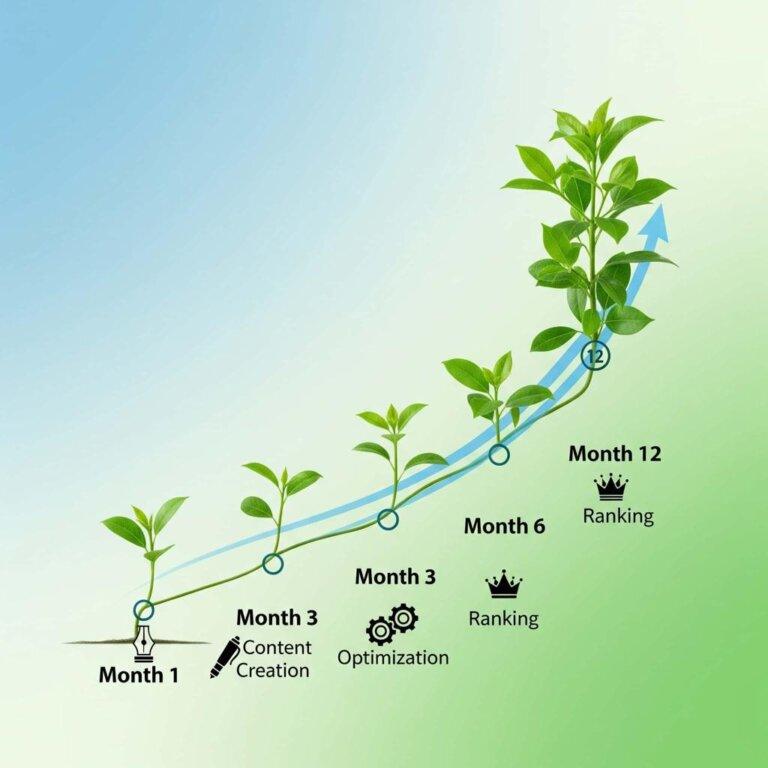
Sarah’s experience is common among successful bloggers. Growth usually starts slowly before compounding over time. Many successful websites receive very little traffic during the first several months before search engines begin trusting the site more consistently.
Step 2: Create Helpful Blog Content
Content is one of the biggest parts of blog monetization.
Without useful content, it becomes difficult to:
- Rank on Google
- Build trust
- Get traffic
- Earn affiliate income
- Grow an audience
Helpful blog content usually:
✔ Solves problems
✔ Answers questions
✔ Educates beginners
✔ Provides value
Types of Blog Posts That Perform Well
- Step-by-step guides
- Tutorials
- Product reviews
- Comparison articles
- Resource lists
- Beginner tutorials
- Case studies
Many successful blogs focus heavily on:
- Search intent
- Helpful information
- Readability
- User experience
The quality of your content often determines how much trust readers place in your website. Blogs that provide useful beginner-friendly information usually perform better over time because readers are more likely to:
- Return to the website
- Share articles
- Subscribe to emails
- Click affiliate recommendations
Consistent Content Creation

Publishing consistent content also helps search engines understand your website better. Over time, Google may begin viewing your site as a trusted source within your niche when you continue publishing valuable information regularly.
Another important thing beginners should understand is that long-form helpful content often performs better than short low-quality articles.
Helpful articles usually include:
- Clear explanations
- Real examples
- Beginner-friendly advice
- Organized formatting
- Internal links
- Updated information
This improves:
✔ User experience
✔ Reader trust
✔ Search rankings
✔ Time spent on page
Many successful bloggers also update old articles regularly to improve SEO performance and keep information relevant.
Internal Link Section
Many beginner bloggers struggle because they publish inconsistent or low-quality content. Learning how to write useful beginner-friendly articles can improve both traffic and monetization opportunities over time.
👉 Related Guide:
https://moneyonliners.com/why-people-fail-to-make-money-online/
Step 3: Learn Basic SEO
SEO (Search Engine Optimization) helps your blog appear in Google search results.
SEO is important because search traffic can bring:
- Consistent visitors
- Affiliate clicks
- Ad revenue
- Long-term growth
Beginner SEO Basics
Learn:
- Keyword research
- On-page SEO
- Internal linking
- Image optimization
- Search intent
- Content structure
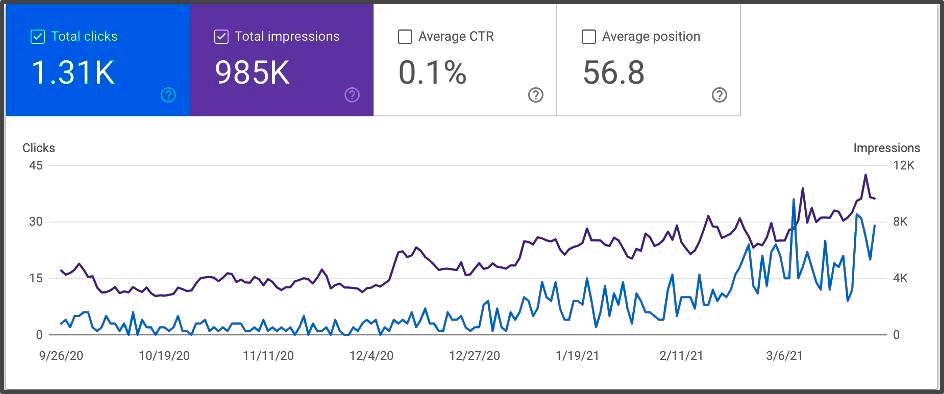
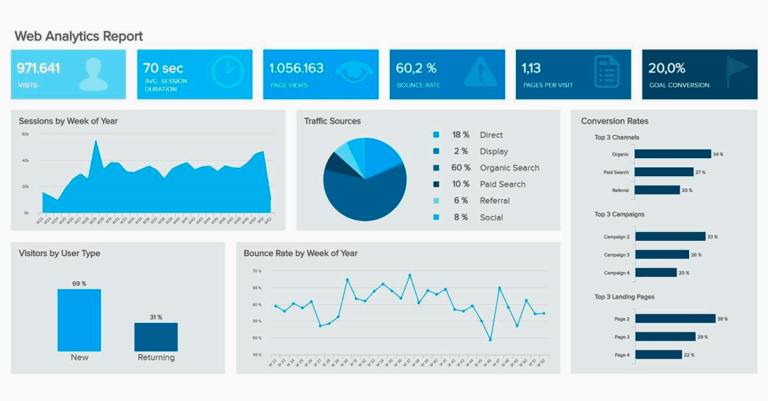
SEO and Website Traffic Growth

Why SEO Matters
Many successful blogs grow mainly because of search engine traffic.
Without SEO:
- Your content becomes harder to discover
- Traffic growth becomes slower
- Monetization opportunities decrease
SEO is one of the most valuable long-term blogging skills because search traffic can continue generating visitors for months or years after publishing articles.
Many beginner bloggers ignore SEO early because it feels technical or confusing. However, learning even basic SEO principles can dramatically improve long-term blog growth opportunities.
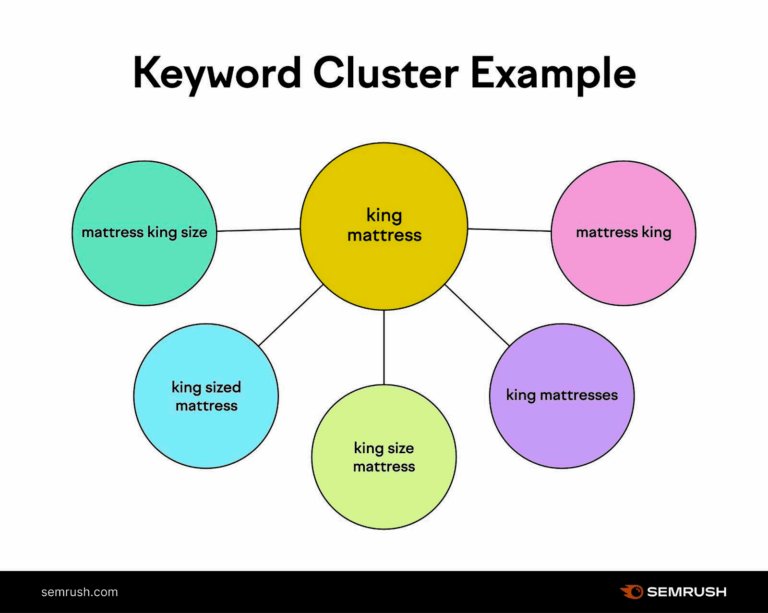
SEO also helps blogs compete against larger websites by targeting:
- Low-competition keywords
- Specific search phrases
- Beginner-focused content
- Long-tail keyword searches
For example:
Instead of targeting:
“blogging”
A beginner might target:
“how to monetize a beginner blog in 2026”
These longer search phrases are often easier to rank for and attract more targeted readers.



2 Comments