Athlete Earnings Explained: 12 Ways Athletes Make Money On and Off the Field
Athlete Earnings Explained: 12 Ways Athletes Make Money On and Off the Field
Athlete earnings can come from far more than a salary or a winning paycheck. Depending on the sport, level, country and popularity of the athlete, income may come from contracts, prize money, bonuses, endorsements, licensing, appearances, content, business ventures and other opportunities.
When people hear that a famous athlete earns millions of dollars, they may assume all of that money comes from playing the sport. In reality, professional sports can operate very differently.
Some athletes receive guaranteed salaries. Others rely heavily on tournament winnings. Meanwhile, competitors in smaller or individual sports may need sponsorships, coaching, appearances or personal-brand income to support their careers.
College athletes in the United States can also participate in name, image and likeness opportunities. In addition, the modern creator economy has made it possible for athletes to build audiences and monetize content independently of their teams.
Therefore, understanding athlete earnings requires looking at an athlete as both a competitor and, increasingly, an economic brand.
Quick Answer
Athletes can earn money through salaries and contracts, prize money, performance bonuses, endorsements, sponsorships, name-image-likeness opportunities, appearances, camps and clinics, licensing and royalties, social media and content, media work, and businesses or commercial ventures.
However, not every athlete has access to every income stream. The available opportunities depend on factors such as sport, league rules, competitive level, geography, audience size, marketability and contractual restrictions.
MoneyOnliners Athlete Earnings Formula:
ATHLETIC VALUE + PERFORMANCE + AUDIENCE + BRAND + COMMERCIAL OPPORTUNITIES = TOTAL EARNING POTENTIAL
Athlete Earnings at a Glance
| # | Income Source | How It Works | Income Stability |
|---|---|---|---|
| 1 | Salary & Contracts | Compensation for competing for a team, club or organization | Medium to High |
| 2 | Prize Money | Money earned through tournament or competition results | Low to Variable |
| 3 | Performance Bonuses | Extra compensation linked to achievements or milestones | Variable |
| 4 | Endorsements | Payments for promoting or associating with brands | Medium |
| 5 | Sponsorships | Commercial support from companies or organizations | Medium |
| 6 | NIL Opportunities | Compensation for use of an athlete's name, image or likeness | Variable |
| 7 | Appearances & Autographs | Payments for events, signings and promotional appearances | Variable |
| 8 | Camps, Clinics & Coaching | Income from training, instruction and sports education | Medium |
| 9 | Licensing & Royalties | Income from commercial use of an athlete's identity or intellectual property | Variable |
| 10 | Social Media & Content | Advertising, partnerships, subscriptions and creator income | Variable |
| 11 | Media & Broadcasting | Commentary, analysis, podcasts, television or publishing work | Medium |
| 12 | Business Ventures | Businesses, products, partnerships and other commercial ventures | Variable |
Table of Contents
1. How Athlete Earnings Work 2. Salaries and Contracts 3. Prize Money 4. Performance Bonuses 5. Endorsements 6. Sponsorships 7. Name, Image and Likeness Opportunities 8. Appearances and Autographs 9. Camps, Clinics and Coaching 10. Licensing and Royalties 11. Social Media and Content 12. Media and Broadcasting 13. Business Ventures 14. Athlete Income Stack 15. Gross Earnings vs Take-Home Income 16. Athlete Earnings Risks 17. Why Athlete Earnings Matter 18. Frequently Asked QuestionsHow Athlete Earnings Really Work
Athlete income structures vary dramatically from one sport to another. Therefore, there is no universal compensation model that applies to every competitor.
A player in a major team sport may have an employment contract with a defined salary. In contrast, a professional golfer, tennis player, fighter or other individual competitor may depend more heavily on competition results, appearance payments and sponsorship agreements.
Furthermore, athletes at similar competitive levels may still earn very different amounts because commercial value is not determined by performance alone.
Performance Is Only One Part of Athlete Earning Power
Winning and strong performance can increase an athlete's visibility. However, visibility does not automatically translate into commercial income.
Brands may also consider audience demographics, reputation, personality, geographic reach, social following and alignment with the company's values.
Consequently, an athlete with a smaller competitive profile but a highly engaged audience may sometimes create valuable commercial opportunities.
PERFORMANCE → VISIBILITY → AUDIENCE → TRUST → COMMERCIAL VALUE → MULTIPLE INCOME STREAMS

Athletic performance can create opportunities, but modern athlete earnings may extend far beyond competition itself.
12 Ways Athletes Can Make Money
Salaries and Playing Contracts
Core income source for many professional team athletes.
For many athletes in organized team sports, salary is the most straightforward source of income.
A team or club signs an athlete under a contract that specifies compensation and other terms. Depending on the league and agreement, the contract may include guaranteed compensation, non-guaranteed amounts, bonuses or other benefits.
However, the headline value of a sports contract does not always represent guaranteed money. Therefore, readers should distinguish between the total potential contract value and compensation the athlete is certain to receive.
What Can Affect an Athlete's Salary?
- Competitive ability
- Experience
- Position or role
- League revenue
- Collective bargaining rules
- Salary caps or payroll rules
- Contract length
- Negotiating leverage
- Injury history
- Market demand
Suppose an athlete signs a three-year contract advertised at $900,000. That does not automatically mean the athlete is guaranteed $300,000 every year.
For example, portions might depend on roster status, performance or other contract conditions. Therefore, guaranteed compensation is often more useful than the headline contract number when evaluating financial security.
Prize Money and Competition Winnings
Common in individual and tournament-based sports.
In several sports, athletes can earn money according to how they perform in tournaments, competitions or events.
This structure differs significantly from receiving a regular salary. If earnings depend on results, income may fluctuate sharply from one period to another.
For example, an athlete who performs exceptionally well during one season may earn substantially more prize money than during another season.
However, the competitor may still face travel, training, coaching, equipment and support-team expenses regardless of results.
Why Prize Money Can Be Financially Unpredictable
Prize income depends heavily on competitive outcomes. Therefore, it can be difficult to treat every successful season as a permanent income level.
Injury, rankings, qualification results and changes in competition schedules can all affect future earnings.
Performance Bonuses and Incentives
Athletes whose contracts include achievement-based incentives.
Some contracts provide additional compensation when athletes reach particular milestones.
A bonus might be connected to games played, team results, individual statistics, championship performance or another contractual benchmark.
Therefore, bonuses can increase total athlete earnings without increasing the athlete's base salary.
Nevertheless, athletes should avoid treating uncertain bonuses as guaranteed income when making long-term financial commitments.
Base financial planning on dependable income first. Treat performance-dependent bonuses as variable income until the conditions are actually achieved.
Brand Endorsements
Athletes with marketability, credibility or audience influence.
Endorsements are one of the most visible ways athletes make money outside competition.
A company may pay an athlete to promote or publicly associate with a product, service or brand.
For example, endorsement arrangements can involve clothing, footwear, sports equipment, financial services, technology, food, automobiles or other consumer products.
However, commercial agreements can include specific obligations. An athlete may need to attend events, create promotional content, wear certain products or participate in advertising campaigns.
What Makes an Athlete Attractive to Brands?
| Factor | Why It Can Matter |
|---|---|
| Performance | Success can increase visibility and credibility. |
| Audience | Brands may value access to relevant fans and customers. |
| Reputation | Companies generally consider reputational alignment. |
| Engagement | An active audience can sometimes matter more than follower count alone. |
| Geographic Reach | International athletes may appeal to several markets. |
| Personal Story | A distinctive story can strengthen brand positioning. |
Sponsorship Agreements
Athletes, teams and competitors with commercial visibility.
Sponsorship and endorsement are often used interchangeably, although agreements can be structured differently.
A sponsor may provide financial support, equipment, travel assistance, products or other benefits in exchange for commercial exposure.
For competitors in sports where prize income is uncertain, sponsorship support can sometimes make a meaningful difference to career sustainability.
However, athletes should understand exactly what a sponsor expects in return. Exclusivity provisions, social posts, appearances and brand-category restrictions can affect other commercial opportunities.

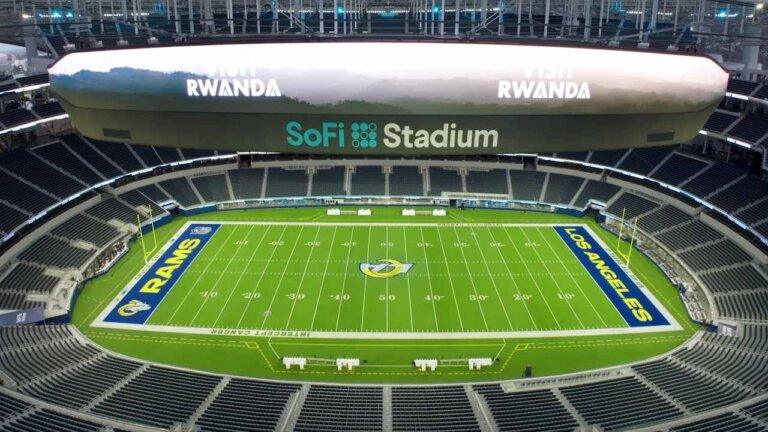
Sports audiences can create commercial value for athletes, sponsors, teams, leagues and media companies.
Name, Image and Likeness Opportunities
Student-athletes and other athletes monetizing their public identity.
Name, image and likeness—commonly called NIL—describes the commercial value connected to an athlete's identity.
In the United States, student-athletes can participate in qualifying NIL opportunities while continuing to compete in college athletics, subject to current applicable rules.
Examples can include sponsored social-media posts, autograph signings, camps, clinics, commercials, promotional appearances and endorsement agreements.
Furthermore, NIL compensation may include money as well as certain products, services or other forms of value.
College Athlete Compensation Has Continued to Evolve
The U.S. college sports compensation landscape has continued to change. Therefore, student-athletes should not rely on outdated assumptions about what is or is not permitted.
Because regulations and reporting requirements can evolve, athletes should review current school, governing-body, legal and tax guidance before entering commercial agreements.
NIL income can create tax obligations. Depending on the arrangement, different reporting requirements may apply.
Therefore, athletes receiving meaningful NIL compensation should keep detailed financial records and consider qualified professional tax guidance.
Appearances, Autographs and Promotional Events
Recognizable athletes with fan or commercial demand.
Athletes can sometimes receive compensation for attending corporate functions, speaking engagements, promotional events, autograph sessions or fan experiences.
The value of an appearance can depend on the athlete's profile, event type, location, audience and required time.
Moreover, appearances can create value beyond the immediate fee because they may strengthen the athlete's relationships with fans, sponsors and commercial partners.
Sports Camps, Clinics, Training and Coaching
Athletes who can teach a valuable skill or competitive discipline.
Athletes do not necessarily need celebrity status to monetize sports expertise.
For example, experienced competitors may organize youth camps, private coaching sessions, online training programs or specialized clinics.
This can turn athletic knowledge into a service-based income stream.
Furthermore, coaching can continue after an athlete reduces competitive activity or retires from active competition.
Suppose an athlete operates a weekend skills clinic for 30 participants at $75 each.
Gross clinic revenue = 30 × $75 = $2,250.
However, gross revenue is not profit. Venue rental, insurance, staff, equipment, marketing, payment-processing costs and taxes may reduce the amount the athlete actually keeps.
Licensing, Merchandise and Royalties
Athletes whose names, images, signatures or brands have commercial value.
An athlete may earn royalties or licensing income when authorized commercial use is made of certain intellectual property or identity rights.
For example, licensing arrangements may involve merchandise, collectibles, photographs, video games, apparel or other products, depending on contractual rights.
However, ownership rights can be complex. Teams, leagues, unions, athletes and other entities may control different rights depending on the agreement.
Therefore, athletes should understand licensing provisions before assuming they personally control every commercial use of their identity.
Media, Broadcasting and Commentary
Athletes who can communicate expertise effectively.
Sports knowledge can also become valuable in media.
Current or former athletes may work as commentators, analysts, presenters, writers, podcasters or television personalities.
Their competitive experience can provide insight that general commentators may not possess.
Nevertheless, athletic success alone does not guarantee a media career. Communication, preparation, storytelling and audience skills remain important.
For some athletes, media becomes a bridge between active competition and a second long-term career.
Business Ventures and Commercial Partnerships
Athletes seeking income beyond their playing careers.
Athletes may use capital, visibility, expertise or networks to launch or participate in businesses.
Examples can include training companies, clothing brands, gyms, media businesses, technology ventures, restaurants, consumer products or other enterprises.
However, being a successful athlete does not automatically make someone a successful entrepreneur.
Business ventures still involve market demand, operating costs, execution, competition and financial risk.
Therefore, athletes should evaluate commercial ventures using the same discipline that any entrepreneur would apply.
The MoneyOnliners Athlete Income Stack
One of the most useful ways to understand athlete earnings is to separate income into layers.
| Layer | Examples | Dependency |
|---|---|---|
| Layer 1: Competition Income | Salary, prize money, bonuses | Highly connected to athletic performance |
| Layer 2: Reputation Income | Endorsements, sponsorships, appearances | Depends on visibility and marketability |
| Layer 3: Audience Income | Social media, content, memberships | Depends on audience and engagement |
| Layer 4: Intellectual Property Income | Licensing, royalties, merchandise | Depends on rights and commercial demand |
| Layer 5: Expertise Income | Coaching, camps, media, speaking | Depends on transferable knowledge |
| Layer 6: Ownership Income | Businesses and commercial ventures | Depends on business performance |
How Athlete Earnings Can Change Across a Career
| Career Stage | Likely Focus | Potential Opportunity |
|---|---|---|
| Emerging Athlete | Performance and development | Local sponsorship, NIL, coaching, content |
| Established Professional | Competition income | Contracts, prize money, sponsorships |
| High-Profile Athlete | Performance + brand | Major endorsements, licensing, media |
| Late Career | Transition planning | Business, media, coaching, partnerships |
| Post-Competition Career | Expertise and reputation | Media, coaching, speaking, business |
Athletes should therefore think about earning power as something that evolves rather than something that remains fixed throughout a career.
Gross Athlete Earnings vs Take-Home Income
Headline athlete earnings can create a misleading impression because gross income and personal take-home income are not the same thing.
An athlete may have substantial expenses connected to earning that income.
Possible Costs Behind Athlete Earnings
- Taxes
- Agent or management fees
- Legal services
- Accounting
- Training
- Coaching
- Medical and rehabilitation costs
- Travel
- Accommodation
- Equipment
- Nutrition
- Insurance
- Staff
- Marketing
- Business operating expenses
Assume an athlete generates $150,000 in gross income across several sources during a year.
| Item | Illustrative Amount |
|---|---|
| Salary / Competition | $90,000 |
| Sponsorship | $25,000 |
| Appearances | $10,000 |
| Coaching / Camps | $15,000 |
| Content / Other | $10,000 |
| Total Gross Income | $150,000 |
That $150,000 is not automatically disposable income. Training, agent fees, travel, business costs and taxes could materially reduce what remains.
Therefore, financial planning should be based on net cash flow rather than headlines.
Athlete Earnings and Taxes
Tax treatment varies significantly according to country, residency, employment status, income type and where the athlete performs.
Compensation may include playing income, endorsements, merchandise, royalties and other commercial activity.
Furthermore, international athletes may face additional tax and withholding considerations when competing or working across borders.
NIL arrangements may also create taxable income. Therefore, athletes should not assume that products, services or other non-cash benefits have no tax consequences.
MoneyOnliners provides general educational information, not individualized legal, accounting or tax advice.
Athletes with multiple income streams, international competition, business entities or substantial commercial agreements should consider qualified professional advice for their circumstances.
8 Financial Risks Behind Athlete Earnings
1. Short Career Length
Competitive careers may be much shorter than ordinary working careers. Consequently, a high annual income does not automatically create lifetime financial security.
2. Injury Risk
Injuries can affect performance, contracts, prize money and commercial visibility simultaneously.
3. Variable Earnings
Prize money, bonuses, sponsorship income and appearances may change substantially from year to year.
4. Lifestyle Inflation
A rapid increase in income can encourage equally rapid increases in spending. However, expenses may remain high even after earnings decline.
5. Poor Contract Understanding
Athletes should understand guarantees, termination clauses, exclusivity provisions, intellectual-property rights and payment structures before committing to agreements.
6. Concentrated Income
Depending on one team, sponsor or competition creates substantial dependency risk.
7. Business Risk
Athlete-owned businesses can fail just like any other business. Therefore, reputation should never replace proper commercial due diligence.
8. Weak Transition Planning
Eventually, every competitive career changes. Athletes who build transferable skills, professional networks and alternative income sources may have more options after retirement.
The Athlete Earnings Stability Score
MoneyOnliners created the following framework to help evaluate how resilient an athlete's income structure may be.
| Question | Score |
|---|---|
| Do you have more than one meaningful income source? | 0–2 |
| Does at least one income stream continue if you cannot compete temporarily? | 0–2 |
| Are your major contracts clearly documented? | 0–2 |
| Do you understand your major costs and taxes? | 0–2 |
| Are you building skills or assets useful after competition? | 0–2 |
| Do you avoid relying entirely on uncertain bonuses or prize money? | 0–2 |
| Are you building a professional network outside active competition? | 0–2 |
A score near 14 does not guarantee financial security. Nevertheless, the framework can help identify areas where an athlete's earning system may be heavily dependent on competitive performance.
Why Athlete Earnings Matter
Athlete Income Is More Complex Than Salary Alone
1. Athlete earnings matter because professional sport can generate income through several very different mechanisms.
2. Moreover, understanding those mechanisms helps separate guaranteed compensation from uncertain income.
3. Salaries can provide stability for some athletes, while competitors in other sports may depend heavily on results.
4. Prize money can create substantial opportunity, although it can also make annual income unpredictable.
5. Performance bonuses further demonstrate why advertised contract values and dependable income are not always identical.
Commercial Value Can Extend Beyond Competition
6. Endorsements allow athletes to convert visibility and reputation into commercial value.
7. Similarly, sponsorships can provide support that is not directly tied to a game salary or tournament result.
8. NIL opportunities have expanded the commercial possibilities available to many U.S. student-athletes.
9. Appearances and autograph events can monetize demand for direct interaction with athletes.
10. Coaching and clinics can transform athletic expertise into a service that may remain valuable beyond competition.
Modern Athletes Can Build Their Own Media Assets
11. Social platforms allow athletes to communicate directly with fans instead of relying entirely on traditional media.
12. As a result, an audience can become a long-term professional asset if it is developed responsibly.
13. Licensing can create additional economic value from an athlete's identity, brand or intellectual property.
14. Media work can allow sports expertise to produce income after an athlete stops competing.
15. Business ownership can also create opportunities that operate independently from playing income.
Financial Resilience Matters Because Careers Change
16. Athlete earnings matter because injuries can disrupt several performance-dependent income streams at once.
17. Furthermore, competitive careers eventually end, even for highly successful athletes.
18. Building alternative skills, networks and income sources can therefore support a more flexible transition.
19. Understanding gross income, expenses and taxes can also prevent misleading assumptions about athlete wealth.
20. Ultimately, athlete earnings matter because sustainable financial success depends not only on how much money an athlete makes, but also on how income is structured, protected and converted into longer-term opportunities.
Incoming Link Opportunities
Sports Finance: How Money, Careers and Business Work in the Sports Industry
https://moneyonliners.com/sports-finance/
Sports Careers & Jobs
https://moneyonliners.com/sports-careers/
Creator Income Models
https://moneyonliners.com/creator-income/
Personal Branding
https://moneyonliners.com/personal-branding/
High-Priority Incoming Links
Sports Finance Guides
https://moneyonliners.com/sports-finance/
Social Media Income
https://moneyonliners.com/social-media-income/
Content Monetization
https://moneyonliners.com/content-monetization/
Networking Opportunities
https://moneyonliners.com/networking-opportunities/
Topic Cluster Incoming Links
Media Jobs & Careers
https://moneyonliners.com/media-careers/
Community Management
https://moneyonliners.com/community-management/
Mentorship & Partnerships
https://moneyonliners.com/mentorship/
Continue Learning on MoneyOnliners
Earn More Money
https://moneyonliners.com/earn-more-money/
Grow Your Income
https://moneyonliners.com/grow-your-income/
Learn Academy
https://moneyonliners.com/learn-academy/
Recommended External Resources
NCAA — Name, Image and Likeness
https://www.ncaa.org/student-athletes/name-image-likeness/
NCAA — Student-Athlete Experience
https://www.ncaa.org/student-athletes/student-athlete-experience/
IRS — Name, Image and Likeness Income
https://www.irs.gov/businesses/small-businesses-self-employed/name-image-and-likeness-income
IRS — Taxation of Foreign Artists and Athletes
https://www.irs.gov/individuals/international-taxpayers/taxation-of-foreign-artists-and-athletes
IRS — Taxable Income
https://www.irs.gov/filing/taxable-income
Frequently Asked Questions
How do professional athletes make money?
Professional athletes can make money through several sources rather than one universal compensation system.
For many team athletes, salary or contract compensation forms the foundation.
Meanwhile, competitors in individual sports may rely more heavily on tournament or event earnings.
Endorsements, sponsorships and appearances can provide additional commercial income.
Furthermore, athletes can earn through licensing, social content, coaching, media work and business ventures.
Therefore, total athlete earnings should be viewed as a combination of sporting and commercial activity.
Do athletes make more from endorsements than salaries?
Some highly marketable athletes can generate substantial endorsement income. However, this should not be treated as the normal experience for every athlete.
For many professional competitors, sporting income remains the primary source of earnings.
The balance depends on the sport, athlete profile, audience, geography and commercial demand.
Furthermore, endorsement contracts can change when performance, reputation or visibility changes.
Therefore, endorsements should be evaluated separately from guaranteed salary or other competition income.
What is NIL income for athletes?
NIL refers to name, image and likeness.
In practical terms, an athlete can potentially receive compensation when a legitimate business uses the athlete's identity in qualifying commercial activity.
Examples may include sponsored social posts, autograph signings, camps, clinics, commercials and promotional appearances.
However, college-sports rules and disclosure requirements can evolve.
Student-athletes should therefore check their current institutional and regulatory requirements.
In addition, NIL income may have tax consequences.
Is athlete sponsorship income taxable?
Tax rules depend on jurisdiction and circumstances.
Income from endorsements and other commercial activity can be taxable.
International athletes may also face special rules when earning income in countries outside their normal place of residence.
Furthermore, the form in which compensation is received can matter.
Therefore, athletes with significant sponsorship or endorsement income should consider qualified tax advice.
Can amateur or lower-level athletes earn sponsorship income?
Potentially, yes.
A sponsor may value local influence, a specialized audience, strong community involvement or a compelling athlete story.
Therefore, global celebrity status is not the only form of commercial value.
However, athletes must still comply with the rules that apply to their competition, institution or governing body.
They should also ensure that sponsorship obligations are clearly documented.
Can athletes make money from social media?
Yes, athletes can potentially participate in several creator-economy models.
Examples can include sponsored content, advertising, subscriptions, affiliate arrangements and digital products.
However, platform eligibility requirements and sponsorship rules vary.
In addition, follower count alone does not guarantee meaningful revenue.
Audience quality, engagement, trust and advertiser demand can be equally important.
Why do athlete earnings sometimes look larger than they really are?
Public figures often refer to gross contract values or estimated earnings.
However, gross income is different from personal take-home income.
Taxes, agents, staff, travel, coaching, training and other costs may reduce what remains.
Furthermore, some contract amounts may depend on future conditions.
Therefore, headline numbers should be interpreted carefully.
What happens to athlete income after retirement?
Competition-based income usually changes substantially once an athlete stops competing.
However, other sources can continue.
Former athletes may work in coaching, media, speaking, management or business.
Licensing and established commercial relationships may also remain relevant.
Therefore, developing transferable skills before retirement can expand post-sport options.
Should athletes build multiple income streams?
Diversification can potentially reduce dependency on a single income source.
However, adding more income streams does not automatically improve financial security.
Each activity requires time, management and sometimes capital.
Therefore, athletes should prioritize opportunities that complement their career rather than creating unnecessary distractions.
The goal is sustainable diversification, not maximum complexity.
Research Methodology
MoneyOnliners prepared this guide by separating athlete income into competition income, commercial income, audience income, intellectual-property income, expertise income and ownership income.
Official sports-governance and tax materials should be preferred when evaluating current NIL, compensation and regulatory requirements.
Because compensation structures differ across sports, leagues and countries, this article intentionally avoids presenting one league's contract model as universal.
Likewise, rapidly changing celebrity earnings estimates were not used as the foundation of the article. Instead, MoneyOnliners focuses on durable income structures readers can understand and compare.
First-Hand Evidence Standard
MoneyOnliners does not claim first-hand access to private athlete contracts, endorsement agreements, tax returns or confidential sponsorship arrangements.
Examples in this guide that contain numerical values are clearly presented as illustrative calculations rather than claims about a specific athlete.
When MoneyOnliners later obtains genuine interviews, screenshots, contract examples that can legally be discussed, original datasets or direct testing of relevant platforms, those materials should be clearly labeled as first-hand evidence.
Limitations
Sports compensation varies substantially by sport, country, league, gender, competitive level and contractual structure.
Moreover, sports regulations, NIL requirements, collective bargaining agreements and tax rules can change.
This guide therefore explains general athlete earning models rather than predicting how much a particular athlete will earn.
Readers should verify current rules through the appropriate governing body, league, institution, accountant, lawyer or other qualified professional when making real financial or contractual decisions.
Conclusion: Athlete Earnings Are Bigger Than the Paycheck
Athlete earnings are often discussed as if every competitor simply receives a salary for playing a sport. In reality, the economics can be much more complicated.
Some athletes rely primarily on contracts. Others depend heavily on prize money. Meanwhile, sponsorships, endorsements, NIL agreements, coaching, licensing, social media and business ventures can create additional opportunities.
Nevertheless, more income streams do not automatically create financial security. Athletes must still consider costs, taxes, contracts, injuries, career length and the sustainability of each source.
Therefore, one of the most important financial questions is not simply, “How much does this athlete earn?”
A stronger question is, “Where does the income come from, how dependable is it, what does it cost to generate, and can any of it continue after competition ends?”
PERFORMANCE → EARNINGS → DIVERSIFICATION → FINANCIAL MANAGEMENT → LONG-TERM ASSETS → POST-SPORT FREEDOM
Ultimately, athletic ability may open the door to earning opportunities. However, how those opportunities are structured, managed and converted into long-term value can matter just as much as the headline paycheck.

Social Media, Digital Content and Creator Income
Athletes who build direct relationships with an online audience.
Social media has created another layer of athlete earnings.
Instead of depending entirely on traditional media exposure, athletes can build audiences through platforms such as YouTube, Instagram, TikTok, Facebook, podcasts, newsletters or other channels.
Depending on the platform and audience, income can potentially come from advertising, sponsorships, subscriptions, affiliate relationships, digital products or other creator-economy models.
Audience Ownership Can Matter
Competition exposure can disappear quickly when an athlete is injured, changes teams or retires.
In contrast, an audience built around the athlete's broader expertise and personality can potentially remain useful beyond the competitive career.
SPORT → STORY → CONTENT → AUDIENCE → TRUST → MONETIZATION → LONG-TERM BRAND