Basic vs Advanced Digital Skills: What Should Beginners Learn First?
Discover basic vs advanced digital skills for jobs, business, communication, productivity and income opportunities in an increasingly digital world—and how stronger digital confidence can improve everyday decisions.
Basic digital skills create the foundation for advanced digital work
Digital skills are no longer useful only for people working in technology. A teacher preparing online lessons, a shop owner accepting digital payments, a student researching an assignment, an office worker using spreadsheets and a freelancer meeting a client online all depend on digital ability in different ways.
The important point is not that everyone must become a programmer or technology expert. What matters is being able to use the digital tools relevant to your goals with enough confidence, judgment and independence to complete real tasks.
Digital skills matter because they help people communicate, learn, work, solve problems, access services, protect information, run businesses and participate in an increasingly digital economy. Stronger skills can improve efficiency and opportunity, but their value comes from how well they solve real problems.
Basic vs advanced digital skills: the practical difference
Many activities that once happened only face to face or on paper now happen partly or entirely through digital systems. Job applications are submitted online. Meetings happen through video platforms. Businesses communicate with customers through websites, email and social media. Banks, governments, schools and service providers increasingly use online portals.
This shift means that weak digital skills can create friction even in ordinary tasks. A person may struggle to upload a document, organize files, compare reliable information, protect an account or complete an online form. Each difficulty may look small on its own, but together they can reduce confidence and waste significant time.
On the other hand, a person with practical digital ability can often complete the same tasks more quickly, troubleshoot common problems and adapt when a platform changes. That adaptability is one of the strongest reasons to build transferable skills rather than memorize one application.

How digital skills improve everyday life
Digital capability can make routine activities easier. It can help you communicate with family, book services, use maps, compare prices, access learning materials, manage documents, make digital payments and organize personal information.
Basic skills also help people make safer choices. Recognizing suspicious links, using strong passwords, checking website addresses, protecting personal information and questioning misleading content are not advanced technical tasks; they are practical habits that reduce everyday digital risk.
Communication
Use email, messaging and video calls clearly and appropriately.
Information
Search efficiently, compare sources and verify important claims.
Safety
Protect accounts, devices, personal information and online identity.
Organization
Manage files, documents, calendars, cloud storage and digital records.
Why digital skills matter for work and careers
Almost every modern job uses some form of technology. Even roles that are not considered “digital jobs” may require email, document creation, online forms, spreadsheets, scheduling systems, customer databases or digital collaboration.
Employees with stronger digital skills may be able to complete routine tasks faster, communicate more clearly and require less assistance with common technical problems. They may also be better prepared when organizations introduce new software or processes.
Employability is not determined by digital skills alone. Experience, communication, judgment, reliability and role-specific expertise also matter. However, digital competence can strengthen how effectively those other abilities are applied in modern workplaces.
| Work situation | Useful digital skills | Practical benefit |
|---|---|---|
| Office administration | Documents, spreadsheets, email, calendars | Faster organization and clearer reporting |
| Remote or hybrid work | Video calls, shared files, task tools, messaging | Better collaboration across locations |
| Customer service | CRM systems, chat, email, knowledge bases | More consistent customer support |
| Research and analysis | Search, source evaluation, spreadsheets, AI literacy | More reliable information and decisions |
| Creative work | Writing, design, video, publishing tools | Ability to produce and distribute content |
Why digital skills matter for business owners and freelancers
For a small business, digital skills can influence marketing, sales, payments, customer service, bookkeeping, research and day-to-day administration. A business owner does not need to perform every task personally, but understanding the basics makes it easier to choose tools, hire help and judge whether work has been completed properly.
Freelancers depend even more directly on digital systems because much of the client journey may happen online: finding opportunities, sending proposals, holding meetings, sharing files, delivering work, invoicing and receiving payments.
How digital skills can support income opportunities
Digital skills can become income-producing when they solve problems that people or businesses are willing to pay to solve. Examples include website management, graphic design, bookkeeping support, video editing, SEO, social media management, data entry, research, virtual assistance, digital marketing and software development.
However, learning a digital skill does not automatically produce income. A beginner also needs practice, evidence of ability, a clear offer, communication skills and access to customers or employers. This distinction protects you from the common mistake of collecting courses without building usable experience.
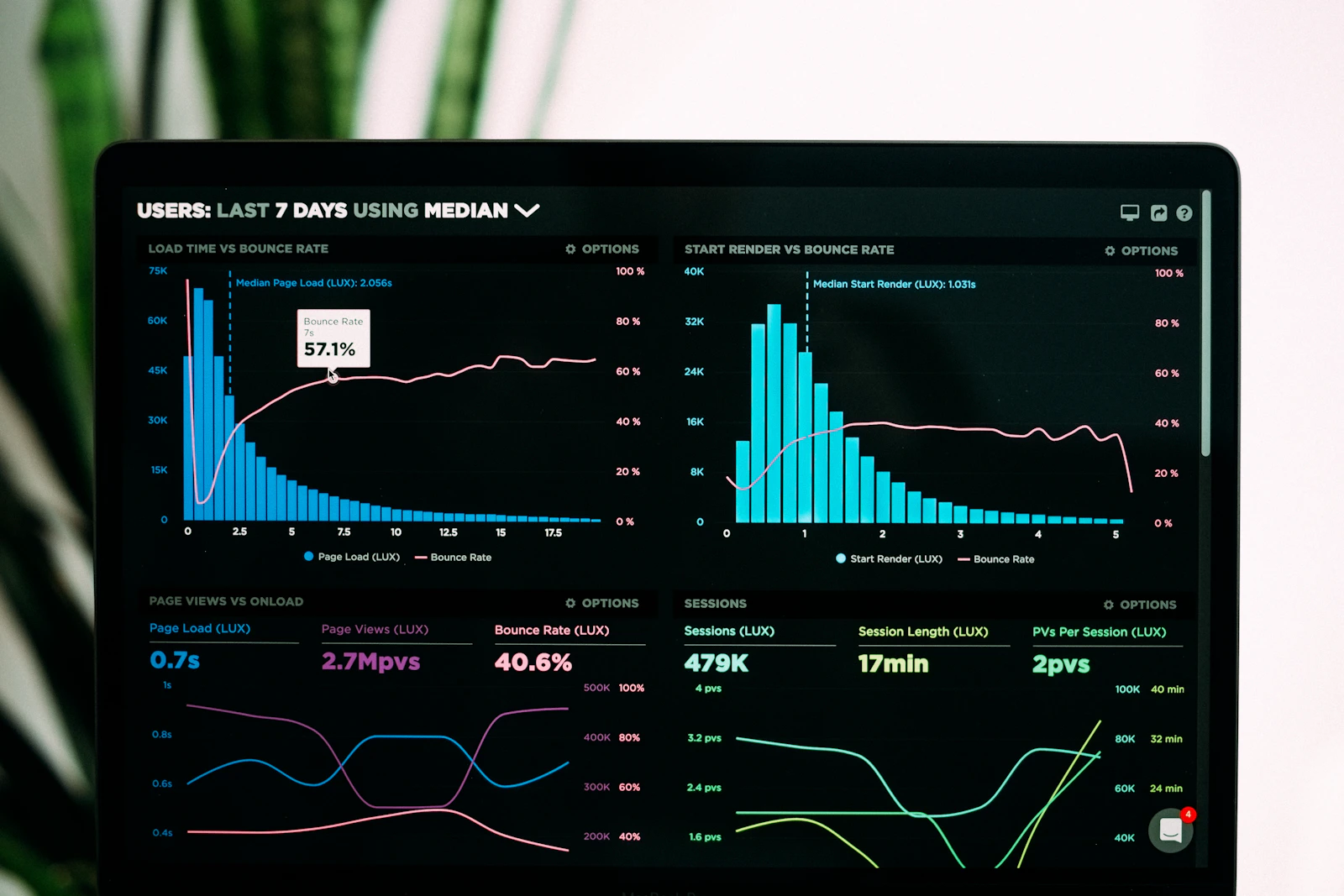
Digital confidence matters as much as knowing individual tools
Digital confidence is the belief that you can learn, explore and recover when something goes wrong. It does not mean knowing every answer. Confident users still search for instructions, read help pages and ask questions; the difference is that they are willing to investigate rather than immediately giving up.
This confidence grows through repeated small wins. Creating a clean folder system, solving a spreadsheet error, joining a video meeting successfully or publishing your first webpage may seem simple, but each experience teaches you that digital problems can be understood and solved.
Confidence should still be paired with caution. Clicking randomly, ignoring security warnings or trusting every AI answer is not confidence. Strong digital judgment combines curiosity with verification and safe habits.
Which digital skills should a beginner learn first?
You do not need to learn everything at once. Start with the skills that remove the biggest obstacles from your current life, work or income goals.
Build the foundation
Files, folders, browser use, email, documents and basic device settings.
Improve online research
Search better, compare sources, recognize unreliable information and save useful references.
Strengthen productivity
Learn calendars, cloud storage, shared documents and basic spreadsheets.
Add one goal-specific skill
Choose a skill such as design, SEO, data analysis, website management, video editing or AI-assisted work.
Lesson 3 practice exercise: find your highest-value gap
Write down three digital tasks you perform regularly and three digital tasks you avoid because they feel difficult. Then choose one avoided task that would make your work or daily life easier if you could do it confidently.
- Describe the task in one sentence.
- Write what currently makes it difficult.
- Identify the specific skill behind the task.
- Find one small practice activity you can complete this week.
- Repeat the activity until you can do it without step-by-step help.
Common mistakes when building digital skills
| Mistake | Why it slows progress | Better approach |
|---|---|---|
| Trying to learn too many tools at once | Attention is divided and little becomes automatic. | Master one practical workflow at a time. |
| Watching tutorials without practising | Recognition can feel like competence even when you cannot perform the task. | Use every lesson to complete a real task. |
| Memorizing clicks | Interface changes can make the process confusing again. | Understand the purpose and logic behind each step. |
| Ignoring safety and privacy | Convenience can create avoidable security risks. | Build security habits into every workflow. |
| Expecting instant income | Skills usually need practice, proof and market access before they earn money. | Build competence first, then connect it to a real need. |
Questions & Answers
Are digital skills important for every career?
Most careers now use digital systems at least occasionally. The exact skills vary by role, but basic digital competence is widely useful.
Can digital skills help me earn online?
Yes, when a skill helps you deliver something useful that employers or customers value. Skill alone does not guarantee income.
Do I need expensive equipment?
Not always. Many beginner skills can be learned with a basic smartphone or computer and free tools, although some specialized work eventually requires better equipment.
How long does it take to improve?
Progress depends on the skill and practice time. Small foundational abilities can improve quickly, while specialized professional skills may require months or years of deliberate practice.
Learning Resources for Basic vs Advanced Digital Skills
Use these internal MoneyOnliners lessons and independent learning resources to strengthen your foundations and explore more specialized digital abilities.
MoneyOnliners Internal Learning Links
Digital Skills AcademyReturn to the complete 40-lesson curriculum.https://moneyonliners.com/digital-skills-academy/ Lesson 2: Why Digital Skills MatterReview why digital capability matters for work, business and everyday life.https://moneyonliners.com/why-digital-skills-matter/ Lesson 4: Types of Digital SkillsExplore 30+ useful digital skill categories and examples.https://moneyonliners.com/types-of-digital-skills/ Lesson 5: Digital Skills AssessmentIdentify your current strengths and the gaps you should improve.https://moneyonliners.com/digital-skills-assessment/ Lesson 6: Choose the Right Digital SkillChoose a skill based on goals, ability, interests and realistic demand.https://moneyonliners.com/how-to-choose-a-digital-skill/ Lesson 8: Digital Skills Learning PlanTurn your chosen skills into a practical learning roadmap.https://moneyonliners.com/digital-skills-learning-plan/ MoneyOnliners Learn AcademyExplore all structured MoneyOnliners learning academies.https://moneyonliners.com/learn-academy/ Freelancing AcademySee how practical and specialized skills can become freelance services.https://moneyonliners.com/freelancing-academy/Authoritative External Resources
GCFGlobal — Computer BasicsBeginner-friendly lessons for strengthening foundational computer skills.https://edu.gcfglobal.org/en/topics/computers/ Microsoft Digital LiteracyResources covering foundational digital knowledge and everyday technology use.https://www.microsoft.com/en-us/digital-literacy Grow with GoogleDigital training and career-development resources.https://grow.google/ CourseraCourses ranging from digital foundations to specialized professional skills.https://www.coursera.org/ Khan AcademyFree learning resources supporting foundational knowledge and problem-solving.https://www.khanacademy.org/ freeCodeCampHands-on learning for programming and web-development skills.https://www.freecodecamp.org/ MDN Web DocsTechnical documentation and learning material for web technologies.https://developer.mozilla.org/ CISA — Secure Our WorldPractical guidance for safer digital habits and account security.https://www.cisa.gov/secure-our-worldFrequently Asked Questions About Basic vs Advanced Digital Skills
These answers help beginners understand the difference between foundation abilities and specialized digital skills, and how to choose what to learn first.
1. What are basic digital skills?
Basic digital skills are foundational abilities used in everyday digital life and work, such as using devices, browsers, email, files, documents, online search, video meetings and basic security practices.
2. What are advanced digital skills?
Advanced digital skills are more specialized abilities used to solve complex or professional problems. Examples can include data analysis, programming, advanced design, automation, cybersecurity, SEO, digital marketing and professional video production.
3. What is the main difference between basic and advanced digital skills?
Basic skills help you operate confidently in common digital environments. Advanced skills normally require deeper knowledge, more practice and the ability to apply concepts to specialized tasks or professional outcomes.
4. Should beginners learn basic digital skills first?
Usually, yes. Strong foundations make specialized learning easier. A beginner who can confidently manage files, research information, communicate online and use common productivity tools has a better base for learning advanced skills.
5. Can I learn an advanced skill while improving my basics?
Yes. Learning does not have to be perfectly sequential. You can begin a specialized skill while strengthening missing foundations, but persistent gaps in basic digital ability may slow your progress.
6. Is Microsoft Excel a basic or advanced digital skill?
It can be both. Entering data, formatting cells and using simple formulas may be foundational workplace skills, while complex formulas, data models, automation and advanced analysis require deeper expertise.
7. Is AI a basic or advanced digital skill?
Basic use of AI tools may become part of everyday digital literacy, while building reliable AI-assisted workflows, evaluating outputs, automating processes or developing AI systems requires more advanced knowledge and judgment.
8. Is social media a digital skill?
Everyday social media use is a basic digital activity. Professional social media management becomes more advanced when it involves strategy, content planning, analytics, advertising, community management and measurable business goals.
9. Which basic digital skills are most useful for work?
Useful foundations include email, documents, spreadsheets, online research, file management, calendars, video meetings, collaboration tools, account security and the ability to learn unfamiliar software.
10. Which advanced digital skills can lead to career opportunities?
Opportunities vary by market, but specialized areas include software development, data analysis, cybersecurity, digital marketing, SEO, design, video production, automation and advanced cloud technologies. Demand and entry requirements differ by role and location.
11. Do advanced digital skills automatically lead to higher income?
No. A specialized skill can be valuable, but income also depends on market demand, experience, proof of ability, communication, location, positioning and the quality of results you can produce.
12. How do I know when I am ready to learn advanced skills?
You are ready when you can complete essential digital tasks with reasonable independence and have a clear reason for specializing. You do not need perfect mastery of every basic tool before moving forward.
13. Can I become job-ready with only basic digital skills?
Some entry-level roles primarily require solid foundational abilities, while others require specialized knowledge. Read actual job descriptions in your target field to understand which skills employers commonly request.
14. How should I choose an advanced digital skill?
Consider your interests, current strengths, career or business goals, learning time, available resources and evidence of real demand. Later lessons in this academy will help you evaluate and choose a skill more systematically.
15. What should I learn after this lesson?
Continue to Lesson 4, Types of Digital Skills: 30+ Skills Worth Learning, where you will explore a wider range of skill categories and identify options that fit your goals.
Turn this lesson into action
Use the Lesson 3 workbook to identify where digital skills already help you, where you feel blocked and which single capability would create the most practical improvement in your work, income goals or everyday life.
Conclusion: build digital skills around real needs
Digital skills matter because digital systems are woven into communication, education, employment, business, finance and everyday problem solving. The goal is not to chase every new app. It is to build useful capabilities that help you complete meaningful tasks with greater confidence, accuracy and independence.
Start with the skills that remove friction from your life today. Then add more specialized abilities as your goals become clearer. That approach creates a stronger foundation than trying to learn everything at once.
Lesson 3 Completion Check
- I can explain basic vs advanced digital skills in everyday life.
- I understand how digital skills affect work and employability.
- I can identify ways digital skills support business and freelancing.
- I understand why digital confidence and safe online habits matter.
- I have chosen at least one digital skill area I want to improve next.