How Much Can Beginners Earn as Freelancers?
Learn realistic beginner freelance earning expectations, what affects income, why results differ, and how to grow from first small projects toward more stable freelance income.
Before You Start
In Lesson 6: Finding Profitable Freelance Services, you learned that clients pay for clear services, not vague skills. Now you need realistic expectations about what beginners can earn from those services.
This lesson is important because many beginners are misled by extreme claims. Some people online make freelancing sound like instant wealth. Others make it sound impossible unless you already have years of experience. The truth is more balanced. Beginners can earn from freelancing, but income depends on skill level, service clarity, proof, client demand, pricing, consistency, communication, and delivery quality.
This lesson prepares you for Lesson 8: Setting Realistic Freelance Goals, where you will turn realistic earning expectations into practical goals.
There is no reliable single earnings figure for every beginner freelancer. You may receive no payments while learning or looking for clients. Results depend on the service, scope, demand, client budget, pricing, costs and time available. Start with a deliverable you can produce well, an honest sample and a plan to test it. Track money actually received, unpaid invoices, business costs and all working time separately. Any figures in this lesson are invented practice calculations, not market rates, typical earnings or promises.
Learning Objectives
By the end of this lesson, you should understand beginner freelance income without hype or discouragement.
- Understand why beginner freelance earnings vary widely.
- Learn the main factors that affect freelance income.
- Identify realistic income stages from learning to first clients to repeat work.
- Understand how service type and pricing model influence earnings.
- Prepare to set realistic freelance goals in Lesson 8.
The Truth About Beginner Freelance Income
Beginner freelance income is not guaranteed. Freelancing is not a salary. It is client-based income. That means you earn when clients pay for your service. If you do not yet have a clear service, samples, outreach system, profile, or client trust, income may start slowly. That is normal.
Some beginners earn their first small payment quickly because they choose a simple service, create proof, and reach out to the right clients. Others take longer because they are still learning, switching skills, improving communication, or building portfolio samples. Both paths are normal. The danger is comparing your beginning to someone else’s advanced stage.
Instead of asking, “How much will I earn immediately?” ask better questions. What service can I deliver well? What client problem does it solve? What sample can prove it? How many people will I contact? How will I improve if nobody responds? How will I track proposals, replies, and results? These questions are more useful than chasing random income claims.
The MoneyOnliners curriculum helps you move from foundations to preparing your service, finding clients, managing projects and growing a business. These are learning steps, not an earnings timetable. Progress through the lessons does not itself establish demand or guarantee paid work.
“Your first freelance goal is not to become rich overnight. It is to prove that a real client will pay for your real service.”
— MoneyOnliners Editorial TeamSeparate the numbers
- Quoted or invoiced amount: what you have agreed or billed. It may not have been paid.
- Payment received: money actually collected. Record payment dates and any deductions.
- Costs: charges, tools, materials and other business expenses. Do not deduct a charge twice if your received amount already excludes it.
- Time: briefing, research, delivery, revisions, messages, admin and finding work.
For this lesson’s simple cash review, subtract recorded costs from collected payments to see what remains before taxes and any omitted costs. This is a planning calculation, not a complete accounting or take-home income figure.
A practice calculation
Imagine a project payment of $100 before deductions, $10 in charges and $5 in allocated tools or materials. $100 − $10 − $5 = $85 remaining before taxes and other overhead. If production, revisions and admin take five hours, $85 ÷ 5 = $17 per hour on this limited calculation. If finding the project also took three hours, $85 ÷ 8 = about $10.63 per hour.
Every number above is invented to demonstrate arithmetic. Record actual time and costs when reviewing your own work; a quoted hourly price is not the same as earnings across all your working hours.
What Affects How Much Beginners Earn?
Two beginners can start freelancing in the same month and earn different amounts. That does not always mean one is better than the other. Many factors influence earnings.
| Factor | How It Affects Earnings | Beginner Example |
|---|---|---|
| Skill level | Skill and reliable delivery can support a stronger offer, but do not set a guaranteed price. | A stronger writer can charge more for blog posts. |
| Service clarity | Clear services are easier for clients to buy. | “10 Canva posts” is clearer than “graphic design.” |
| Portfolio proof | Samples reduce client doubt. | Before-and-after WordPress screenshots build trust. |
| Client type | Some clients have bigger budgets than others. | A business may pay more than an individual hobbyist. |
| Platform | Marketplaces and direct clients work differently. | Upwork proposals differ from Fiverr gigs. |
| Communication | Clear communication increases trust and repeat work. | Good updates can lead to better reviews. |
| Consistency | Regular outreach and improvement increase opportunities. | Test a small number of relevant, tailored approaches and review responses. |
Also review fees, tools, currency conversion, unpaid time, revisions, client approval and payment delays. A large advertised budget is not evidence of your eventual payment. Use permitted sample material and describe your role honestly.
Planning Stages for Beginner Freelancers
These stages organise learning and review. They are not typical income levels, a fixed sequence or a deadline for paid work. You may revisit them as your service changes.
| Stage | Main Focus | Progress to Review |
|---|---|---|
| Learning Stage | Choose skill, learn tools, create samples. | A service idea, learning needs and an honest practice sample. |
| First Proof Stage | Create portfolio, bio, basic profile. | A clear offer and material you are allowed to show. |
| First Client Stage | Offer small clear service. | An agreed small project with clear scope and payment terms. |
| Practice Income Stage | Improve delivery and communication. | Actual time, costs, client feedback and payments received. |
| Growth Stage | Raise quality, pricing, and repeat work. | Evidence that an offer is useful and sustainable for you. |
| Stability Stage | Build retainers and long-term clients. | Ongoing work reviewed for scope, cost and the risk of ending. |
Continue with Lesson 20: Landing Your First Freelance Client and Lesson 32: Finding Long-Term Clients when you are ready to explore client relationships.
How Service Type Influences Beginner Earnings
Use these services as ideas to investigate, not a ranking of earnings. Scope, required ability, client need, costs and time matter more than the service name. Offer only tasks you can deliver safely and check well; agree permissions before accessing accounts or publishing client work.
| Service Type | Beginner Entry Point | Possible Service Development |
|---|---|---|
| Blog Writing | Short articles, outlines, product descriptions. | SEO content packages, monthly blog retainers. |
| Canva Design | Social media graphics and flyers. | Brand content kits, monthly content design. |
| Virtual Assistance | Research, scheduling, inbox cleanup. | Ongoing admin support and client systems. |
| Data Entry | Spreadsheet cleanup and product listing. | Ecommerce admin, data management, reporting. |
| WordPress Support | Blog upload and formatting. | Monthly website content management. |
| Video Editing | Short clips and captions. | Creator retainers and content repurposing packages. |
Common Beginner Pricing Models
Beginners should understand pricing models before choosing prices. You will go deeper in Lesson 19: How to Price Your Freelance Services.
| Pricing Model | How It Works | Best For |
|---|---|---|
| Fixed project | One price for one deliverable. | Blog post, flyer, spreadsheet cleanup. |
| Hourly | Payment based on time worked. | Admin support, research, VA work. |
| Package | Defined service levels. | Basic, Standard, Premium social media graphics. |
| Milestone | Payment split by project phases. | Larger content or website projects. |
| Retainer | Ongoing monthly support. | Weekly blog upload, monthly design, VA support. |
Payment may happen through marketplace systems such as Upwork and Fiverr, or through tools like PayPal and Wise, depending on your location and client agreement.
Agree the details before starting
State scope, price and currency, what a revision includes, client inputs, deadlines, payment method and when payment is due. For hourly work, agree billable tasks and any time limit; for milestones, define acceptance and payment conditions. A retainer needs a defined workload and arrangements for extra work or ending the service.
Check the provider’s current fees, availability and payment rules for your location before choosing a method. Keep marketplace work within its applicable rules. The links here identify providers; they do not promise access, protection or zero fees.
Common Beginner Income Mistakes
❌ Expecting Instant Full-Time Income
Freelancing can grow, but beginners usually need time to build proof and trust.
❌ Ignoring Scope and Costs
A price is useful only when you understand the work and costs behind it. Do not accept an unsustainable scope just to win a client; review price and revisions together.
❌ Counting Revenue as Profit
Track tools, fees, taxes, internet, time, and other costs. Revenue is not always take-home income.
How Beginner Earnings Grow Over Time
Improving skills, samples, communication and project management may make your service more useful to clients. Test changes using actual feedback and results. Higher prices can change demand, and repeat work can end, so review costs, workload and client concentration rather than assuming income will rise automatically.
| Growth Lever | What to Improve | Related Lesson |
|---|---|---|
| Skill quality | Practice and feedback. | Lesson 9 |
| Portfolio proof | Better samples and case studies. | Lesson 11 |
| Client acquisition | Profiles, proposals, outreach. | Lesson 18 |
| Pricing | Clear scope and value-based packages. | Lesson 19 |
| Repeat clients | Quality delivery and follow-up. | Lesson 33 |
Income Planning in Practice
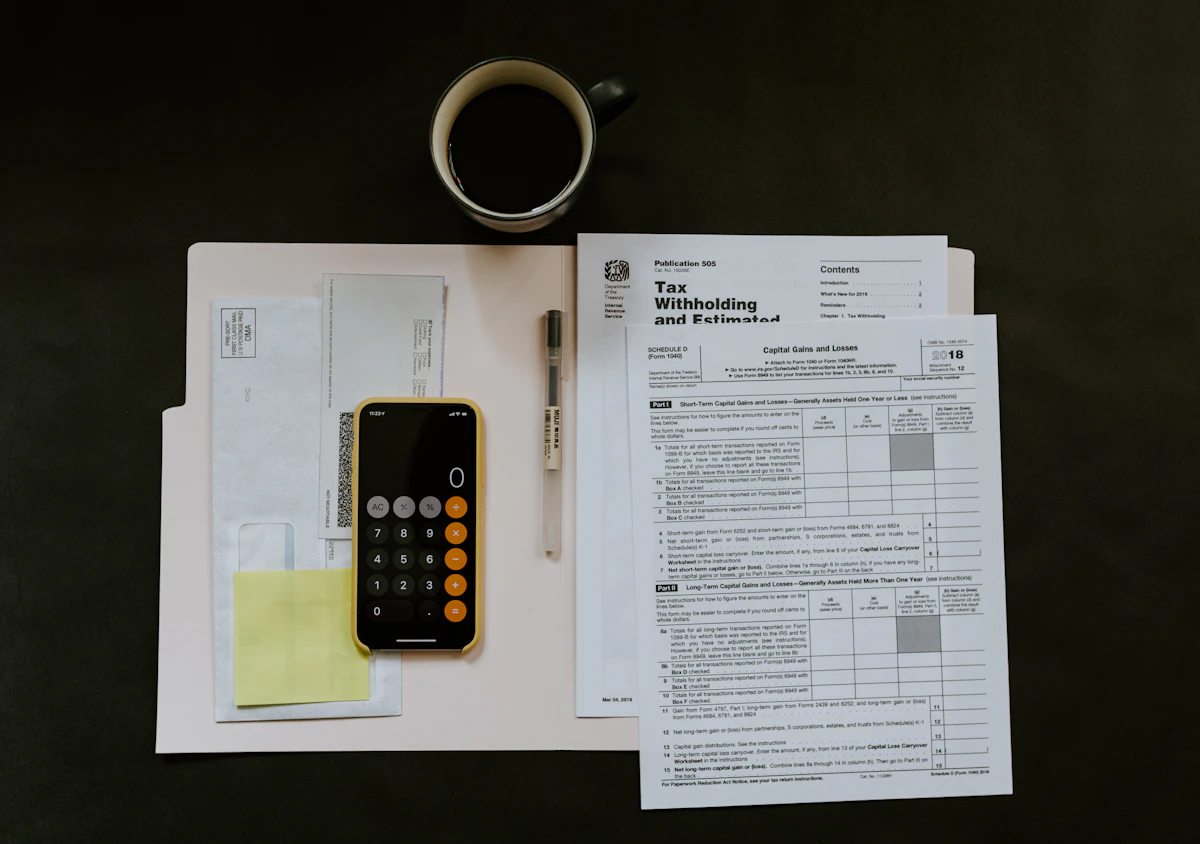
These real photographs illustrate planning and work. They are not earnings evidence, marketplace screenshots or student results.



Beginner Examples
These fictional examples illustrate planning choices. They are not testimonials or verified earnings outcomes.
Example 1: Aisha Plans Canva Posts
Aisha starts with a small Canva social media package. Her first goal is not full-time income. It is to complete one real project, get feedback, and improve her sample quality.
Example 2: Brian Plans Blog Writing
Brian writes three samples, then offers short blog posts. His first few projects teach him about briefs, revisions, and time management.
Example 3: Ruth Plans Admin Support
Ruth starts with research and spreadsheet cleanup. She tracks her time carefully so she can understand whether her pricing is fair.
Example 4: Daniel Plans WordPress Formatting
Daniel offers WordPress blog upload and formatting. After a few one-time projects, he looks for bloggers who need monthly publishing support.
Related Lessons and Official Resources
Use these clickable links to continue learning and understand beginner freelance earnings realistically.
Related MoneyOnliners Lessons
Official External Resources
Weekly Challenge
Create Your First Income Expectation Plan
Choose one service and plan a small test. Define a sample, the client type, scope, estimated effort and costs, and a review date. You may set a personal amount to work toward, but label it a goal rather than a forecast. Track actions and results even if no payment arrives.
Reflection: What Did You Learn Today?
- What income expectation did you have before this lesson?
- What service do you believe can help you earn your first small freelance payment?
- What proof must you create before expecting clients to trust you?
- What actions and evidence will you review before changing your offer or income expectations?
- Next lesson to cover: Setting Realistic Freelance Goals.
Key Takeaways
- Beginner freelance income varies widely and is not guaranteed.
- Your first goal is to prove that a real client will pay for your real service.
- Skill, proof, service clarity, pricing, and consistency affect earnings.
- Repeat work may help planning, but projects can end and payments may be delayed.
- The next step is setting realistic freelance goals in Lesson 8.
Lesson 7 Action Workbook
Complete these exercises here or in your notebook. Answers are not submitted or saved automatically. Print or save a PDF before leaving.
MoneyOnliners Freelancing Academy
Module 2: Preparing for Freelance Success · Lesson 7 of 40
How Much Can Beginners Earn as Freelancers?
Your name and date
Write your name and today’s date.
1. Expectations and evidence
What did you expect to earn? Where did that expectation come from? Separate a personal goal from a supported forecast.
2. Your service test
Describe one deliverable, client type and honest sample. What evidence of client need will you investigate?
3. Scope and price
Choose a pricing model. Draft scope, price and currency, client inputs, revision limits, timing and payment arrangements. Label assumptions.
4. Time and costs
Estimate delivery, briefing, research, revisions, admin and finding work. List charges, tools, materials and other relevant costs. Record what remains unknown.
5. Practice calculation
Using invented figures: $100 before deductions − $10 charges − $5 allocated costs = $85 before taxes and other overhead. At five hours this is $17/hour; at eight hours it is about $10.63/hour. Explain the difference, then make your own labelled practice example.
6. Your payment tracker
Create rows for project, currency, quote, invoice, due date, payment received, deductions, costs and time. Mark unpaid amounts clearly and avoid deducting charges twice.
7. Actions and review
Choose a sample deadline and a review date. What relevant approaches, responses, feedback and completed work will you record? What will you do if no payment arrives?
8. Prepare for Lesson 8
What goal depends on your actions? Which results depend on clients? What evidence would justify continuing or changing your service?
Readiness checklist
□ I separated goals from forecasts. □ I defined a service test. □ I estimated costs and all working time. □ I checked the practice arithmetic. □ I separated invoices from payments. □ I planned a review. □ I saved my answers before leaving. □ I am ready for Lesson 8.
Continue Learning
Frequently Asked Questions
Beginner answers about how much freelancers can earn.
How much can beginner freelancers earn?
It varies widely. Some earn nothing while learning, some earn small project income, and others grow toward consistent monthly income over time.
Can beginners earn quickly?
Some can earn small amounts quickly with a clear service and proof, but fast income is not guaranteed.
What should my first income goal be?
Start with a clear service, an honest sample and a small test. Any amount you choose is a personal goal, not an expected or guaranteed payment.
Which freelance skill earns the most?
High earnings depend on skill, demand, client type, pricing, proof, and quality—not just the skill name.
Is freelance income stable?
Payments can vary and be delayed. Repeat work may help planning but can end; a retainer is not a guarantee of permanent income.
Should beginners charge low prices?
Estimate scope, time and costs before quoting. A low price is not a requirement for beginners and may be unsustainable. Agree revision limits and review actual results.
Do platforms affect earnings?
Yes. Fiverr, Upwork, LinkedIn, and direct clients have different competition, payment, and pricing patterns.
Can freelancing become full-time?
Yes, but it usually requires consistent skill growth, client acquisition, delivery systems, and financial planning.
Should I track income?
Yes. Separate quotes, unpaid invoices, collected payments, deductions, costs and total working time. Save records and avoid counting a deduction twice.
What should I learn next?
Continue to Lesson 8: Setting Realistic Freelance Goals.