Start with our step-by-step online income roadmap. Join Now →


🔍 How to Do Keyword Research (With Long-Tail Examples)
Keyword research is the foundation of SEO. It helps you understand what people are searching for on Google so you can create content that ranks and brings traffic.
In this guide, you’ll learn how to find powerful keywords (especially long-tail keywords) step-by-step—with real examples and case studies.
📘 What is Keyword Research?



4
Keyword research is the process of finding:
Words people search on Google
Questions your audience is asking
Topics with traffic potential
👉 Goal: Create content people are already searching for
🚀 Why Long-Tail Keywords Matter

4
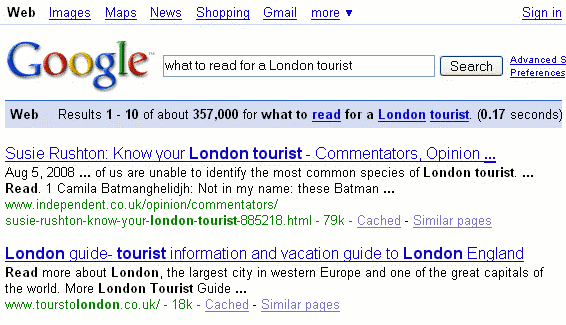
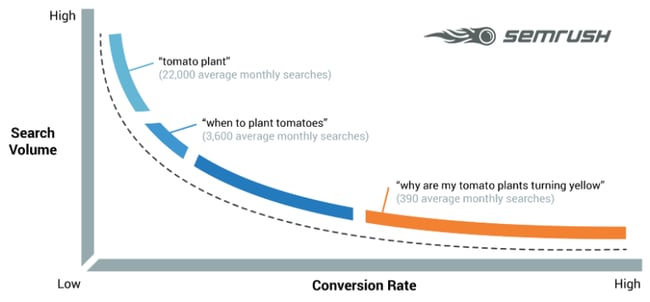
🔑 Short vs Long-Tail Keywords:
| Type | Example | Competition | Ranking Difficulty |
|---|---|---|---|
| Short | “make money” | High | Very Hard |
| Long-tail | “how to make money online as a beginner in Uganda” | Low | Easy |
👉 Long-tail keywords:
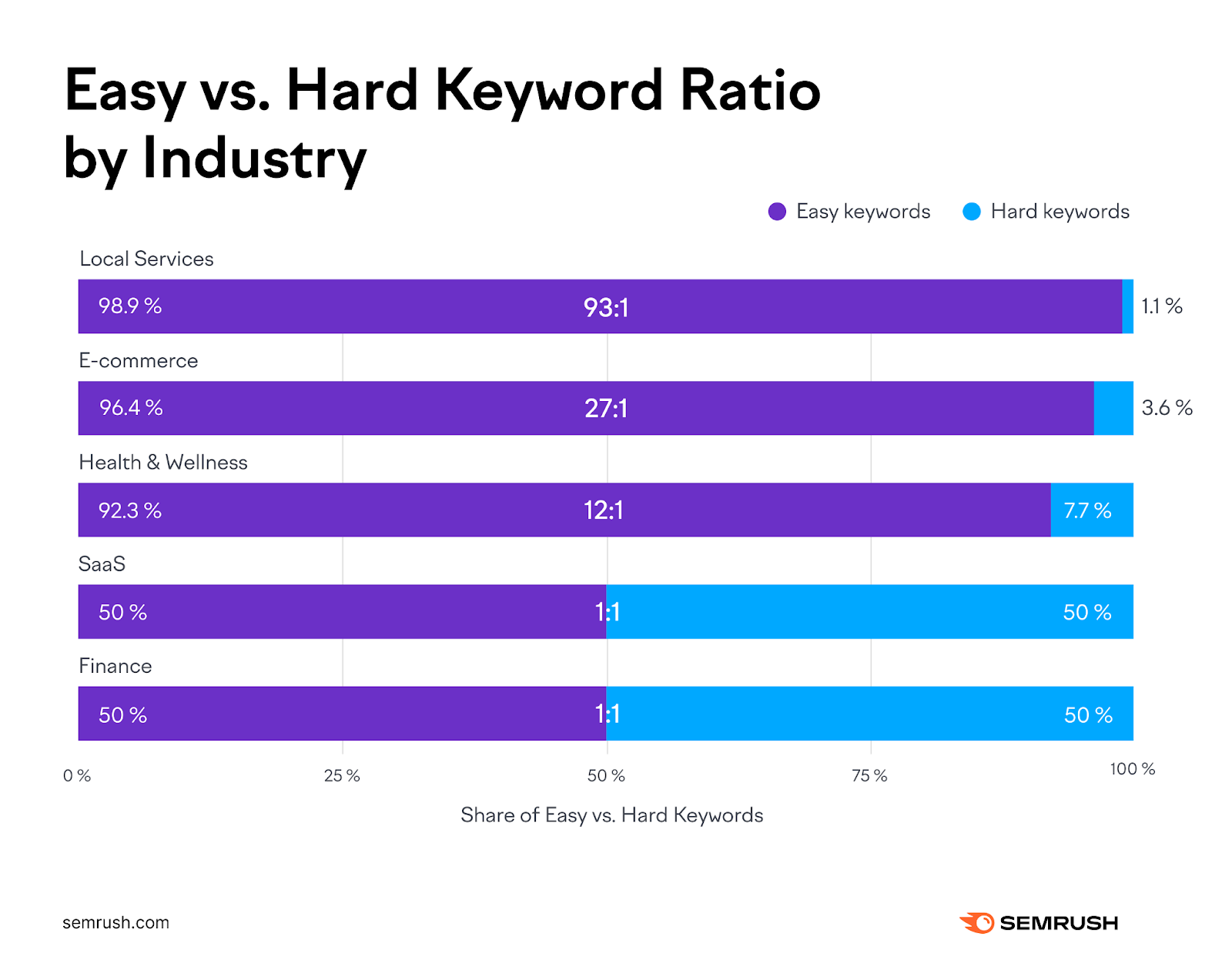
Are easier to rank
Bring targeted traffic
Convert better
🧠 Step-by-Step Keyword Research Process
🔎 Step 1: Start With a Broad Topic



4
Choose a niche topic like:
Make money online
Freelancing
YouTube income
Affiliate marketing
👉 Example:
“Make money online”
🔍 Step 2: Use Google Suggestions

4
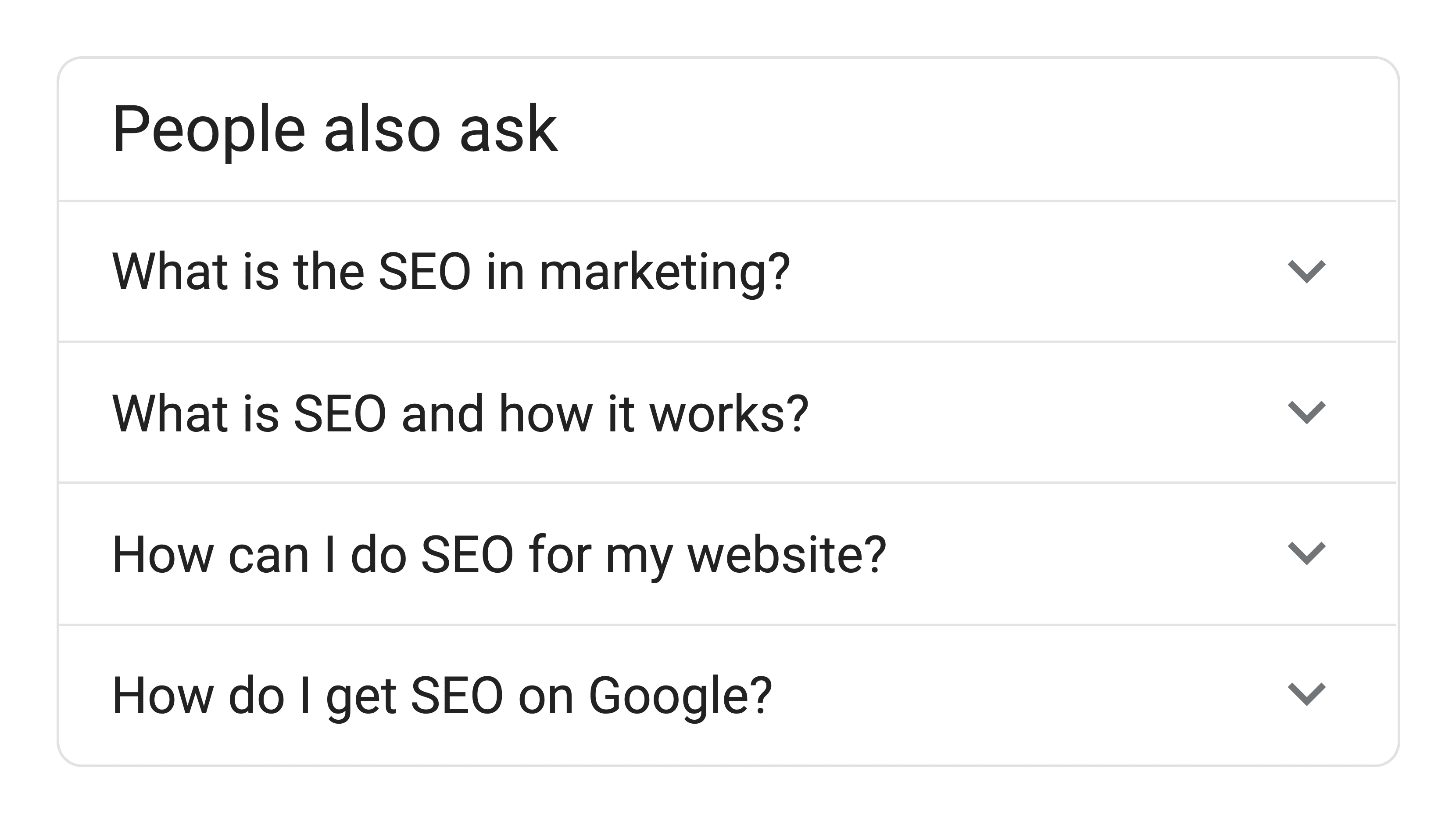
Type your topic into Google and look at:
Autocomplete suggestions
“People also ask”
Related searches
👉 Example results:
“make money online for beginners”
“how to earn money online in Uganda”
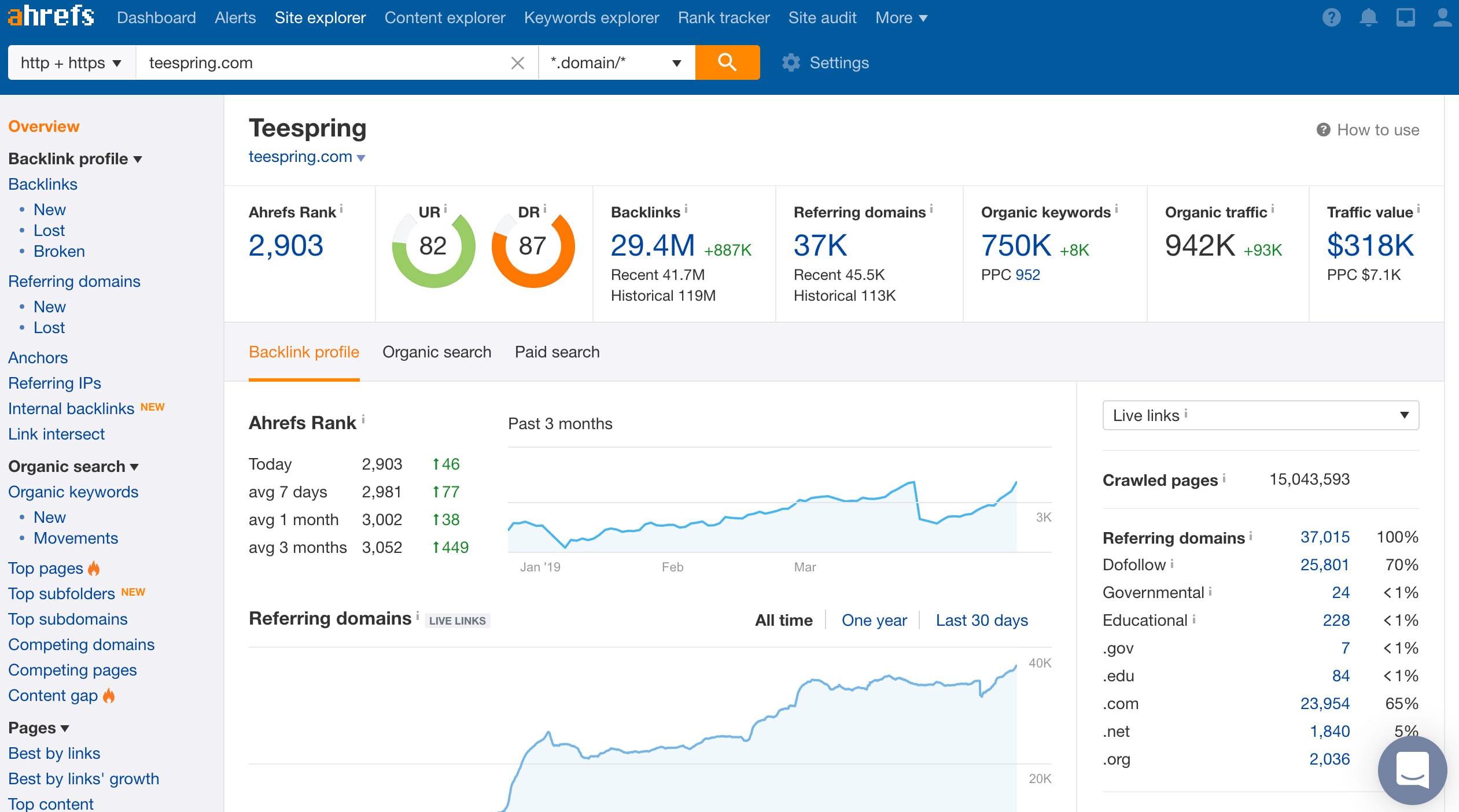
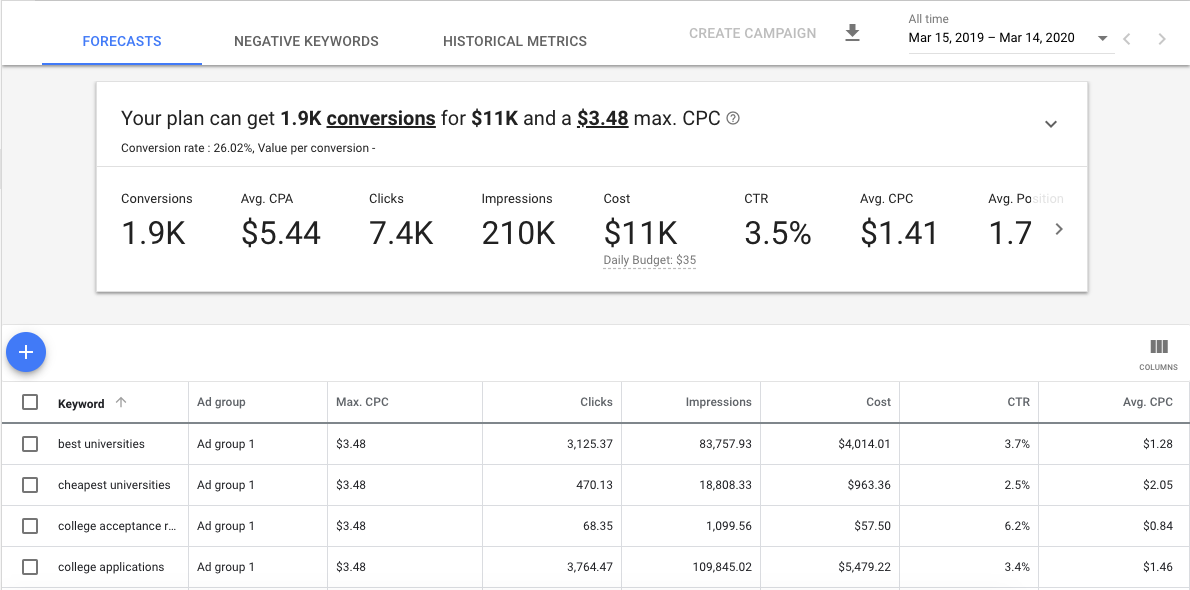
🛠️ Step 3: Use Keyword Tools
4
Free & paid tools:
Ubersuggest
Google Keyword Planner
Ahrefs / SEMrush
📊 Look for:
Search volume
Keyword difficulty
Competition
👉 Focus on low competition + decent traffic
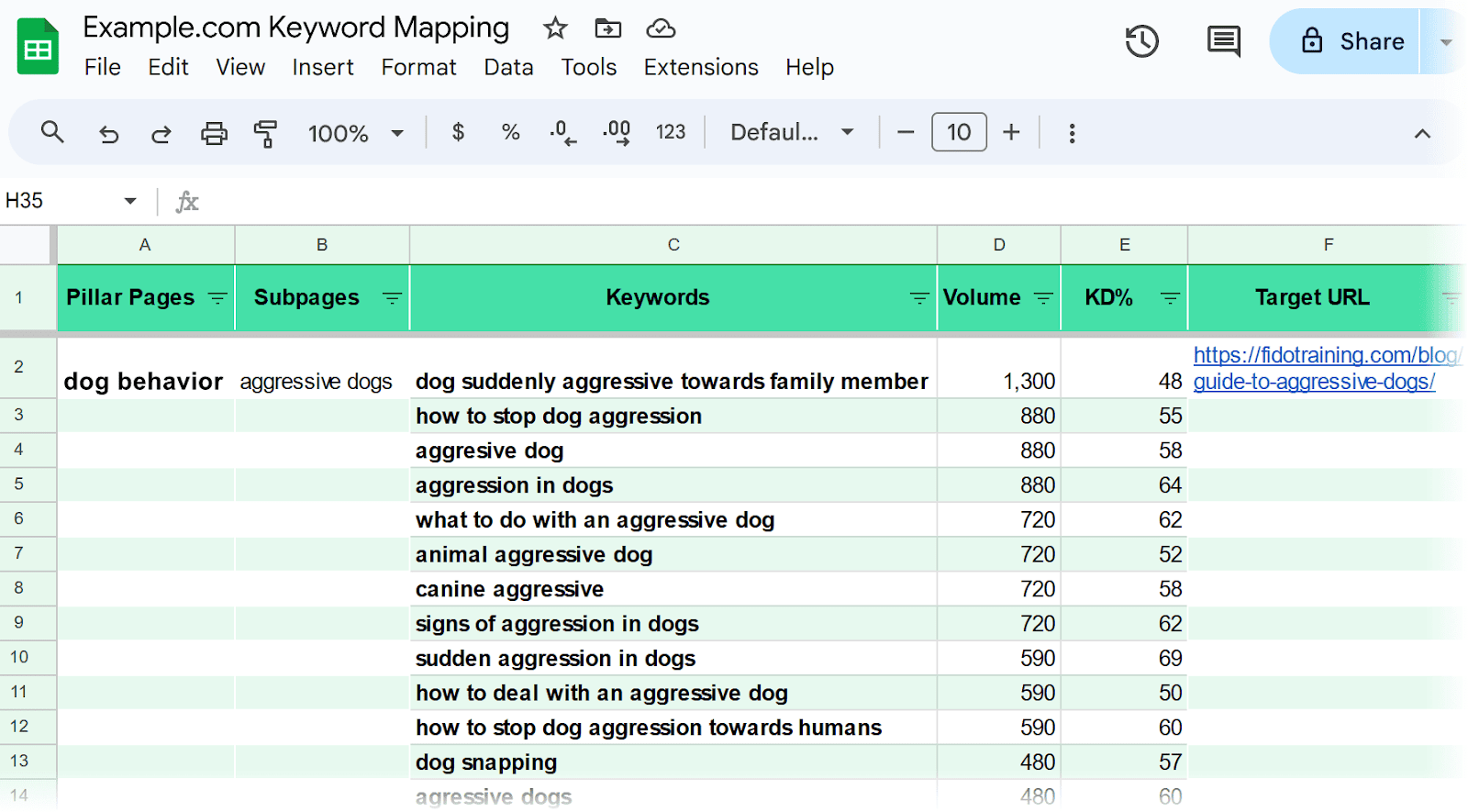
✍️ Step 4: Find Long-Tail Keywords

4
Turn your topic into specific phrases:
💡 Examples:
“how to make money online as a student”
“best freelancing jobs for beginners 2026”
“how to start affiliate marketing with no money”
👉 These are easier to rank
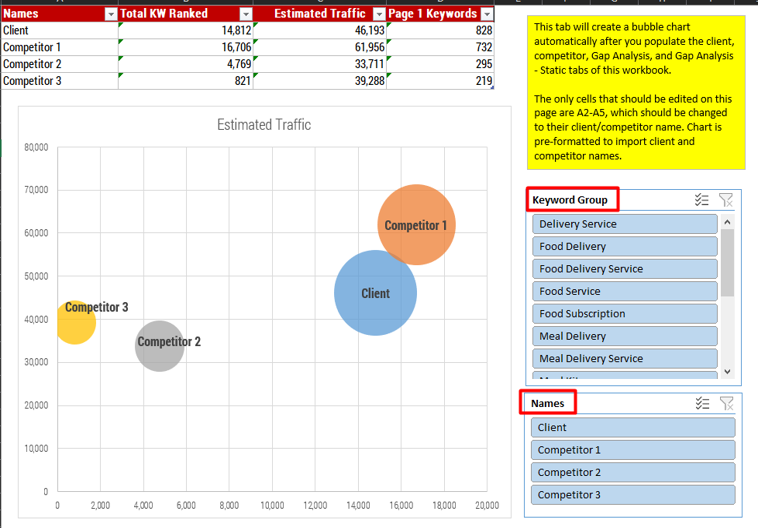
🧩 Step 5: Analyze Competitors


4
Search your keyword on Google:
Check top-ranking articles
Look at their titles
Analyze content length
👉 Your goal: Create something better
📈 Step 6: Use Keywords in Content

4
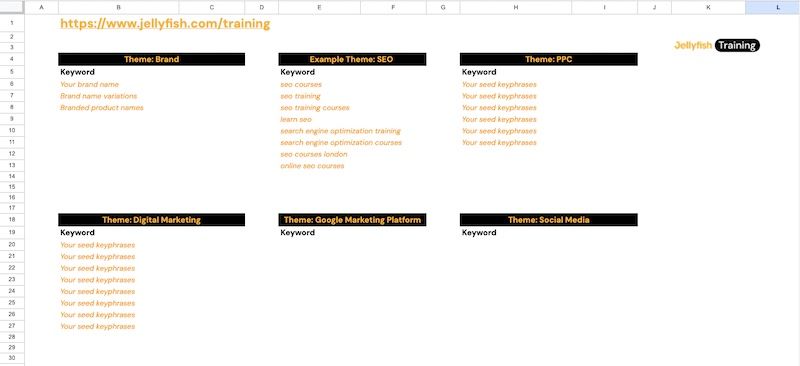
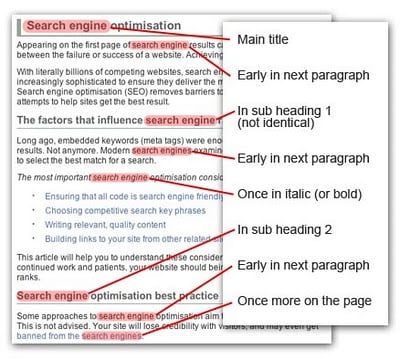
Place keywords in:
Title
First paragraph
Headings
URL
👉 Don’t overuse (avoid keyword stuffing)
📊 Real Case Studies
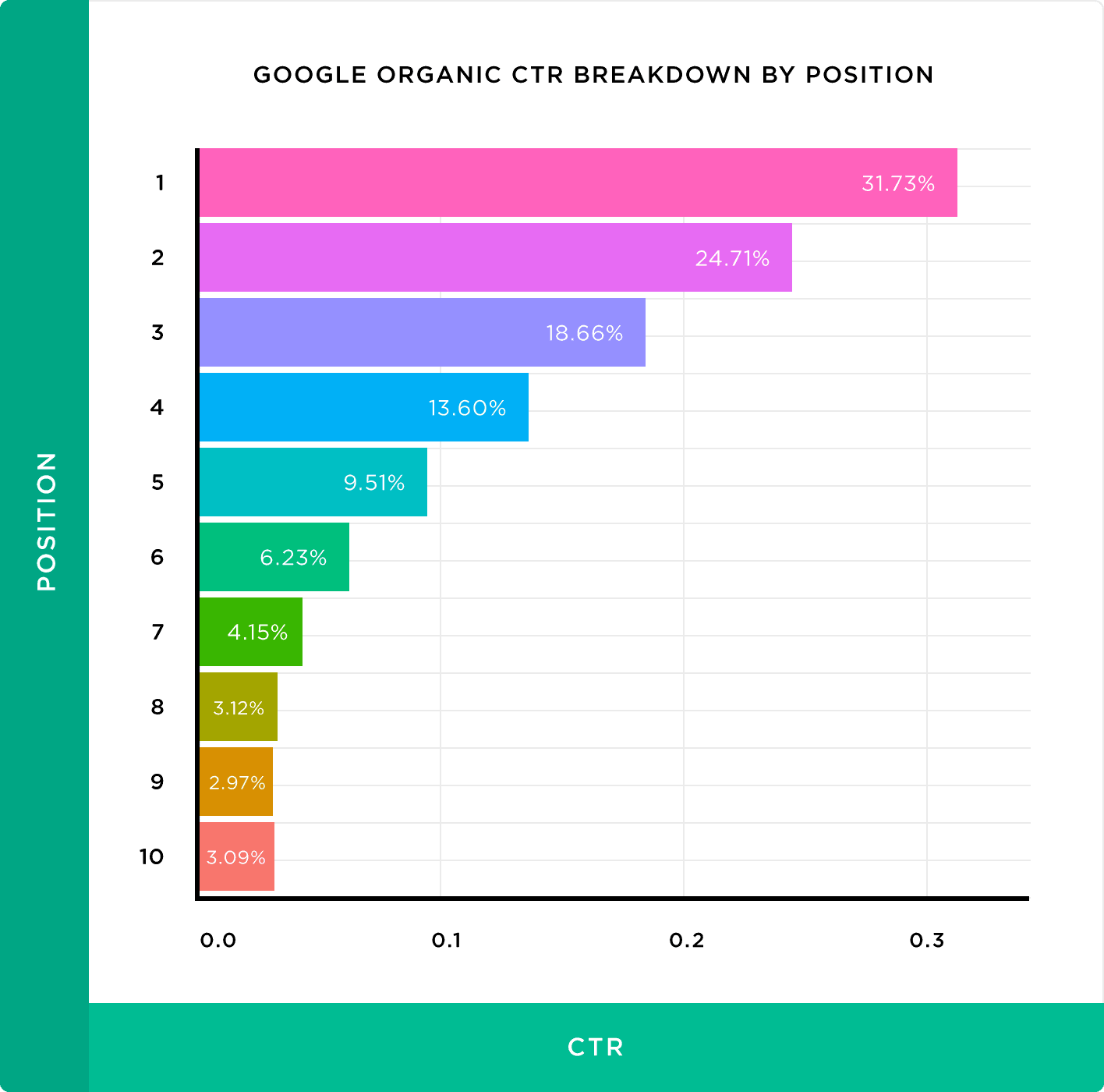
📈 Case Study 1: Long-Tail Keyword → Page 1 Ranking
4
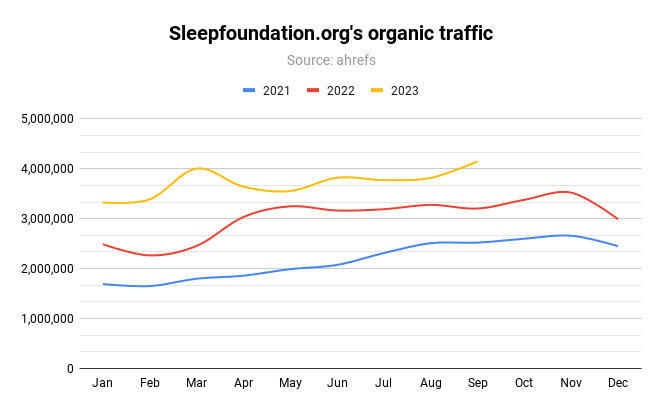
Keyword: “how to make money online in Uganda”
Action:
Created detailed blog post
Used keyword in title + headings
Result:
Ranked on Google page 1
Traffic increased significantly
🎯 Case Study 2: Low Competition Keywords → Fast Growth


4
Strategy:
Targeted low competition keywords
Published 10 optimized posts
Result:
Fast ranking within weeks
Consistent traffic growth
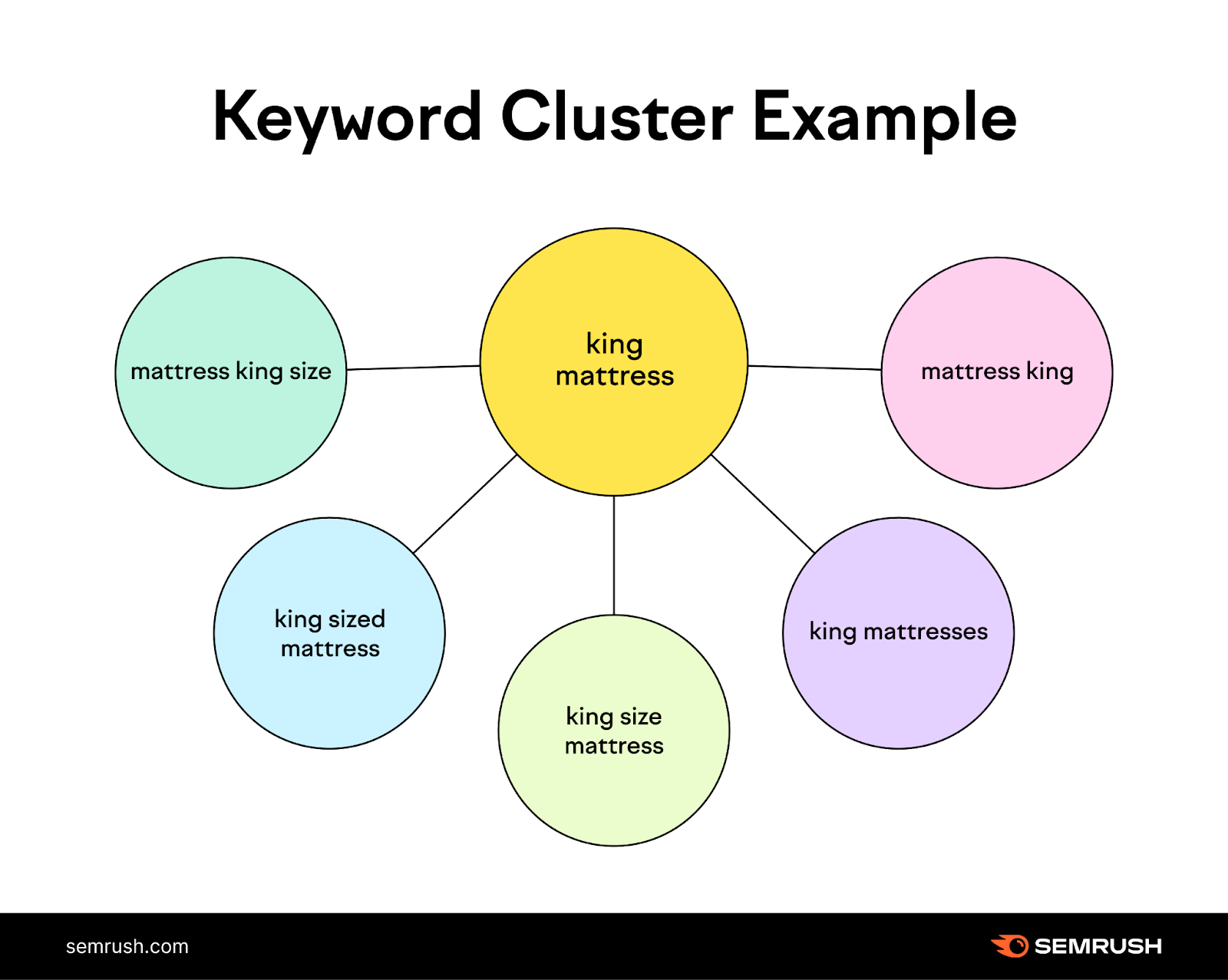
📝 Case Study 3: Keyword Clustering → Authority Boost

4
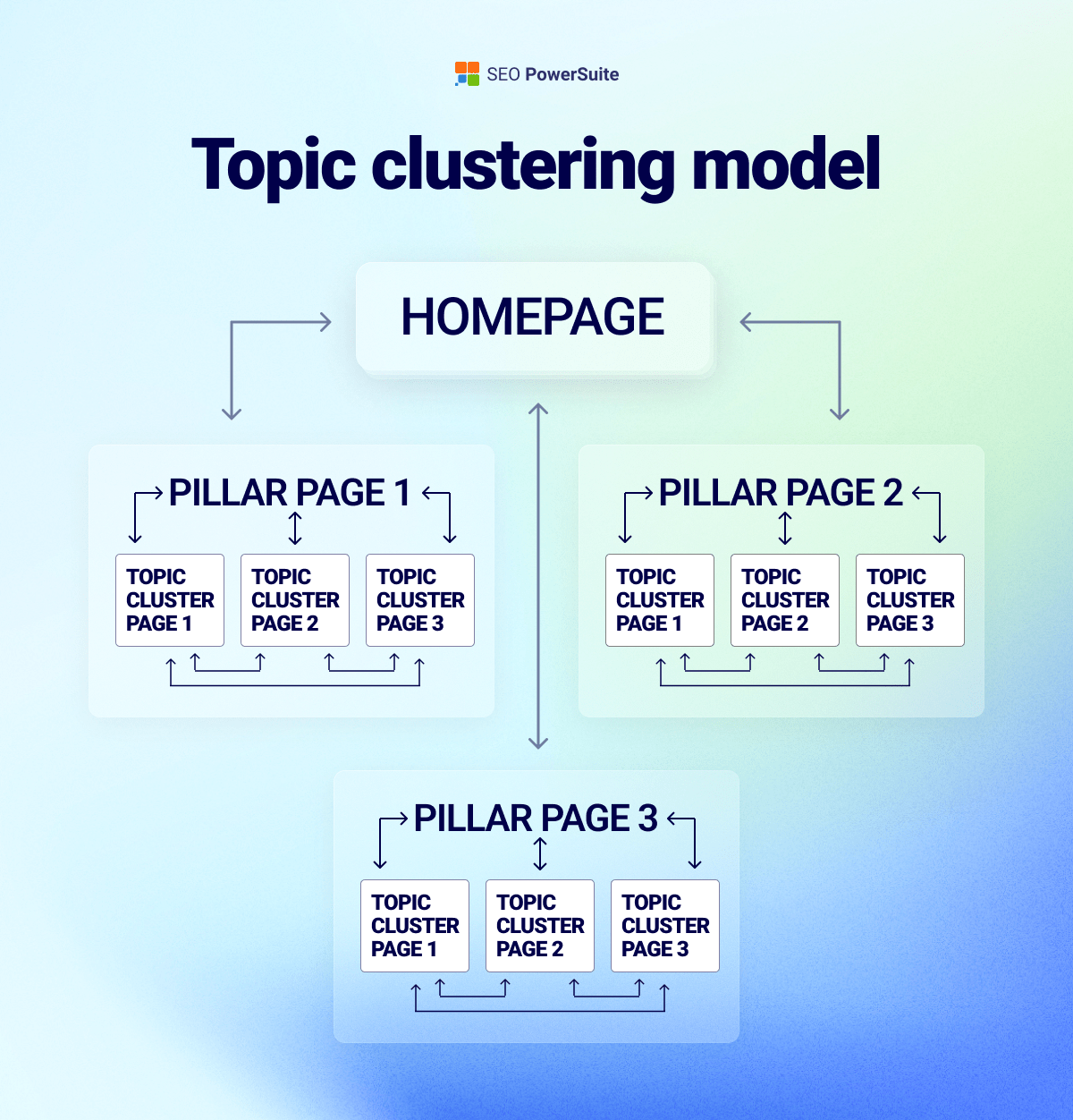
Strategy:
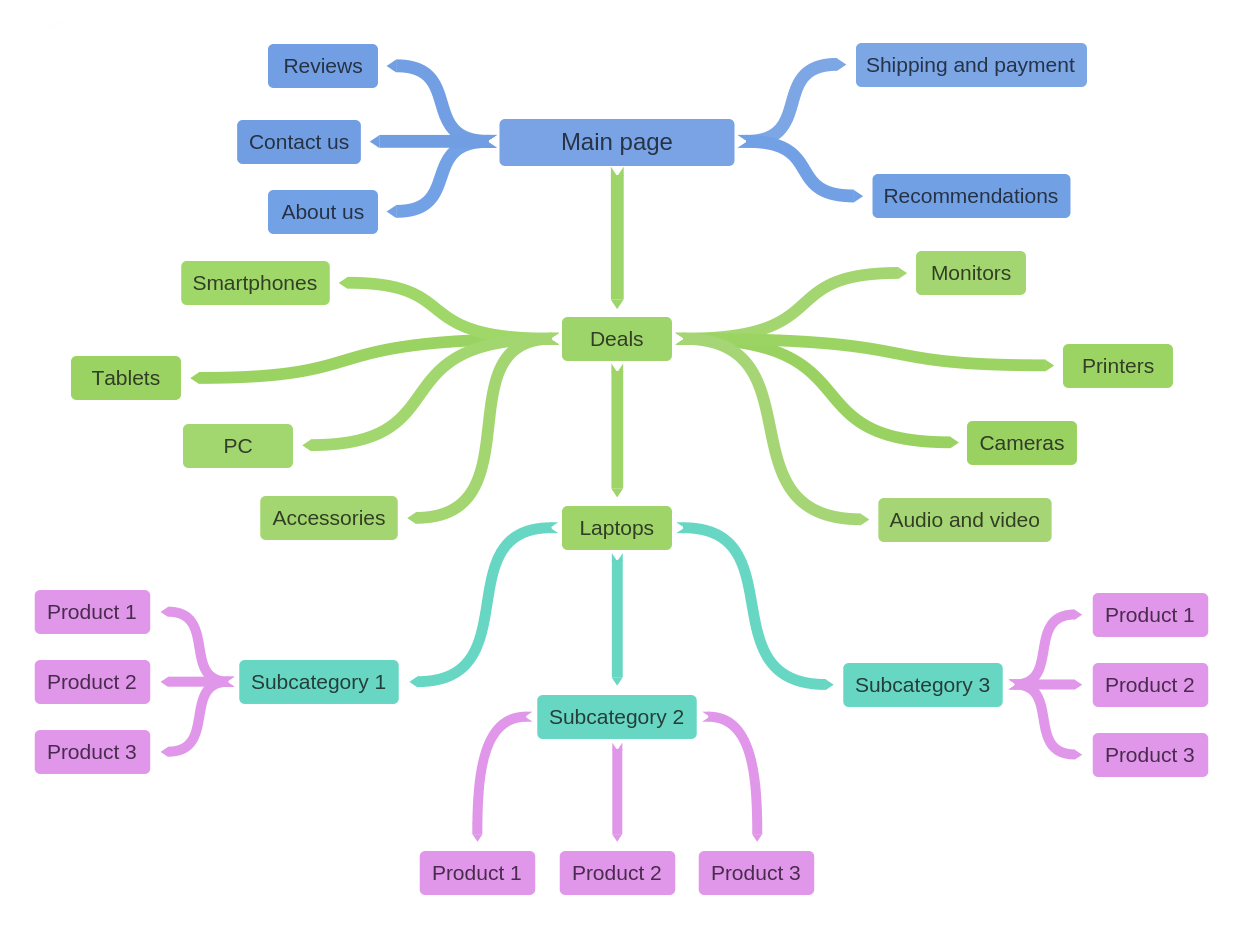
Created multiple articles around one topic
Linked them together
Result:
Increased authority
Higher rankings across all posts
⚠️ Common Keyword Research Mistakes
❌ Targeting high competition keywords
❌ Ignoring long-tail keywords
❌ Not checking search intent
❌ Keyword stuffing
👉 Smart targeting = faster results
🎯 Simple Keyword Research Checklist
✔ Choose a clear topic
✔ Use Google suggestions
✔ Find long-tail keywords
✔ Analyze competition
✔ Target low difficulty keywords
✔ Use keywords naturally
🔥 Final Thought
Keyword research is the secret behind every successful website.
👉 If you target the right keywords, traffic will follow.
Start small. Focus on long-tail keywords. Build consistency.






[…] 🔑 1. Keyword Optimization […]