Start with our step-by-step online income roadmap. Join Now →

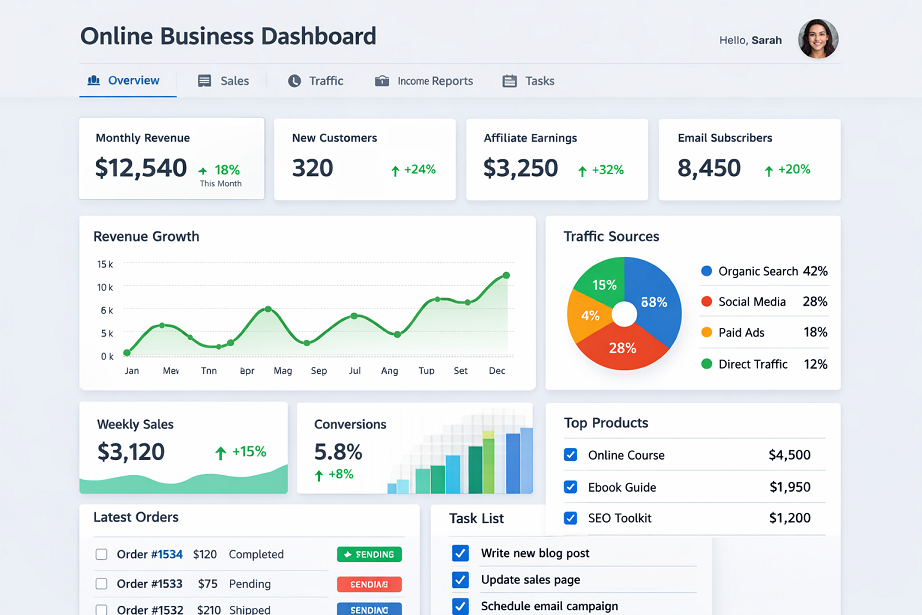

Starting an online business is easier than ever with the Essential Tools for Online Business.


4
Running a successful online business requires more than just motivation and ideas. Entrepreneurs need essential tools and practical templates that simplify tasks, improve productivity, and increase sales.
Tools help manage websites, create content, track performance, and communicate with customers. Templates, on the other hand, provide ready-to-use frameworks that guide users through important processes such as writing blog posts, planning marketing campaigns, or launching digital products.
For a website like MoneyOnliners.com, combining useful tools and high-converting templates can help build authority, attract visitors, and generate revenue through affiliate recommendations and digital product sales.
Why Tools and Templates Matter for Online Businesses


4
Using the right tools and templates helps online entrepreneurs work more efficiently and achieve better results.
Key benefits include:
Increased productivity
Automation tools save time by handling repetitive tasks.
Better marketing performance
Advanced marketing tools help businesses reach the right audience.
Improved organization
Templates keep projects structured and easy to manage.
Higher conversion rates
Well-designed templates guide visitors toward taking action.
These resources help transform a simple online project into a structured and profitable digital business.
Essential Tools Every Online Business Should Use
1. Website and Blogging Tools


4
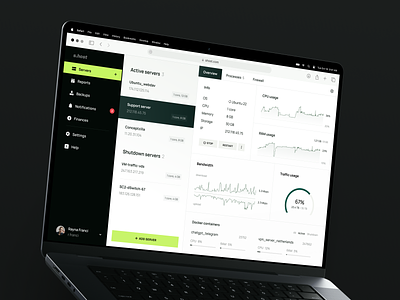
A website is often the central hub of an online business. Blogging platforms and website builders make it easier to publish content and manage online operations.
These tools help with:
-
Creating and managing blog posts
-
Designing website pages
-
Organizing website structure
-
Managing website performance
A well-built website becomes the foundation for generating traffic, leads, and sales.
2. SEO and Keyword Research Tools


4
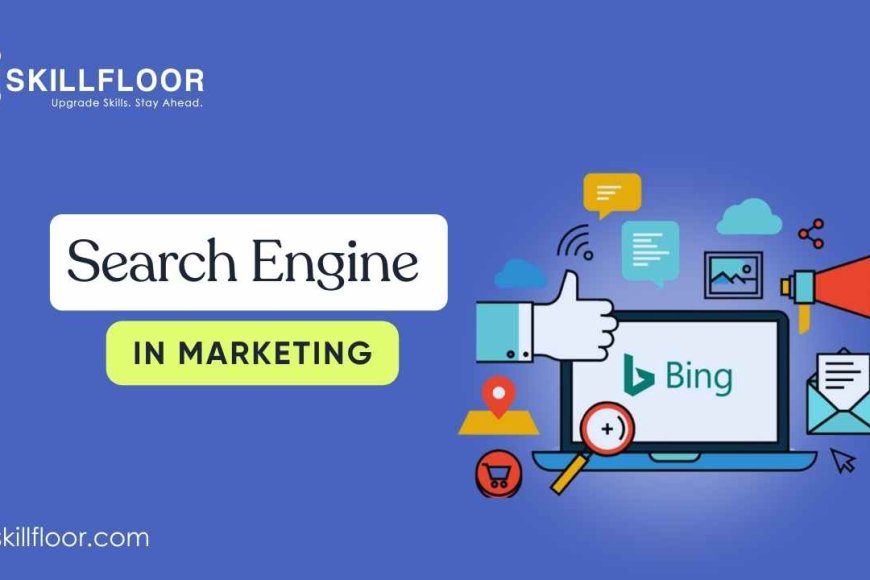
Search engine optimization (SEO) is essential for attracting visitors through search engines.
SEO tools help website owners:
-
Discover keywords people search for
-
Optimize blog posts for search engines
-
Monitor website rankings
-
Analyze competitor strategies
Effective SEO increases organic traffic and brings potential customers to your website.
3. Email Marketing Tools


4
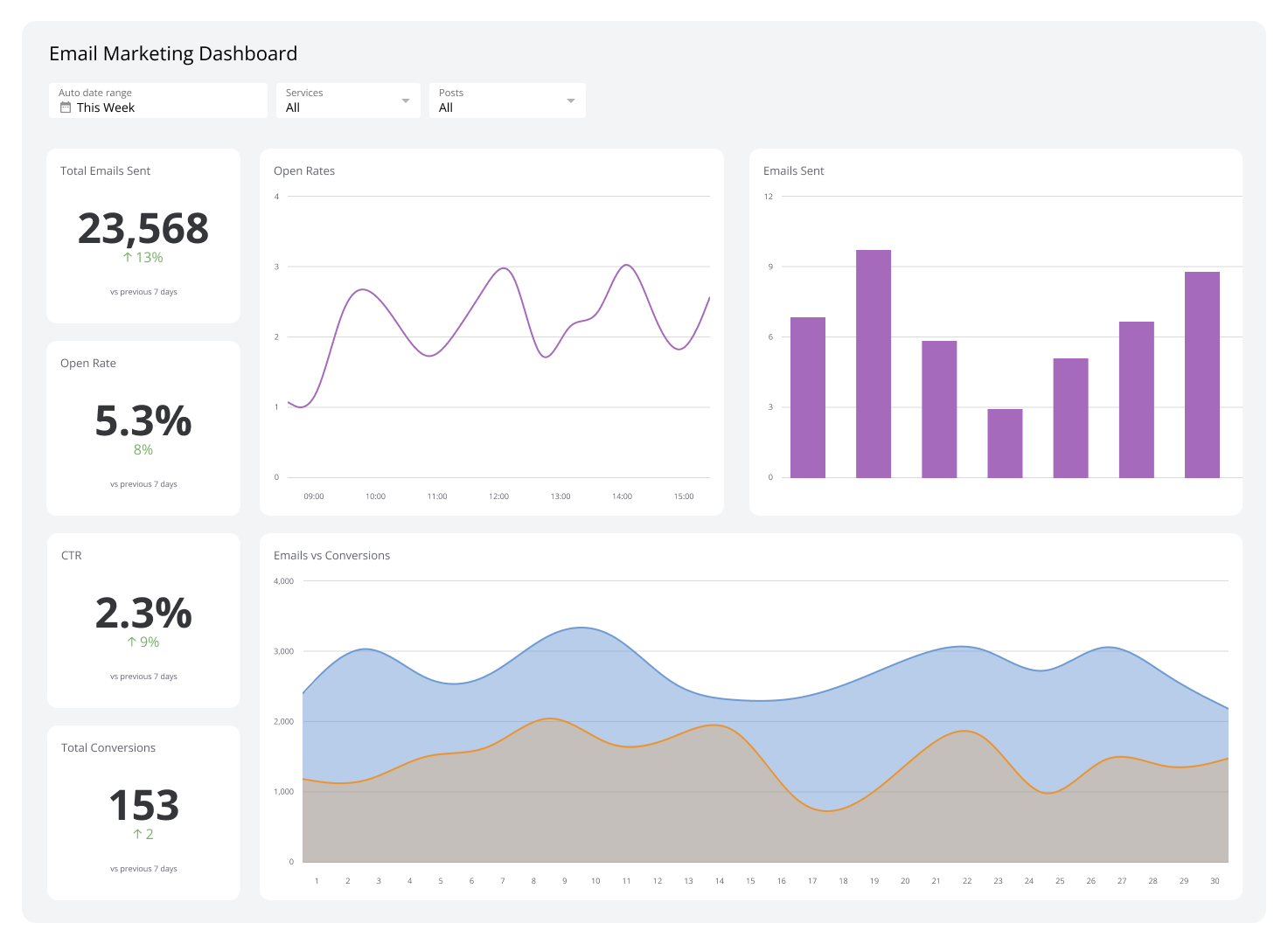
Email marketing remains one of the most effective digital marketing strategies.
Email tools allow businesses to:
-
Collect email subscribers
-
Send newsletters and promotions
-
Automate marketing campaigns
-
Build long-term relationships with customers
An email list is often considered one of the most valuable assets of an online business.
4. Content Creation and Design Tools



4
High-quality content attracts visitors and builds trust with an audience.
Content creation tools help with:
-
Designing images and graphics
-
Editing videos
-
Creating blog visuals
-
Producing marketing materials
Professional-looking content increases engagement and credibility.
5. Analytics and Performance Tracking Tools

4
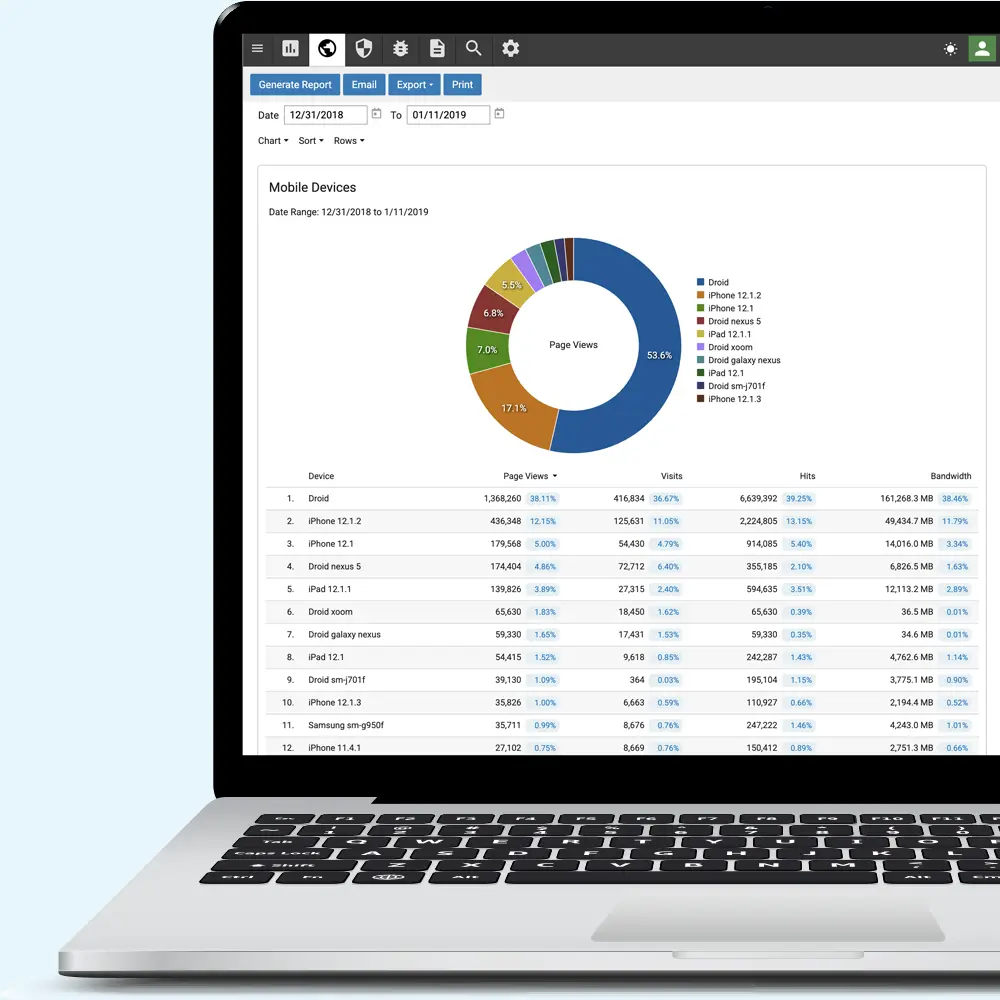
Analytics tools allow entrepreneurs to measure their progress and improve strategies.
These tools help track:
-
Website traffic
-
Audience behavior
-
Conversion rates
-
Sales performance
By understanding these metrics, business owners can identify which strategies produce the best results.
High-Converting Templates You Should Offer on Your Website
1. Blog Post SEO Template


4
This template helps bloggers create well-structured articles optimized for search engines.
Sections may include:
-
Focus keyword placement
-
Article outline structure
-
Internal linking checklist
-
Image optimization guide
This template improves content quality and increases the chances of ranking on search engines.
2. Affiliate Marketing Campaign Template



4
Affiliate marketing templates guide beginners through product promotion strategies.
Key sections may include:
-
Product research checklist
-
Review article framework
-
Call-to-action examples
-
Promotion strategy plan
These templates help increase affiliate conversions.
3. Content Calendar Template

4
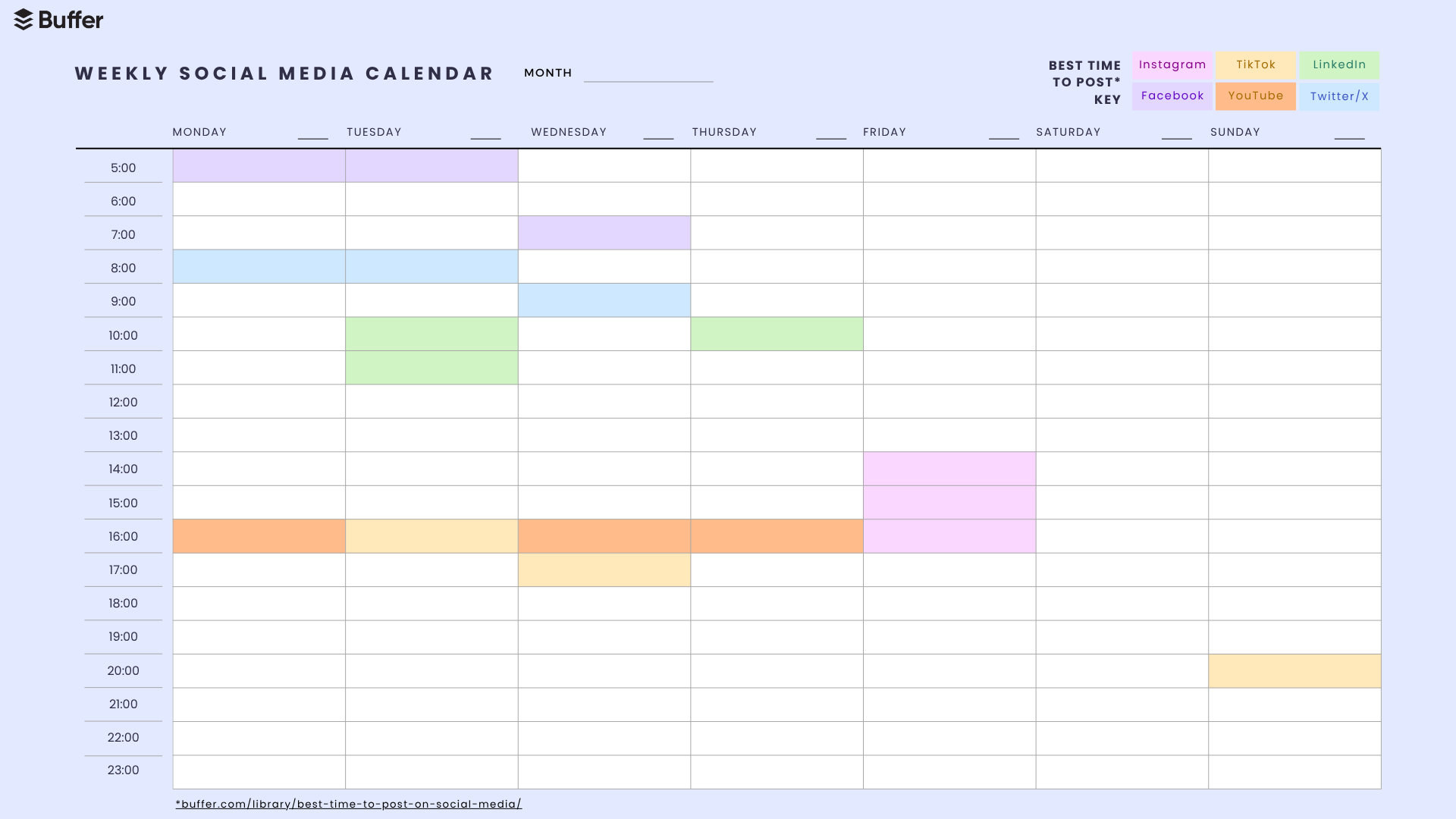
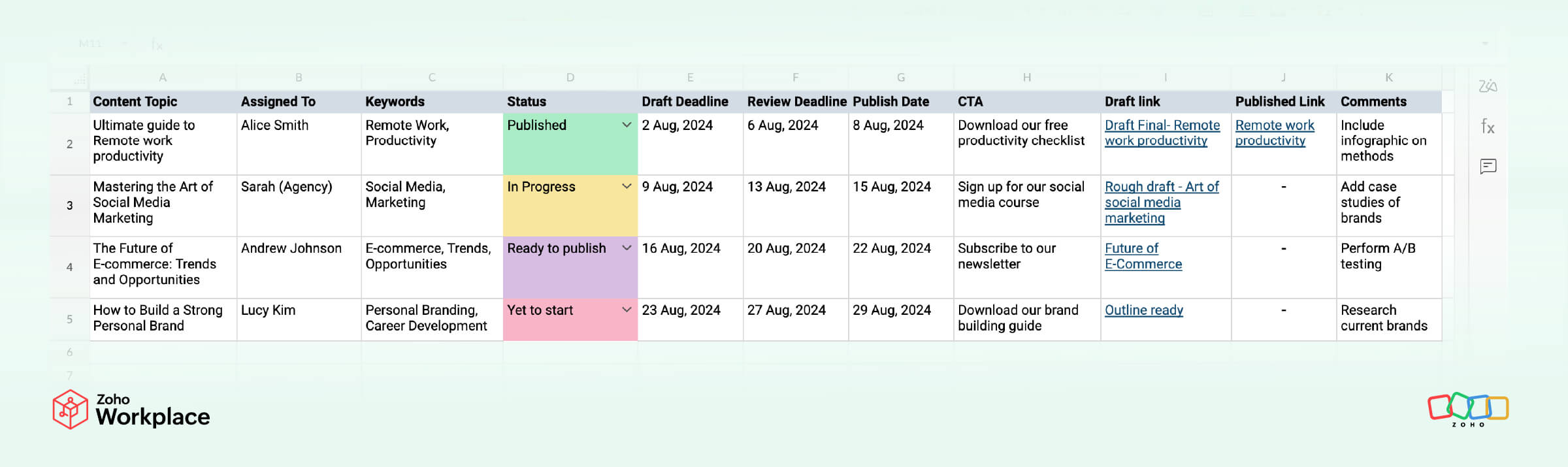
Consistency is critical for growing an audience.
A content calendar template helps creators plan:
-
Blog posts
-
Social media content
-
Video publishing schedules
-
Marketing campaigns
This template improves productivity and content consistency.
4. Online Business Startup Checklist

4
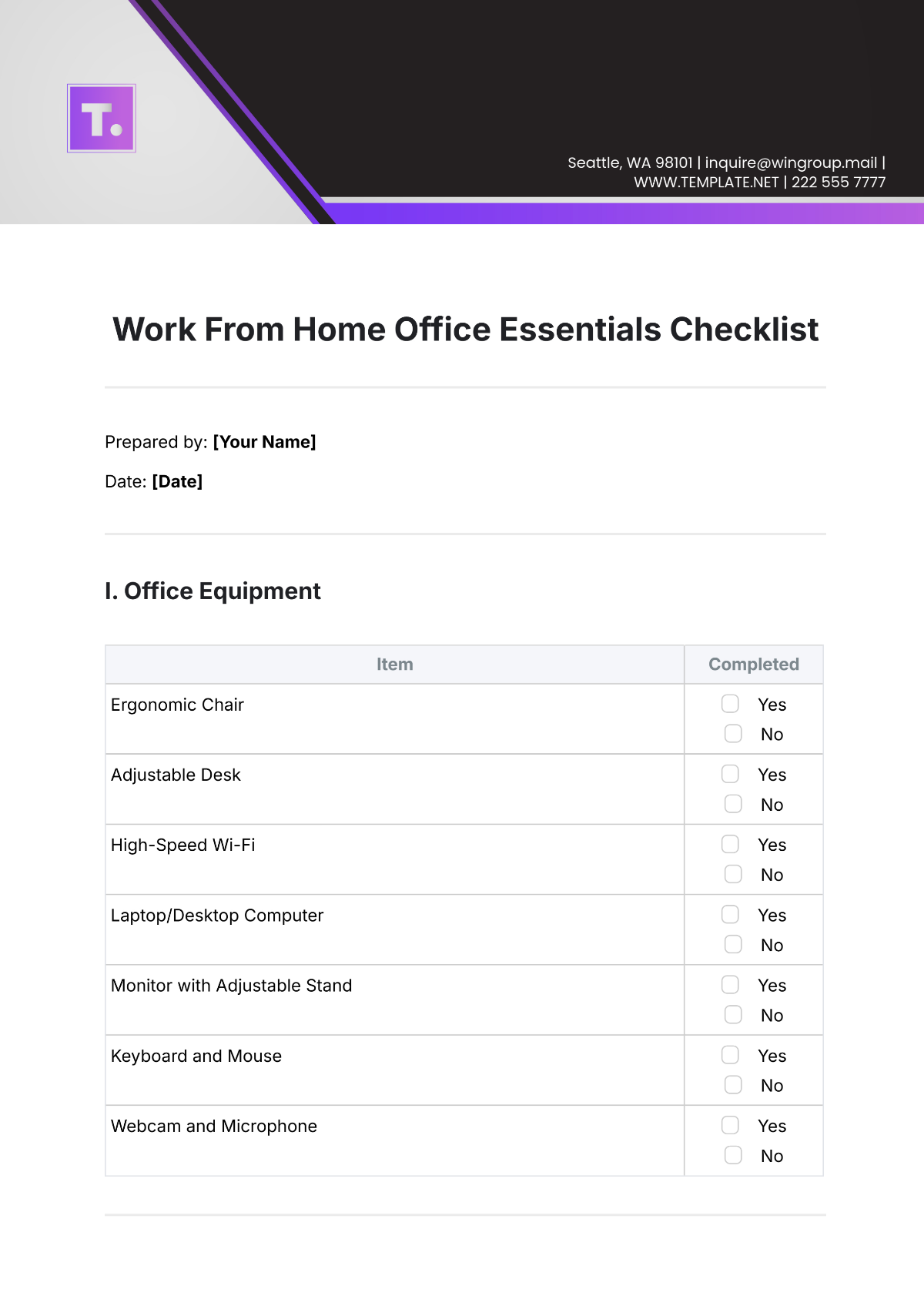
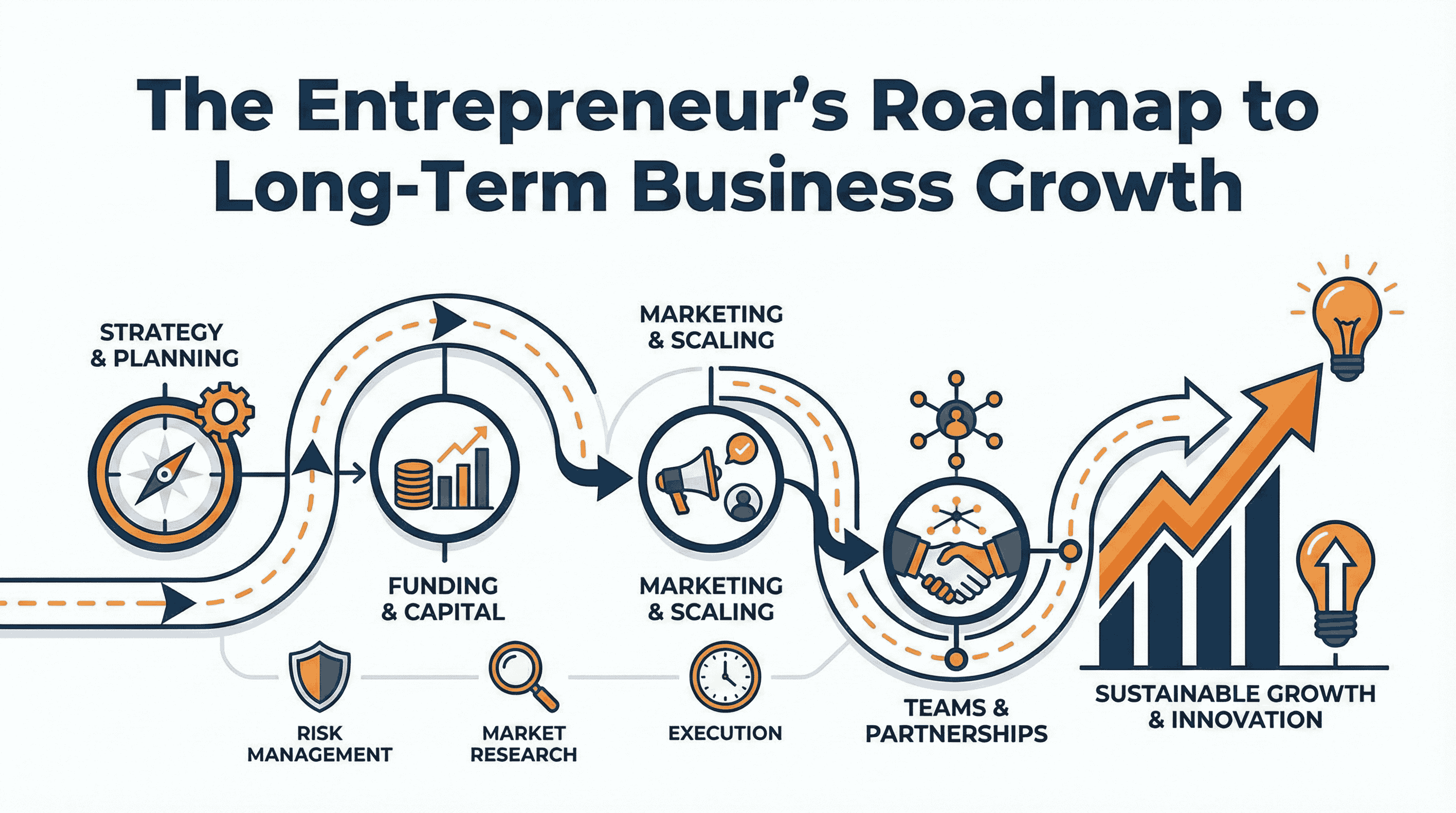
This template helps beginners understand the steps required to launch an online business.
Sections may include:
-
Niche selection
-
Website setup
-
Content strategy
-
Monetization planning
It serves as a roadmap for beginners entering the online business world.
How Tools and Templates Work Together
Tools and templates complement each other in building an efficient online business.
Tools provide the technology and automation, while templates provide the structure and strategy.
For example:
-
SEO tools help find keywords, while SEO templates help structure articles.
-
Email marketing tools send campaigns, while email templates guide message writing.
-
Analytics tools track performance, while strategy templates help plan improvements.
Together, they create a complete system for managing and growing an online business.
Final Thoughts
Successful online businesses rely on the right combination of tools, systems, and structured workflows. Essential tools help entrepreneurs manage websites, marketing campaigns, and analytics, while high-converting templates simplify complex tasks and improve productivity.
For websites like MoneyOnliners.com, recommending useful tools and offering helpful templates can significantly increase authority, attract visitors, and generate additional revenue.
By combining technology with practical resources, your website can become a valuable platform for people looking to build profitable online businesses.
🔗 Recommended Guides:
→ How to Make Your First $100 Online
→ Beginner Guide to Freelancing
→ Affiliate Marketing for Beginners